
St Augustine’s College in Augustine Heights Leads Regional Shift Toward Global Learning

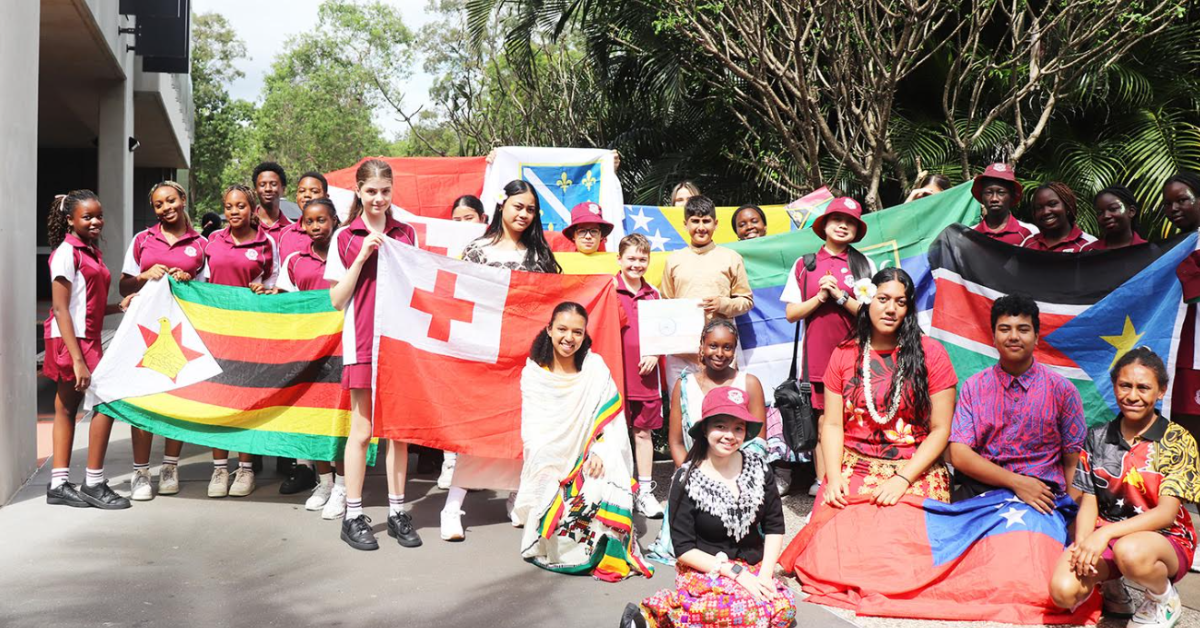
St Augustine’s College in Augustine Heights has officially become the most linguistically diverse campus within the Brisbane Catholic Education system, with students now speaking 56 different languages in their homes.


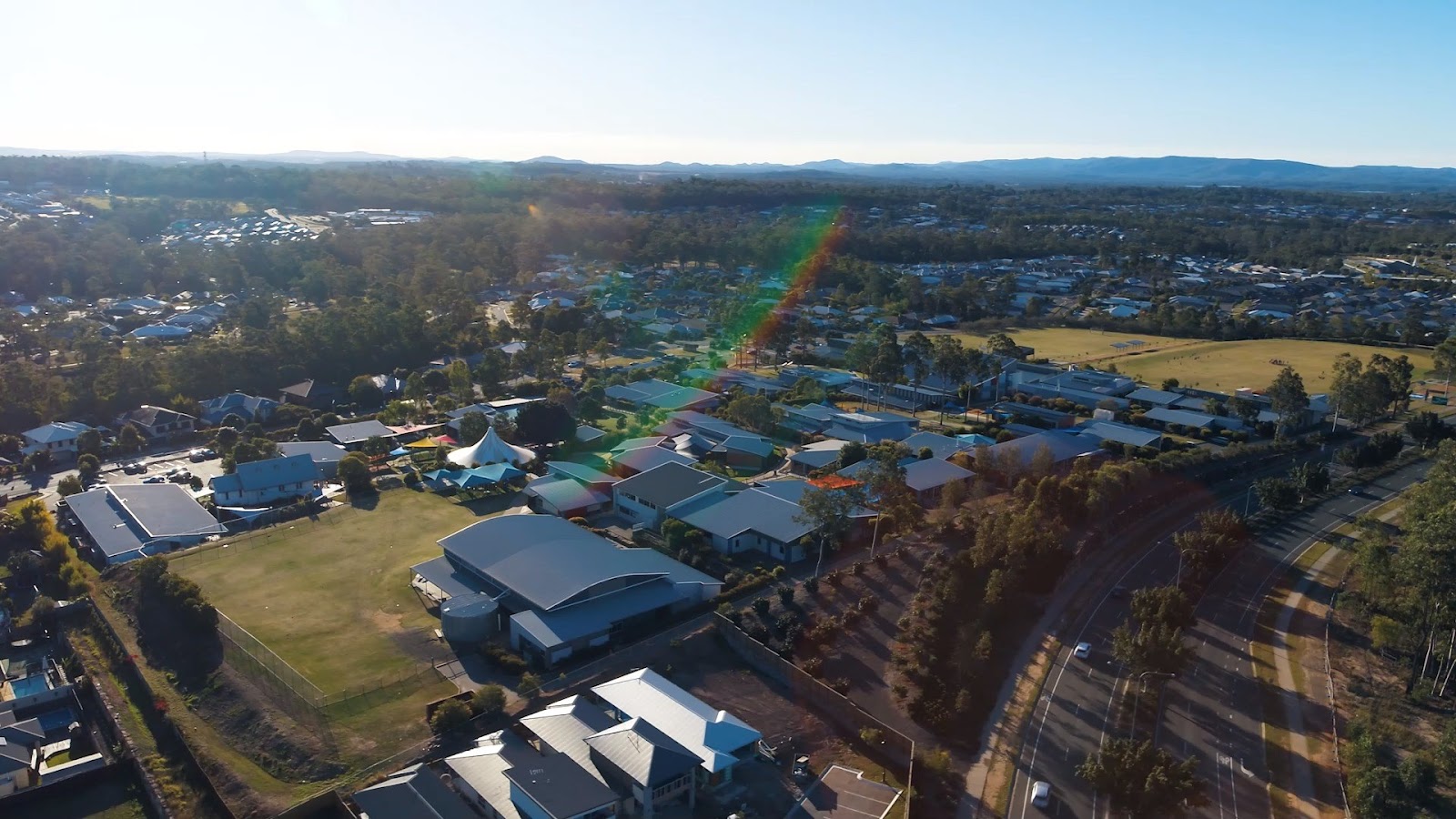
The college achieved this milestone as the broader Brisbane Catholic Education (BCE) network reached a record scale of 80,000 students across 139 countries of birth. This growth has prompted a physical transformation of the Augustine Heights campus, including the recent addition of a sixth stream of secondary classes and the construction of the expanded Giramee Hall. 

These infrastructure projects are designed to support a student body that includes children born in nations as varied as Albania, Cambodia, Brazil, and Afghanistan. Local families at the college now share a community where Tagalog, Punjabi, Portuguese, and Aboriginal languages are heard alongside English in daily school life.

Academic Success Through Cultural Variety
St Augustine’s College
Photo Credit: Supplied

While St Augustine’s leads in language numbers, other nearby campuses are proving that this variety leads to higher academic results. St Thomas More College in Sunnybank, which ranks as the third most diverse school in the system, was recently named by the Australian Curriculum, Assessment and Reporting Authority as a school making a significant difference. 

Principal Les Conroy noted that the NAPLAN results at his school show that having students from 25 different countries is a primary driver of learning growth. He stated that the different perspectives and rich cultural backgrounds students bring into the classroom actually strengthen the overall educational environment rather than complicating it.

Practical Support for New Arrivals

The commitment to a global community extends beyond the classroom and into the school workforce through the Work and Welcome program. At Clairvaux MacKillop College, this initiative provides real-world employment to refugees and migrants to help them establish careers in Australia. 

One recent participant, a refugee from the Republic of Burundi named Douce, used her time working in the college canteen to build professional hospitality skills. The program operates across 146 schools and multiple offices in South East Queensland, aiming to turn the challenges of migration into long-term career stability for new residents.

Strengthening First Nations Leadership
St Augustine’s College
Photo Credit: Supplied

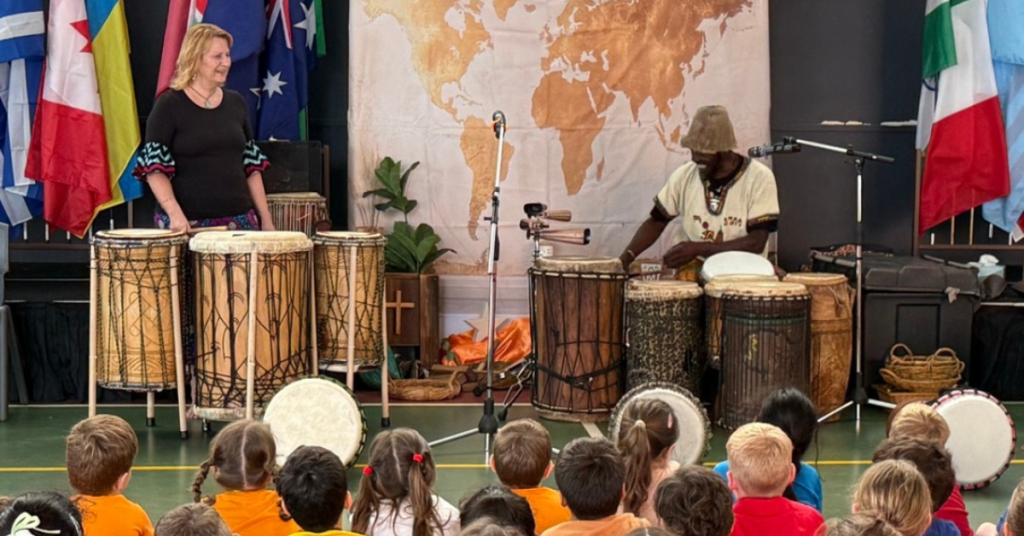
Parallel to these international connections, BCE is increasing its focus on First Nations identity through the Molum Sabe impact domain for 2026-2027. This month, more than 200 Aboriginal and Torres Strait Islander students are gathering for dance workshops across the Sunshine Coast and Fraser Coast. 

These sessions, led by cultural engagement officers like Gracey McGrath, provide a safe space for young people to connect with their heritage through song and storytelling. Senior Manager Mayrah Driese explained that these immersions are a priority for the organisation because they help build leadership skills among Indigenous youth.


Professional Growth for Educators

To ensure school staff can properly support such a varied population, new Cultural Awareness Days have been launched for 2026 at the Ngutana-Lui Cultural Studies Centre. Teachers and administrative staff participate in sessions that explore the BCE Cultural Capability Framework and First Nations spirituality. 

These training days include practical activities like weaving and yarning circles to help staff understand how intergenerational history affects modern learning. By deepening their awareness of First Nations knowledge, educators are better equipped to meet the needs of the diverse student groups found in growing suburbs like Augustine Heights.

Published Date 27-March-2026

St Augustine’s College Student Helps Queensland Team Win Silver at the NYFC

Photo Credit: Michal Jarmalouk/Pixabay

St Augustine’s College is mighty proud of the achievement of its student, Isabela Hoyos, who was part of the Queensland Maroon’s silver win at the 2022 National Youth Football Championships (NYFC) in Coffs Harbour.


The young St Augustine’s College teenager showed strength in the field and an unmatched gift for reading the game well as she represented Queensland at the nationals in September 2022, after a rigorous selection process that saw her chosen for the Under-14s team.

Isabela Hoyos
Photo Credit: St Augustine’s College/Facebook

The NYFC resumed the sports competition after two years of pandemic hiatus with more than 350 of the best female players for the Under 14s and Under 16s. The Maroons may have ultimately lost to the NSW Metro with a final score of 1-0, but Isabela and her teammates made quite an impression for their tremendous work ethic, competitive nature, positive mindset, and love for the game.

Girls Squads ranking for Queensland
Photo Credit: Football Queensland

“Congratulations to Isabela Hoyos for representing Queensland at the U14 girls National Youth Football Championships recently held in Coffs Harbour on the 19th – 23rd of September. The U14 Girls were successful in making it through to the grand final and only narrowly missed out on the gold medal to New South Wales by 1 goal. Well done to Isabela Hoyos for proudly representing the state and bringing home a silver medal,” the school shared.

“The National Youth Championships form an important part of the national team pathway and provide a valuable development opportunity for the players who have been selected from around the state,” FQ Academy Director/QAS Head Coach Adam Pengelly said. 

2022 National Youth Championships for Girls Finals Results

  • Under-14s Final – NSW Metro 1 (Talia Younis) defeated Queensland 0
  • Under-14s Third v Fourth Play-Off – Victoria 1 (Tina Huang) drew Capital Football 1 (Lucy Cameron) Victoria won on penalties
  • Under-16s Final – Queensland Maroon 1 (Grace Kuilamu) defeated Victoria Blue 0
  • Under-16s Third v Fourth Play-Off – NSW Metro 1 (Tea Mucenski) defeated NSW Country 0

Award Winners

  • Under-16s Player of the Tournament – Ischia Brooking (Western Australia)
  • Under-14s Player of the Tournament – Talia Younis (NSW Metro)
  • Under-16s Goalkeeper of the Tournament – Jasmine Black (NSW Metro)
  • Under-14s Goalkeeper of the Tournament – Georgia Ritchie (Capital Football)
  • Under-16s Referee of the Tournament – Courtney Van Diesen (Football Victoria)
  • Under-14s Referee of the Tournament – Molly Godsell (Football NSW)


St Augustine’s College in Greater Springfield Switching to Renewable Power

A number of Catholic schools in Queensland are taking concrete actions to reduce their carbon footprint and environmental impact, including St Augustine’s College in Greater Springfield.

St Augustine’s College is one of the first institutions, among 115 Queensland Catholic schools, to make the switch to renewable power following the partnership between Brisbane Catholic Education (BCE) and ENGIE Australia.  


The provider will be aggregating 26,000 MWh a year of renewable energy to various archdiocese buildings to save on utility costs and to maximise the benefits of solar power. The move is also part of Greater Springfield’s goal to become a 100 percent renewable city by 2038. 

Photo Credit: St Augustine’s College

In a statement, BCE executive director Dr Doug Ashleigh said that they have been educating their students about the value of environmental sustainability. Thus, this move towards green electricity shows how they are leading by example. 

Dr Ashleigh said that the partnership with ENGIE Australia is a win for both the environment and their school budget as it will cut down their power cost.


ENGIE Australia head Andrew Hyland welcomed the chance to work with a diverse range of businesses that now includes schools that will ramp up their role in net zero energy transition. At the same time, their service demonstrates the stability and reliability of using 100 precent renewable energy.