




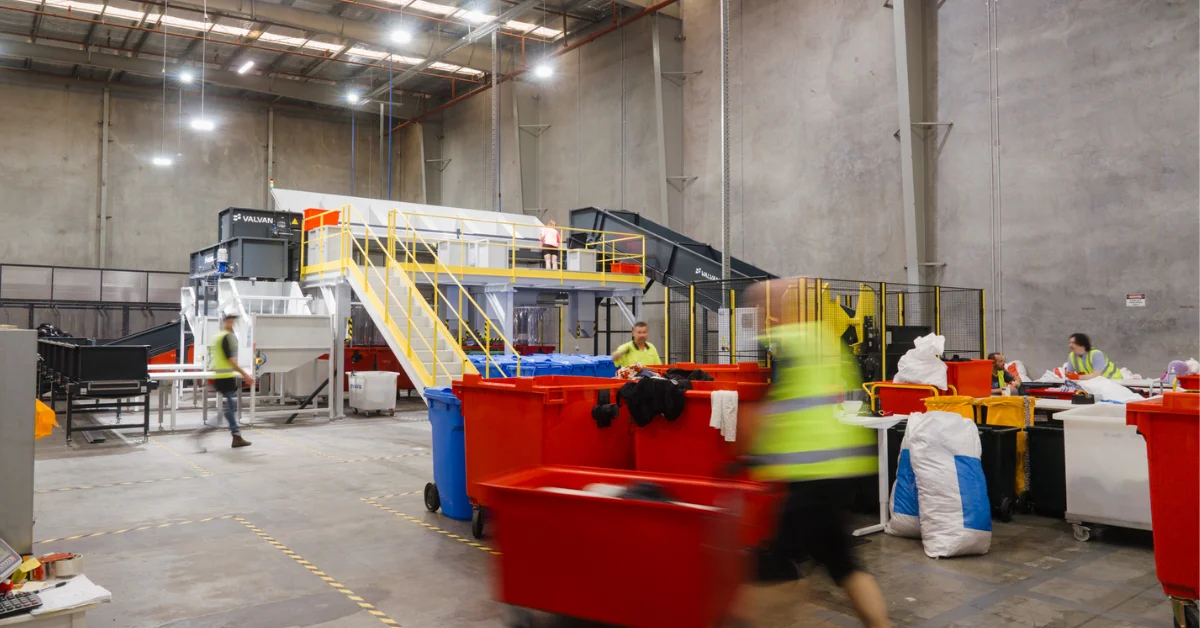
Australia’s first automated textile sorting and decommissioning system is being introduced at the Carole Park textile facility, which will be capable of processing up to 5,000 tonnes of material each year.
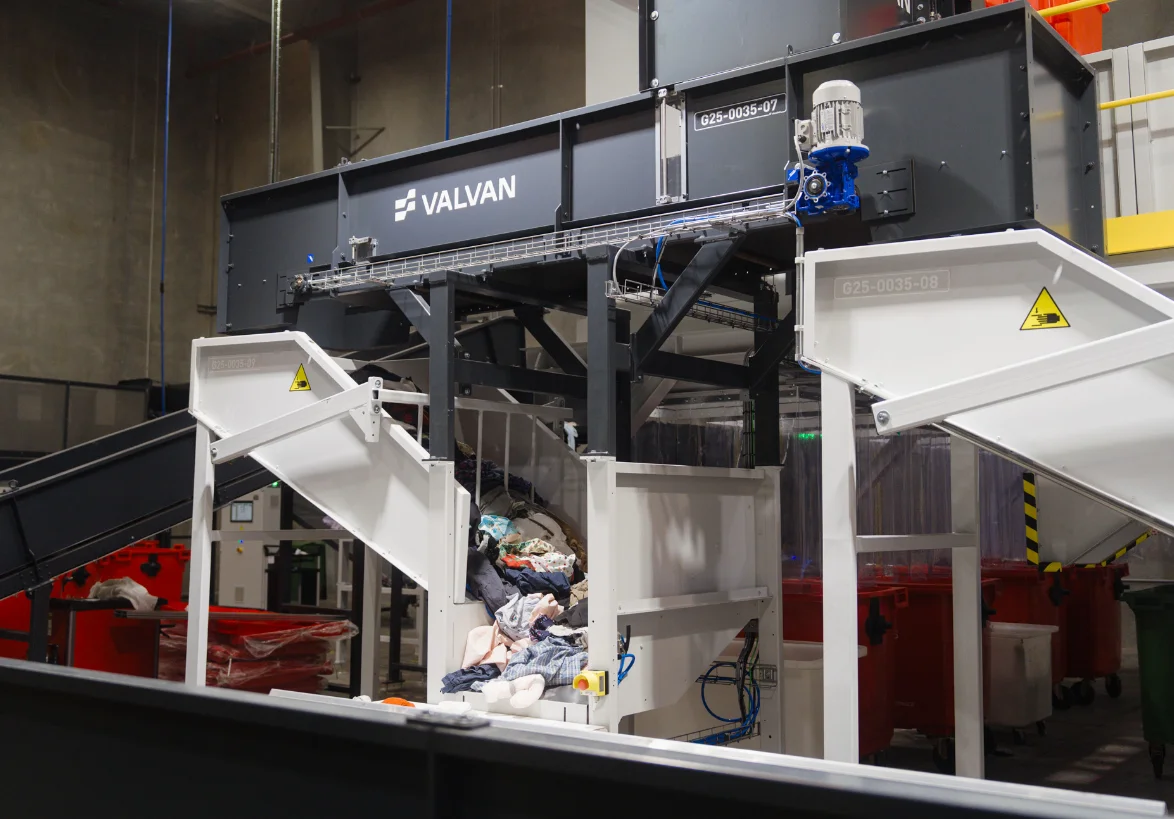
Located at 6 Krypton Court, the Salvos Stores Textile Recovery Facility will use artificial intelligence and robotics to sort unwanted clothing and other textiles by material type.
The technology will also assist with removing components such as buttons and zippers, preparing damaged or unsellable textiles for reuse and recycling pathways.
Wearable clothing will continue to be prioritised for resale through Salvos Stores. Material that cannot be resold can instead be separated and prepared as more consistent textile feedstock for recyclers and manufacturers.

Automated Recovery At Carole Park
Salvos Stores is introducing the automated sorting and decommissioning system in 2026 as part of its efforts to extend the usable life of clothing and other textile products.
The Carole Park textile facility is intended to process large volumes of unsellable garments while producing sorted bales of recovered material suitable for recycling trials and larger-scale manufacturing.
Recovered fibres could be used in products including acoustic panelling, insulation, yarn, homewares and new clothing.
Businesses using or disposing of textiles may also work with the facility on take-back, resale and recycling arrangements. Potential partners include clothing brands, organisations disposing of uniforms, manufacturers using reclaimed fibres and recyclers seeking sorted textile material.



Facility To Handle 5,000 Tonnes Each Year
A $4.97 million investment supports the facility, which can process up to 5,000 tonnes of textiles annually for reuse and recycling.
About 200,000 tonnes of clothing is sent to Australian landfills each year. Some synthetic materials, including polyester, can take hundreds of years to decompose.
Recycling clothing can be difficult because garments often contain combinations of fibres, dyes, labels, fasteners and finishes. These components can be costly and time-consuming to separate before the material is suitable for another use.
The automated system is designed to complete part of that sorting and preparation at scale, creating cleaner and more consistent material for potential reuse by manufacturers.
Employment And Volunteer Opportunities
The facility also supports employment, volunteering and industry partnerships in Ipswich.
Volunteering opportunities are available for individuals, community groups and workplace teams interested in assisting with textile recovery activities.
Participants may contribute to the facility’s operations while gaining practical experience and developing skills. Salvos Stores is also seeking connections with businesses and organisations involved in clothing, textiles, recycling and manufacturing.
Ms Harding To Tour The Facility
Ms Teresa Harding is scheduled to visit the Carole Park facility on 22 July for a guided tour of its textile recovery operations.
The visit will include meetings with staff and volunteers involved in recovering, sorting and extending the life of textiles that might otherwise be sent to landfill.
Ms Harding is also expected to view the automated processing work and learn about the facility’s employment, volunteering and industry partnership activities.
Published 20-July-2026