


Koala Habitat Under Threat from Development in Ipswich

Koalas in Ipswich are facing mounting threats due to habitat loss, disease, and urban development, with experts warning of potential local extinction.


Background and Habitat Pressure

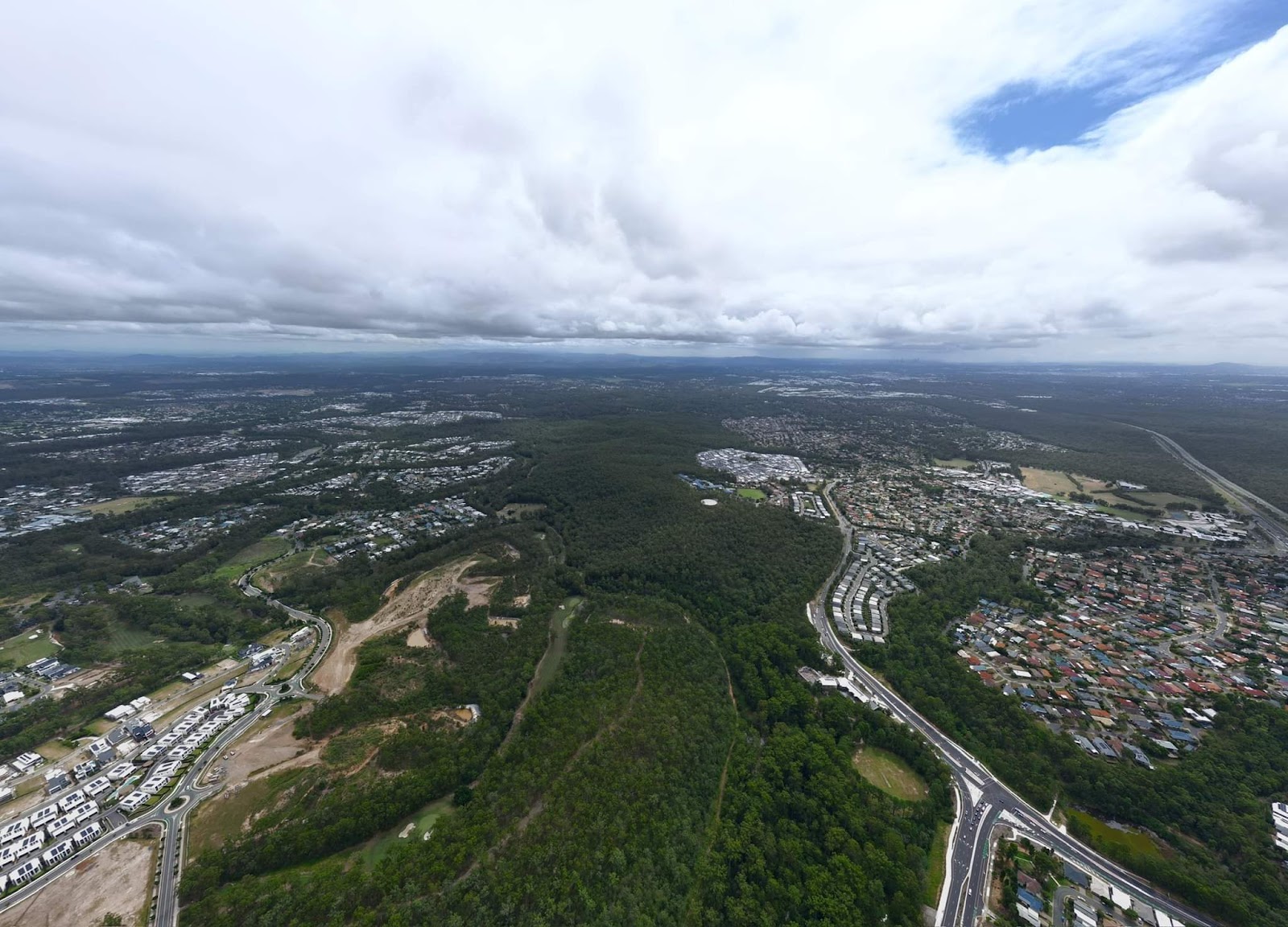
South East Queensland, including Ipswich, is home to fewer than 16,000 koalas in the wild. A significant portion of their habitat is located in areas such as Woogaroo Forest, which spans over 450 hectares and is officially classified as prime koala habitat by the State. However, nearly one-third of this bushland is now subject to proposed urban development.

These developments include residential housing, a commercial centre, a childcare facility, and a sports park. The land falls under the Springfield Structure Plan, established in the 1990s by the state to accommodate residential growth. Ipswich City officials have already approved the proposals, with federal authorities now responsible for conducting environmental assessments under national legislation.

Health Challenges and Veterinary Care

Koalas in the Ipswich region are also struggling with disease, particularly chlamydia, which can cause blindness and infertility. RSPCA Queensland reports that around 10 per cent of koalas in the region require hospital care each year, with only half surviving treatment. Wildlife hospital data indicates that koalas such as Maximus and William, both treated and released back into Woogaroo Forest, faced severe health challenges linked to chlamydia, dehydration, and malnutrition.

Vaccines for chlamydia do exist but are not readily available. As a result, koalas that recover and are released remain vulnerable to reinfection. According to Dr Tim Portas, RSPCA Queensland’s wildlife veterinary director, limited access to chlamydia vaccines continues to hinder long-term rehabilitation efforts.

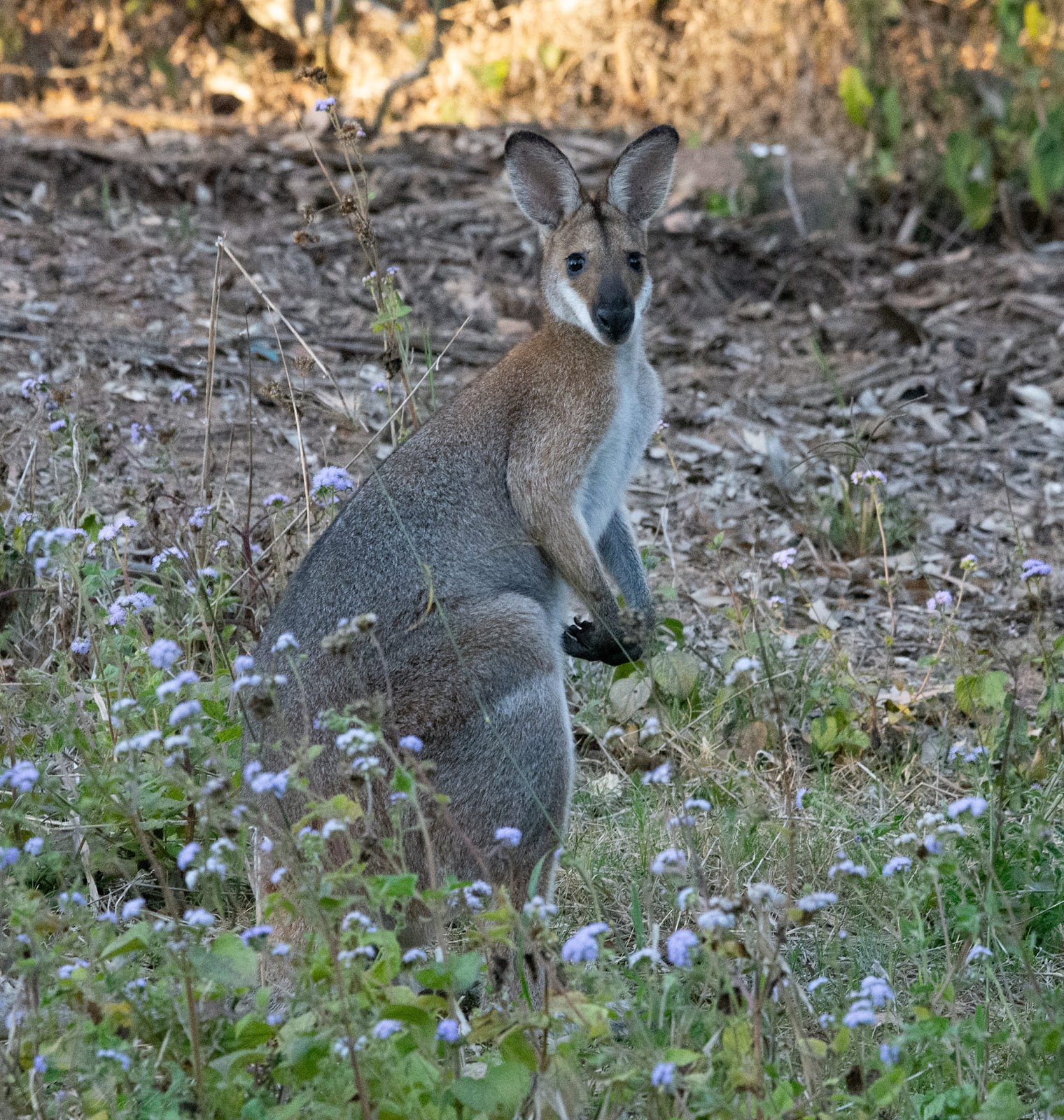
Ipswich koala
Photo Credit: IpswichCityCouncil

Development Impact and Fragmentation Concerns

Researchers and conservationists warn that fragmenting native bushland will isolate koala populations, increasing their exposure to vehicle strikes, dog attacks, and stress-related illness. Environmental assessments are being conducted on a case-by-case basis, with some experts arguing this piecemeal approach fails to account for the broader ecological impact.

University of Queensland researcher Dr Sean FitzGibbon has highlighted the cumulative effect of multiple developments in the same region, describing the scenario as a compounding threat to already stressed koala populations.

Local Conservation Efforts

Despite the challenges, targeted conservation programs in other parts of south-west Brisbane have shown signs of success. At the Pooh Corner Bushland Reserve in Wacol, young, displaced koalas have been used to re-establish a locally extinct population. The program, supported by BCC and research institutions, has already seen new generations of koalas born in the area.

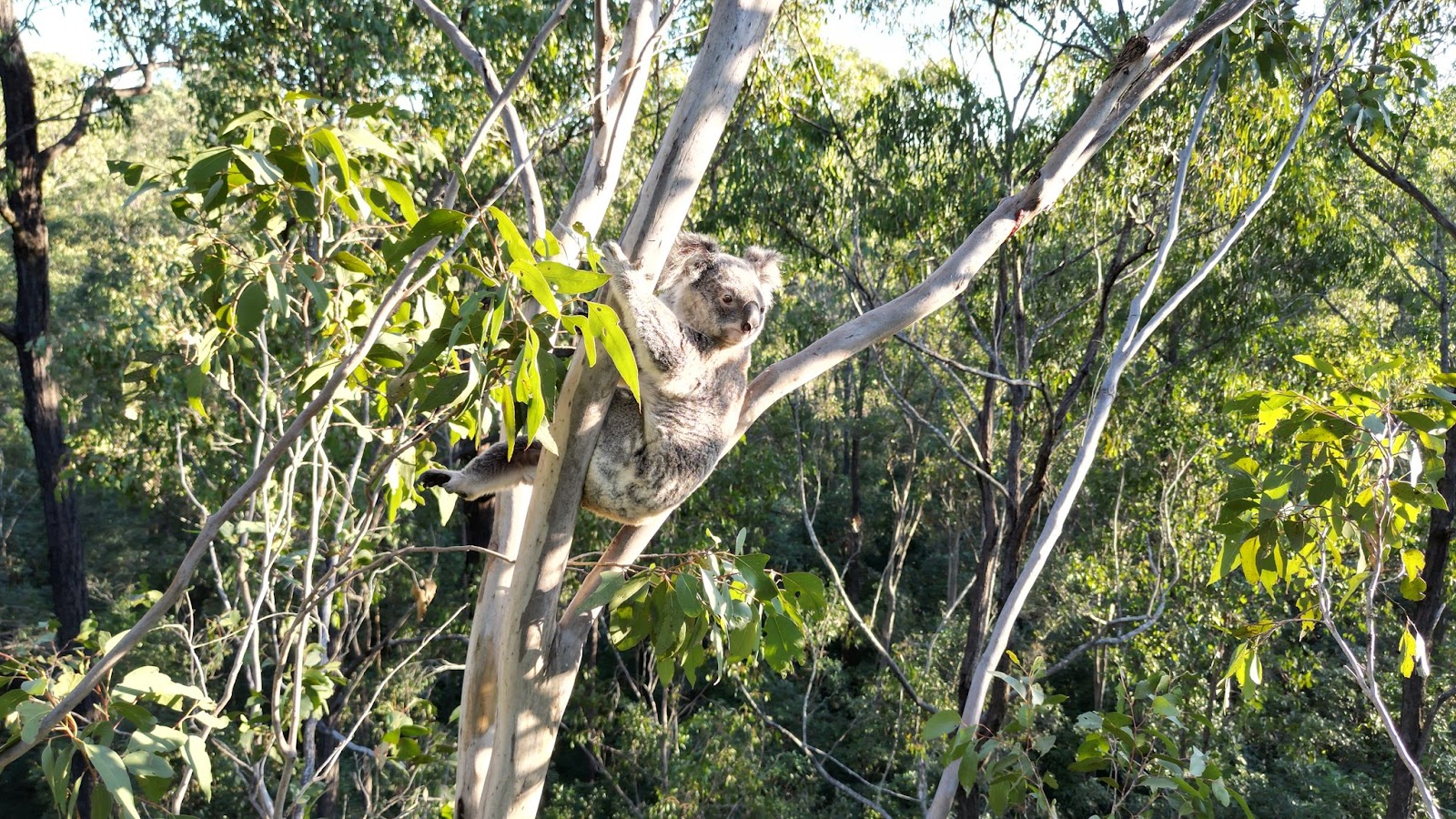
koala habitat Ipswich
Photo Credit: IpswichCityCouncil

These initiatives demonstrate that with the right habitat conditions—namely access to food trees and environmental connectivity—koalas can recover and adapt. However, experts maintain that this success cannot offset the loss of larger, contiguous habitats like Woogaroo Forest.

Community Concerns and Next Steps

Local organisations such as the Ipswich Koala Protection Society have expressed concern that developments may isolate koalas and limit their long-term survival. There is growing sentiment that existing planning frameworks do not fully account for the ecological significance of the region.


Federal environmental authorities have confirmed that none of the four proposed developments have yet met the required documentation standards for full assessment. Until those assessments are complete, the future of Woogaroo Forest and its wildlife remains uncertain.

Published 31-May-2025

Save Woogaroo Forest Group Continues Fight to Protect Critical Habitat from Development

The Save Woogaroo Forest Group is pressing on with its ongoing campaign to protect Woogaroo Forest, with hopes of preventing the forest’s destruction amid proposals for several large-scale developments in the area.


Read: Efforts to Save Platypus Habitat Ramp-Up in Greater Springfield


An Ecologically Significant Area

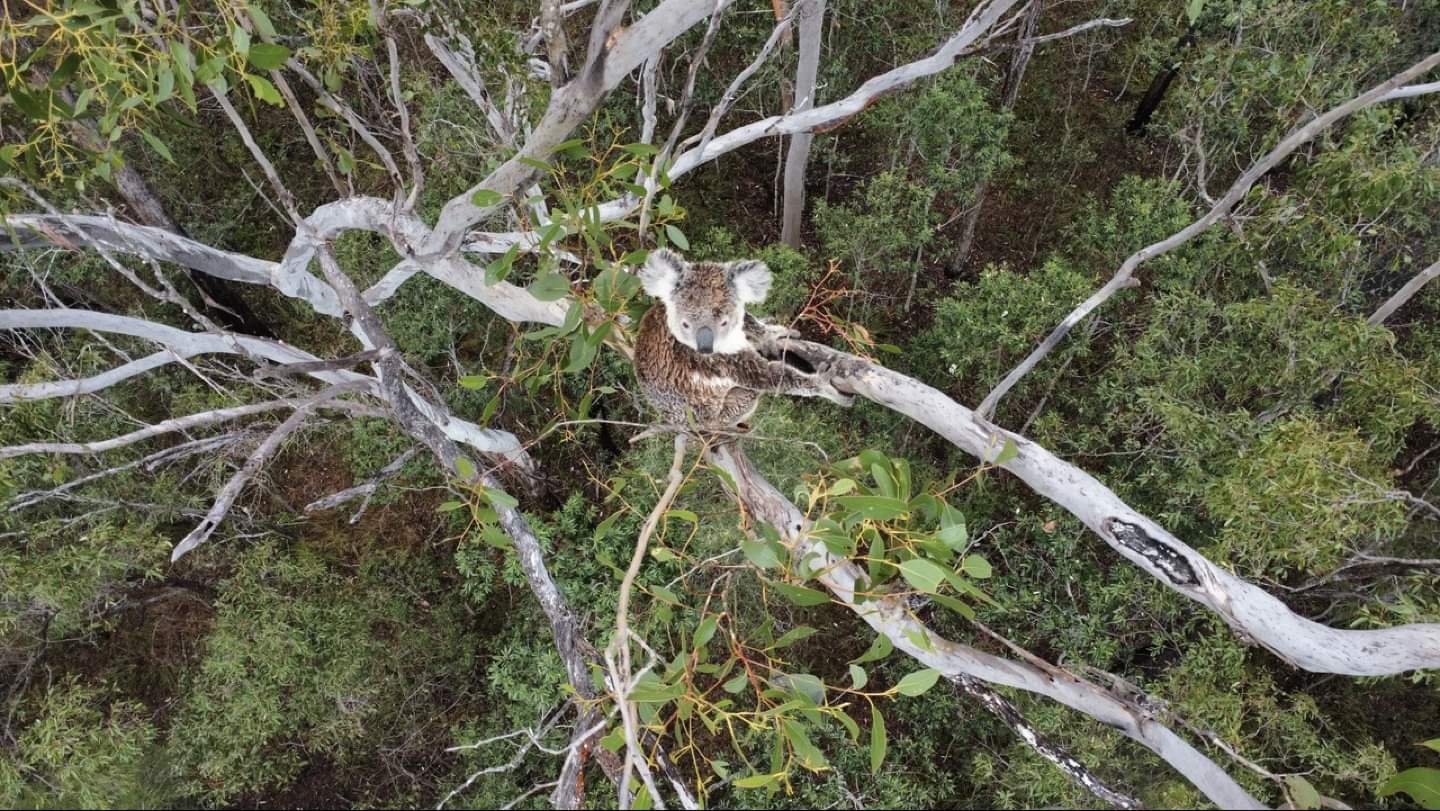
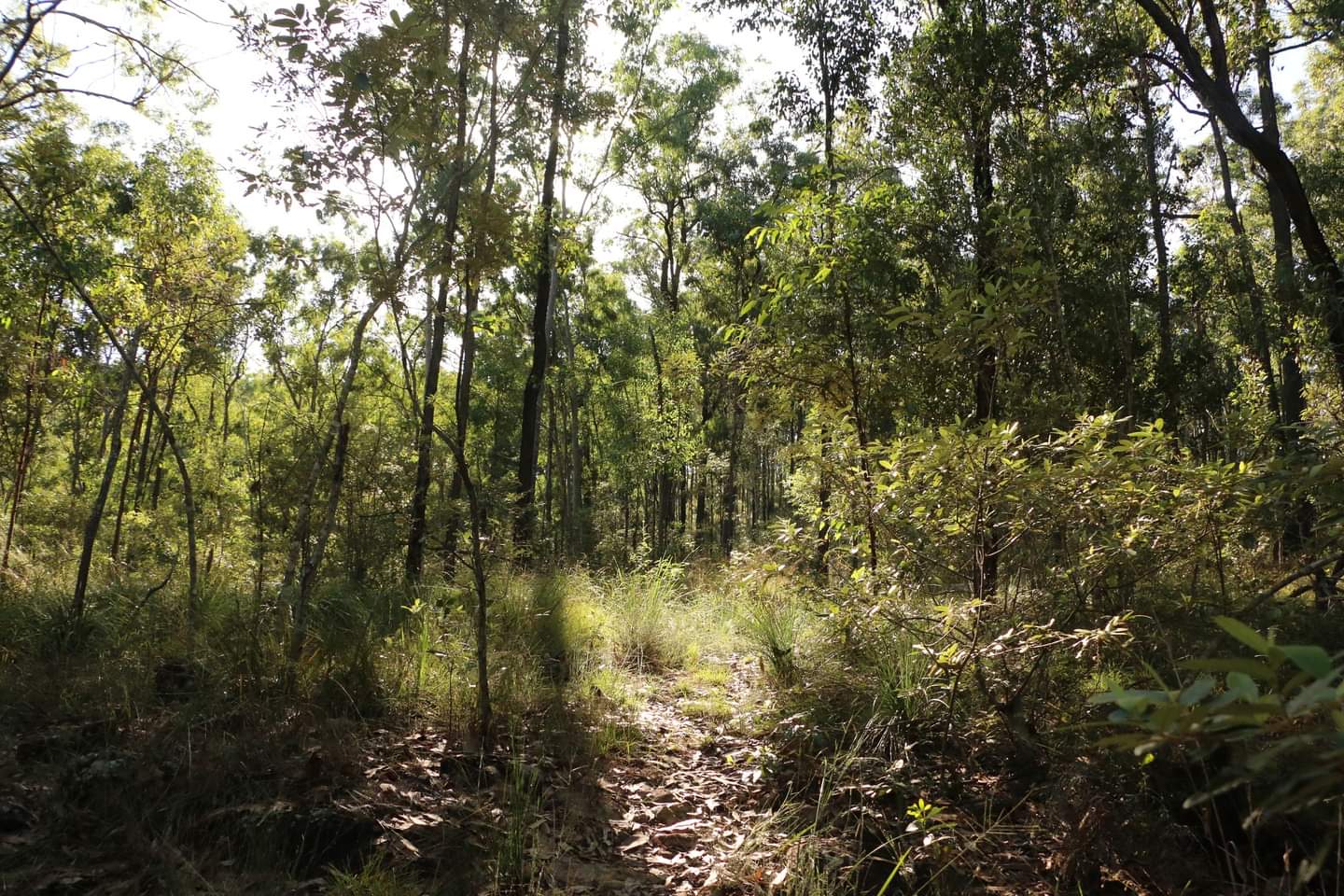
Woogaroo Forest, which spans 450-hectare, serves as a vital habitat for more than a hundred species, including koalas and owls. The forest provides essential shelter, food, and breeding grounds for these species, which are vulnerable to habitat loss. It is also seen as an important wildlife corridor that connects other natural areas, contributing to biodiversity in the region.

Photo credit:  Save Woogaroo Forest – Ipswich QLD/Facebook

However, the forest now faces the threat of four proposed developments, with the most significant being a project known as Springview Estate Villages 2 and 3, which plans to build 1,800 new homes. According to the Save Woogaroo Forest Group, these developments could have a serious impact on local wildlife by fragmenting or destroying their habitats.

The group is determined to prevent the destruction of this vital habitat and has called for further action to ensure its preservation through an online petition.

“Each one of these developments will have a devastating effect on the wildlife,” the group wrote in the Change.org petition. “Woogaroo Forest is a critical habitat for not only Koalas and Powerful Owls but more than 130 species including Echidnas, Platypus, Brush-tailed Phascogales and Sugar Gliders.”


Concerns Over Planning Framework

The group has raised concerns about the planning processes being used to assess these developments. Specifically, they argue that the proposed developments are being evaluated under Development Control Plans. The group believes that these plans are outdated and do not adequately reflect current environmental concerns, particularly when it comes to protecting endangered species like the Koala.

The petition is addressed to Tanya Plibersek, Minister for the Environment and Water.

“These developments are being assessed under rare and outdated planning instruments from last century called Development Control Plans,” the group said. “However the developments must still be assessed by the Commonwealth Government under the Environment Protection and Biodiversity Conservation Act (EPBC) 1999.

“We are calling on Minister Tanya Plibersek to ensure the development is thoroughly assessed against this Act and to reject these devastating proposals.”

Petition Calls for Urgent Action

Photo credit:  Save Woogaroo Forest – Ipswich QLD/Facebook

The Save Woogaroo Forest Group has called for immediate action from decision-making bodies to address the potential environmental impacts of the proposed developments. While the projects are being reviewed under regional and state-level guidelines, the group argues that these developments must also be assessed for their impact on nationally significant environmental values, particularly threatened species and critical habitats.

The group also expressed concern about financial offset laws in Queensland, which allow developers to pay fees to offset environmental impacts, such as clearing land for development. 

“We also requested that the Queensland Government change its financial offset laws to prevent developers paying a fee to allow them to clear forests and destroy wildlife habitat,” they wrote on Facebook. “To date we have only received a response from the Environment Department suggesting we write to the Planning, Development and Infrastructure Department, which we have done. We are awaiting responses.”

Petition Gains Traction

The petition, which has already gathered more than 15,000 signatures, continues to grow in support. 

Supporters of the petition have expressed concern about the long-term impact of the proposed developments. The group encourages individuals to sign the petition and contact relevant authorities to voice their concerns about the proposed developments and their potential environmental impact.

Next Steps for the Group

As the group moves forward with its advocacy, it is focusing on raising awareness of the issue through continued outreach to local residents, environmental organizations, and decision-makers. The group is also calling for a more sustainable and forward-thinking approach to development in the region, one that balances the need for growth with the protection of critical wildlife habitats.


Read: Community Rallies to Protect Wildlife in Woogaroo Forest


For more information about the Save Woogaroo Forest Group and to learn more about the petition, visit their social media page.

Published 6-January-2025

Will Woogaroo Forest Survive Brisbane’s Building Boom?

In Springfield, a battle is unfolding between two pressing needs: housing for a booming population and survival space for some of Australia’s most vulnerable wildlife. At the centre of this conflict lies Woogaroo Forest, a pristine woodland that stands as one of the last refuges for the region’s endangered koalas.


Read: Community Rallies to Protect Wildlife in Woogaroo Forest


The community group Save Woogaroo Forest points to a map covered in dots indicating koala sightings, noting that there have been numerous additional sightings since the map’s creation. The group warns that housing developments in the area would spell the end for the local koala population, making their survival impossible.

Photo credit: Save Woogaroo Forest – Ipswich QLD/Facebook

The stakes couldn’t be higher. Southeast Queensland is bracing for a population surge that would make most city planners nervous – an additional 2.2 million residents by 2046, pushing the region’s total to around 6 million. This explosive growth demands roughly 900,000 new homes, a target that already seems daunting given current supply shortages.

But for the Save Woogaroo Forest group, these statistics represent more than just planning challenges – they represent an existential threat to a unique ecosystem. The forest isn’t just home to koalas; it supports more than 130 native species, creating a biodiversity hotspot that once lost, cannot be replaced.

Photo credit: Save Woogaroo Forest – Ipswich QLD/Facebook

The story of Woogaroo Forest is deeply intertwined with the ambitious Springfield development project. In 1992, a renowned developer acquired 7,000 acres of forested land between Ipswich and Brisbane. 

At the time, it might have seemed like an ordinary land purchase, with only 10% zoned for residential use. Today, it represents Australia’s newest emerging city and south-east Queensland’s fastest-growing region, expected to double its current population of 50,000 to 105,000 by 2030.

What makes this rapid transformation possible is a unique planning instrument called the Springfield Structure Plan (SSP), one of just three Development Control Plans operating in Queensland. These DCPs operate like master keys, unlocking development possibilities by bypassing many state regulations – including those protecting vegetation and koala habitats.

Photo credit: Save Woogaroo Forest – Ipswich QLD/Facebook

The situation highlights a critical failing in current environmental protection frameworks. Despite a chorus of expert voices – ecologists, academics, and wildlife organisations – all warning about the irreversible ecological damage that development would cause, these assessments carry little weight against planning legislation created more than three decades ago.


Read: Mother and Baby Koala’s Death Sparks Urgent Plea from Ipswich Koala Protection Society


As south-east Queensland grapples with its growing pains, Woogaroo Forest stands as a testament to the complex challenges of modern urban development. The question remains: in our rush to house our growing population, what price are we willing to pay in terms of environmental preservation? For the koalas of Woogaroo Forest and their defenders, the answer could mean the difference between survival and extinction.

Published 8-November-2024

Community Rallies to Protect Wildlife in Woogaroo Forest

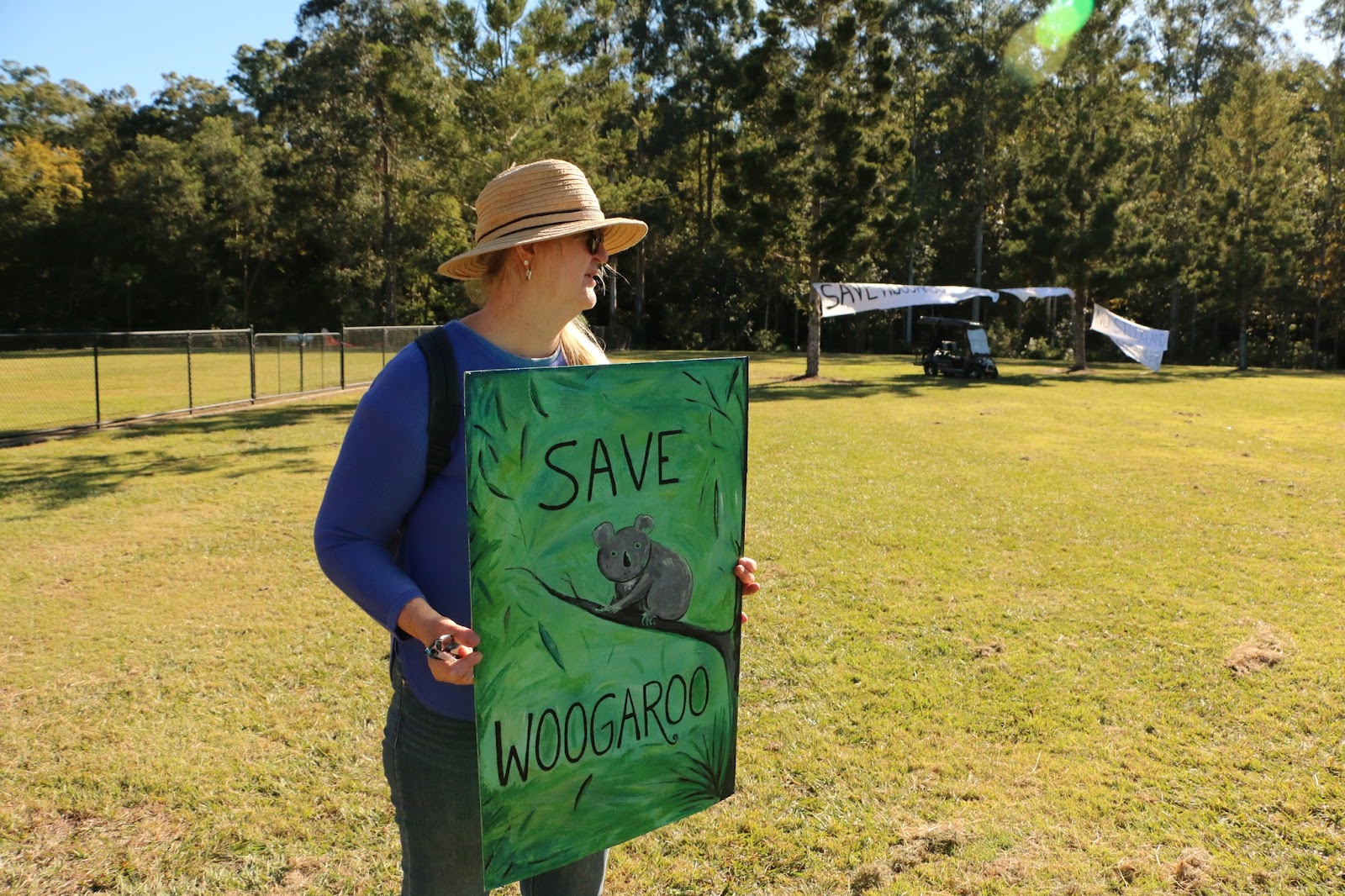
Wildlife advocates in Ipswich are making a last-ditch effort to block a major residential development in Woogaroo Forest, located between Springfield and Brookwater, in the hopes of preserving critical habitat for endangered koalas and other native species.


Read: Platypus Found Thriving in Unlikely Urban Oasis in Ipswich


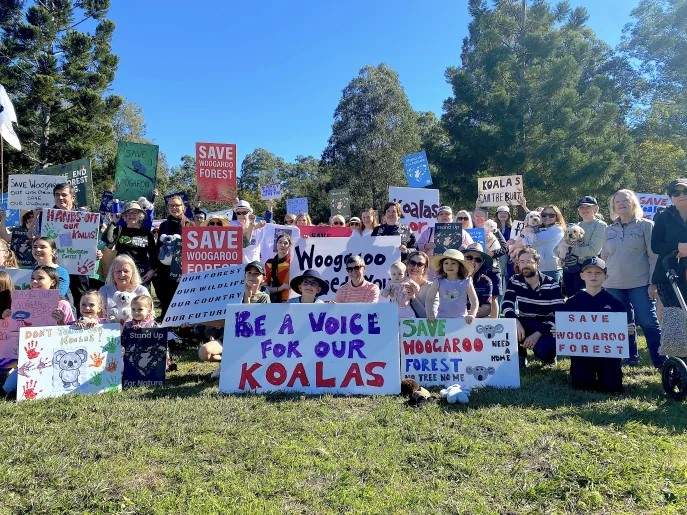
A public protest is planned for June 16 against the approved plan for “Springview” to build over 1,800 homes with a commercial centre and childcare centre on 160 hectares of the forest area. 

Woogaroo Forest is a 450-hectare natural woodland area situated between the suburbs of Brookwater, Bellbird Park, Camira, and Springfield in Ipswich. It represents the last major remnant of forest linking the Goodna and Camira wildlife corridors to the White Rock Conservation Park. 

Photo credit: Save Woogaroo Forest – Ipswich QLD/Facebook 

According to wildlife advocates, this forest provides vital habitat for significant native species like koalas, powerful owls, echidnas, brush-tailed rock wallabies, and brush-tailed phascogales – all of which have been spotted and photographically documented in and around the area within the past five years.  

Photo credit: Save Woogaroo Forest – Ipswich QLD/Facebook 

Despite objections from some locals, Ipswich City Council signed off on the precinct plan for the development this March as an initial step. 

Facing a severe housing shortage and rapid population growth, the Council is promoting new residential developments like Springview as critical for accommodating the influx of new residents expected in the area. 

With the population of Greater Ipswich currently around 250,000, projections indicate it could potentially double to 500,000 within the next ten years as more people move away from the city centre to the outer suburban regions in search of more open green spaces. 

Keith McCosh of Bellbird Park is helping organise the protest, who noted that people see koalas quite regularly around the place. They have the fear that this will take the koalas to extinction in Ipswich.

Photo credit: Save Woogaroo Forest – Ipswich QLD/Facebook 

A petition by protesters to save the remnant forest has gathered over 15,000 signatures so far. 

However, the developer Stockland says the state environment department has no records of koala presence in the area. Their application included independent flora and fauna studies.

Mayor Teresa Harding has said the project did not require consultation with councillors, and environmental approval rests with the federal government due to claims of endangered species on site. It’s reportedly a code-assessable project, which means it did not require public consultation or allow appeals.


Read: Almost 700 New Homes Built in Ipswich to Support the Housing Market


With housing in high demand yet biodiversity at risk, the June 16 protest at Opossum Creek Dog Park aims to raise awareness and make one last push to save Woogaroo Forest before the development advances.

Published 29-May-2024