


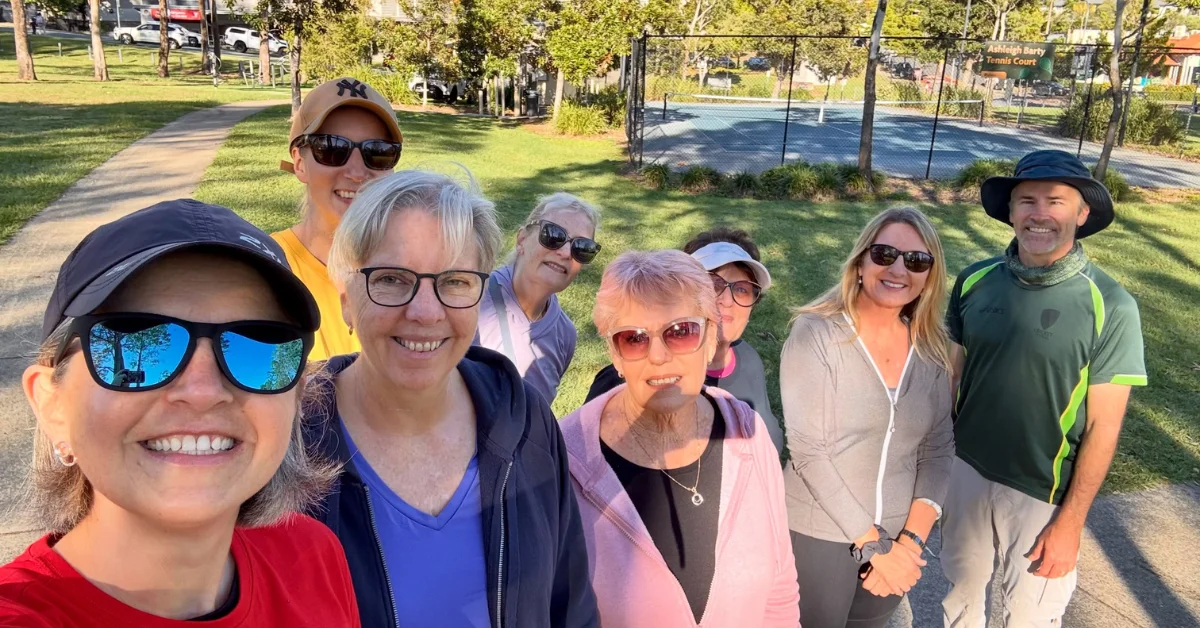
Free Monthly Walking Group Continues at Spring Lake Park

A free community walking group that began at Spring Lake Park in June is continuing to give Springfield Lakes residents an easy way to stay active and meet others.


Read: Fitness Activities For All Ages in Springfield Lakes


The Spring Lake Park Walking Group meets at 8:00 a.m. on the first Wednesday of each month, offering a relaxed walk followed by coffee and conversation. The group is open to people of all fitness levels and forms part of the national Heart Foundation Walking program.

The Spring Lake Park Heart Foundation Walking Group held its first walk on 3 June, giving residents a free, relaxed way to get moving together. Open to all fitness levels, the group meets at Spring Lake Park in Springfield Lakes and is part of the national Heart Foundation Walking program, which connects Australians through community-based walking.

Whether you’re a regular walker or someone just starting out, all you need are some comfortable shoes and a willingness to show up. Walk at your own pace, and enjoy the company. There’s no cost to join and no pressure to keep up — just walk at whatever pace suits you.
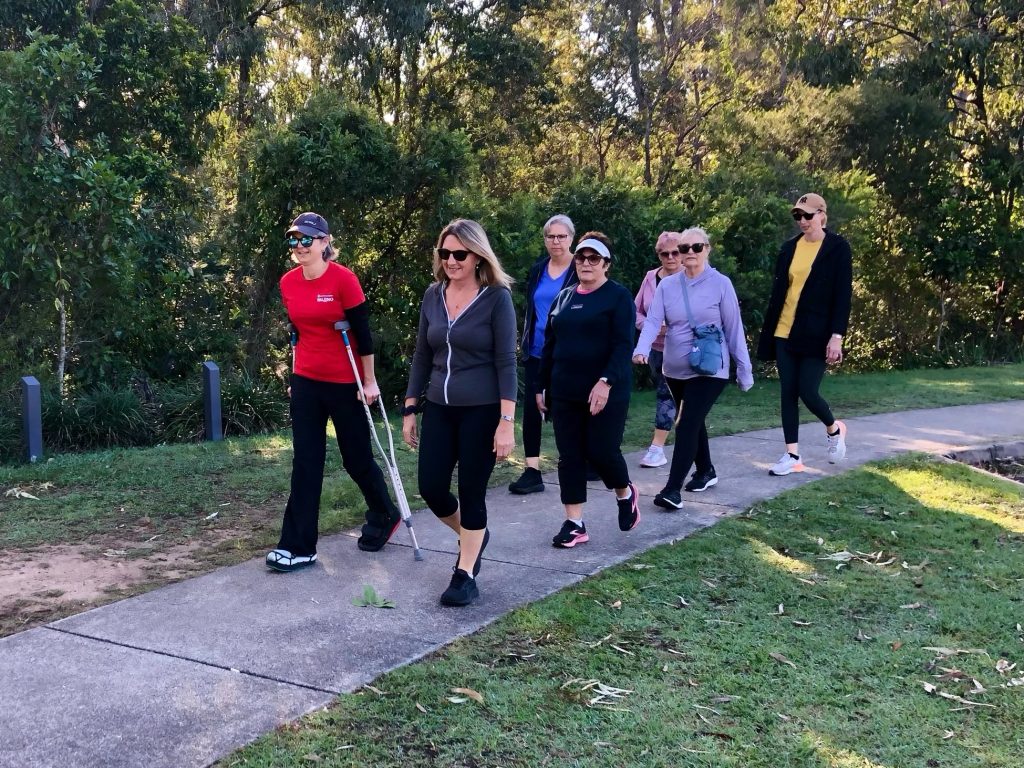
Photo credit: Facebook/Spring Lake Park Walking Group

“This is a friendly, free community walking group designed to help you stay active, improve your heart health, and connect with others in a relaxed and supportive environment,” the group shared on its Facebook page. “All fitness levels welcome. Walk at your own pace.”

The group itself describes Spring Lake Park as “a beautiful spot to get moving and enjoy the outdoors,” and it’s easy to see why it was chosen as the meeting place.

Why walking matters more than you might think
Photo credit: Pexels/ Jari Lobo 

It’s easy to underestimate a walk around the park, but the Heart Foundation promotes regular walking as one of the most accessible ways to support heart health. According to the organisation, walking can reduce your risk of heart disease and stroke, help manage blood pressure and cholesterol, improve your daily mood, and strengthen social wellbeing.

The Heart Foundation has also flagged that three in four Australians have a Heart Age higher than their actual age, often driven by risk factors like high blood pressure, high cholesterol, and family history. For many people, a heart attack or stroke can be the very first sign of heart disease, which is why taking small, consistent steps toward better health matters.

Getting active through walking can improve fitness and heart health, lift mood and energy levels, and help people feel more connected to their community. The program offers both group walks and personal walking plans through its website, with goal setting, progress tracking, and device integration for those who like to keep tabs on their steps.

How to get involved

The group launched in April 2026. Anyone keen to join can follow the group’s Facebook page for updates on walk dates and times, as well as any changes due to weather.

It costs nothing to join. Follow the Facebook page for the latest details on meeting times and what to expect on the day.


Read: Springfield Lakes Residents Asked: Is Your Suburb Actually Built for Walking?


For those who’d prefer to walk solo, the Heart Foundation Walking website also offers free personal walking plans with tips, tools, and support to help you get the most out of every step.

If you’ve been thinking about getting a bit more active, this might be exactly the nudge you needed.

Published 5-June-2026
Updated 1-Aug-2026
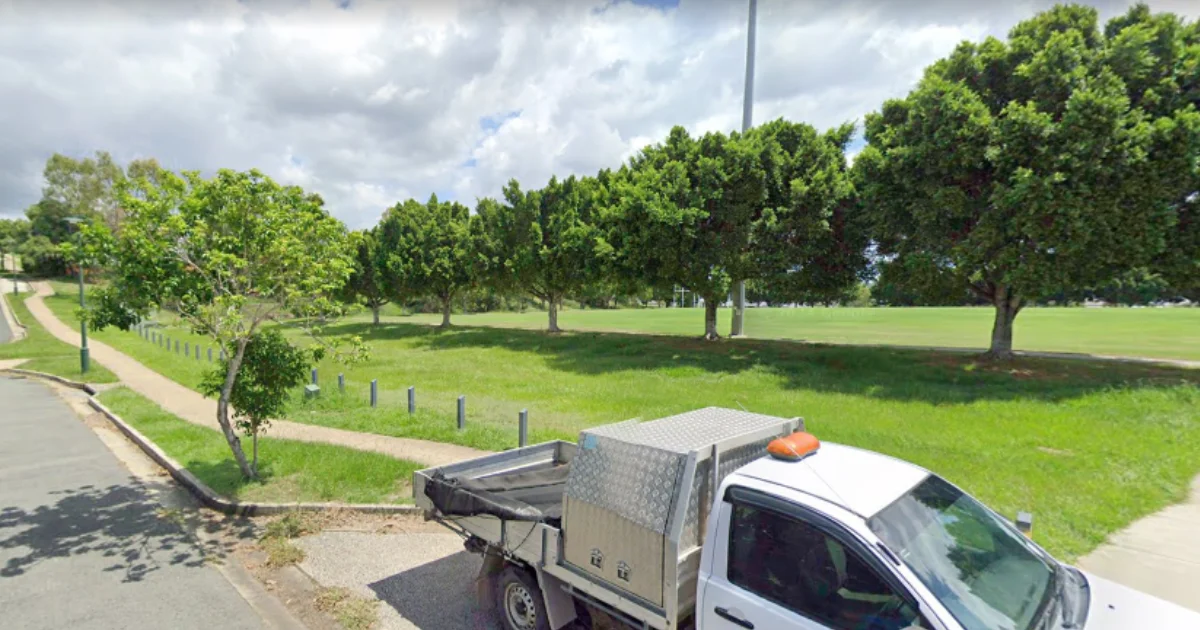
Springfield Lakes Residents Asked: Is Your Suburb Actually Built for Walking?

Springfield Lakes has been described as a planned active living community, but a new university research project is putting that promise to the test, and local residents hold the key to the answers.


Read: An Updated Guide to the Best Ipswich Walks


The University of Southern Queensland (UniSQ) has launched an online survey asking Springfield Lakes and Spring Mountain residents whether their neighbourhoods actually make it easy to walk, ride, and get around without reaching for the car keys.

The survey is part of the Active Springfield Neighbourhoods Project, a study led by UniSQ researcher Melinda Covey-Hansen, who is undertaking the work through a PhD internship hosted by Queensland Health. The project is supported by Ipswich City, the Office of the Queensland Government Architect and the Heart Foundation.

UniSQ researcher Melinda Covey-Hansen (Photo credit: unisq.edu.au)

Ms Covey-Hansen says the research is grounded in well-established evidence that where people live directly shapes how active they are. Neighbourhoods with good access to walking and cycling paths, parks, schools, shops, public transport, shade and lighting tend to make it much easier for residents to weave physical activity into their everyday routines, she says.

The goal is to find out whether what planners designed is what residents are actually experiencing on the ground. Ms Covey-Hansen says the project will combine resident feedback with mapping and planning data to build a clear picture of whether Springfield’s active living design principles are being delivered as intended and felt that way by the people living there.

Whether that vision has translated into the kinds of connected, walkable streets and accessible parks residents were promised is precisely what this research aims to find out.

Findings from the project will be used to produce a Healthy Places, Healthy People case study through Queensland Health, with the aim of sharing lessons and informing planning, design and advocacy for more walkable communities across Queensland. Resident feedback, including suggestions for improvement, will also be passed on directly to Ipswich City Council to help shape future infrastructure priorities.

Photo credit: Pexels/ Daniel Reche

Ipswich Mayor Teresa Harding says the council welcomes the research, pointing to the recently adopted Ipswich City Plan 2025 as a sign of the city’s commitment to well-planned, connected neighbourhoods supported by transport, services and local centres. Harding says the council’s city design and planning teams will be watching the findings closely, as real-world resident experiences can help inform how the city continues to deliver quality neighbourhoods for a growing population.

For locals, taking part is straightforward. The online survey takes only a short time to complete and asks residents about their physical activity habits, along with what helps or gets in the way of active living where they live. Residents aged 18 and over from Springfield Lakes and Spring Mountain are encouraged to participate before the survey closes on 10 April 2026.

As an added incentive, participants can opt into a prize draw to win a 200 dollar Healthy and Active pack, which includes a Fitbit and UniSQ merchandise.


Read: Radio Host Matty Acton Walks from Bowen Hills to Ipswich, Raises $50k


If you would like to have your say on what active living looks like in your neighbourhood, this is your chance to make it count. Researchers want to hear from you. The survey is available online through the UniSQ website. Residents can also contact Ms Covey-Hansen directly for more information via the UniSQ project page.

Published 30-March-2026