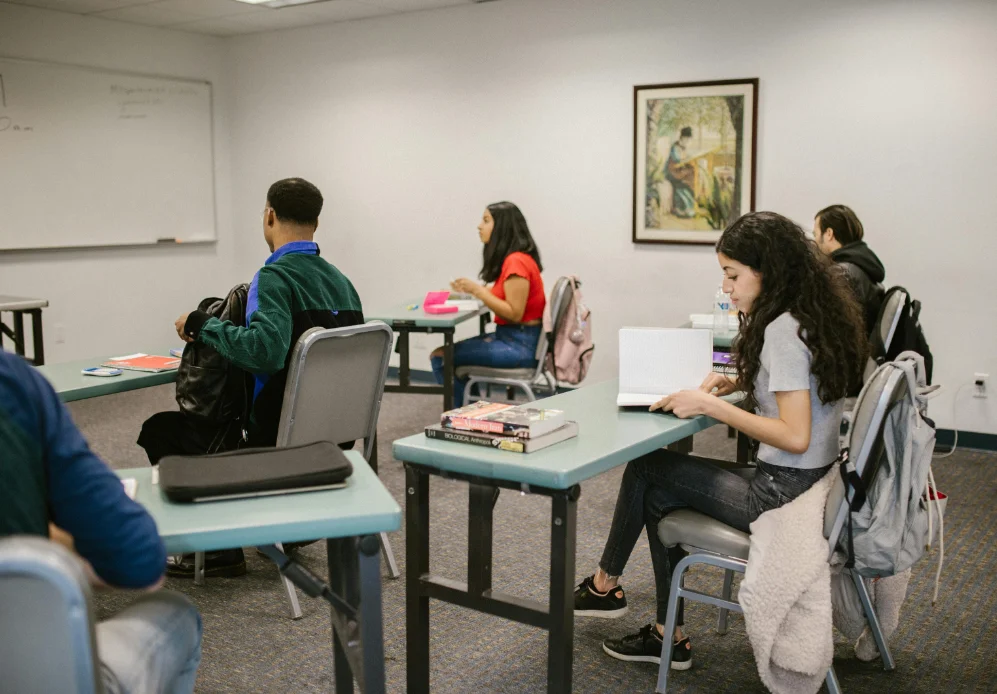
Two-Stage Rollout Locked In for Augustine Heights Special School

A new special school for the Springfield–Redbank corridor is now tracking toward a staged opening, with the first intake expected in 2027 and full delivery by early 2028.


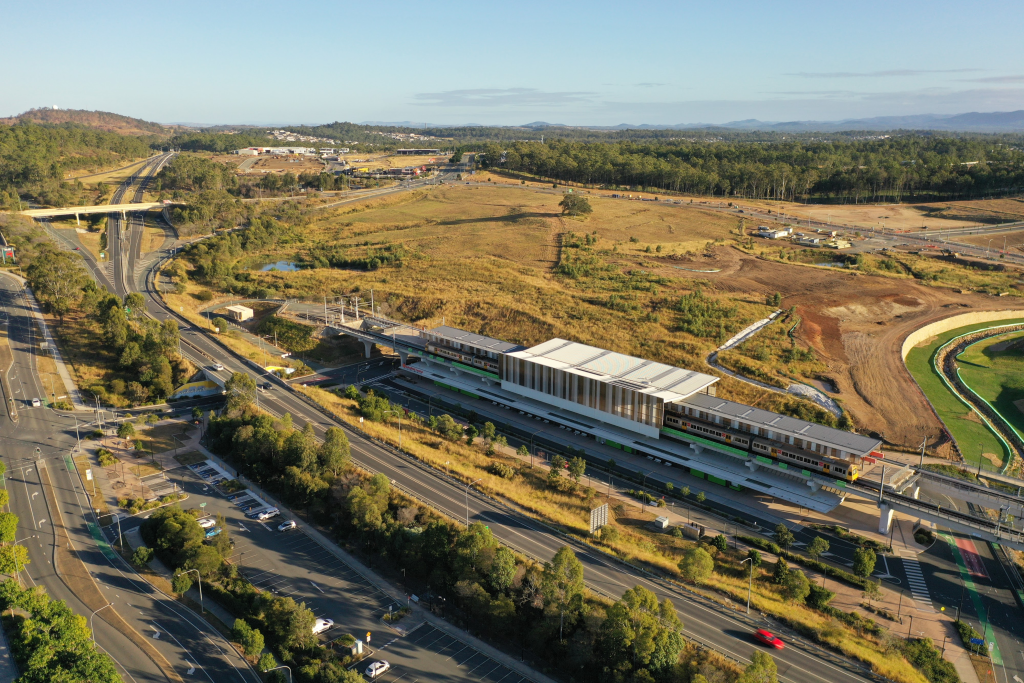
The facility, planned for co-location with Woogaroo Creek State School in Augustine Heights, is being designed to respond to sustained enrolment growth across one of South East Queensland’s fastest-expanding regions.

Updated project details confirm a two-stage rollout, with stage one scheduled to open in 2027, followed by stage two in Term 1, 2028.

Meeting Demand in a Growth Corridor

The school is intended to expand access to specialised education while easing pressure on existing facilities across Springfield, Redbank and surrounding suburbs.

Demand for special education placements has been rising alongside population growth in the corridor, with families often travelling significant distances to access appropriate support. The new site is expected to provide localised capacity and reduce strain on nearby schools already operating at or near enrolment limits.

The project remains in the planning phase, but has progressed to the point where a design contract has been awarded. Detailed design work is now underway, including assessments of traffic, vegetation, stormwater and acoustic impacts tied to the new campus.

Preparing for Construction

With planning advancing, the focus has shifted to refining the school’s design and preparing for construction.

Key next steps include finalising the campus layout and addressing site-specific considerations ahead of building works. A contractor has not yet been appointed, and the overall project budget remains subject to detailed design and procurement outcomes.

Community consultation on the project was carried out in the final quarter of 2025, helping inform early planning decisions.


A Coordinated Expansion of Special Education

The Augustine Heights project forms part of a broader pipeline of new special schools being considered or delivered across Queensland to keep pace with population growth.

Once complete, the co-located model with Woogaroo Creek State School is expected to support shared infrastructure efficiencies while delivering dedicated facilities tailored to students with diverse learning needs.

The staged 2027–2028 opening timeline now provides the clearest indication yet of when families in the Springfield–Redbank area can expect access to expanded local support.

Published 6-May-2026

Springfield Commuters Hit Hard as Queensland Rail Cuts Nearly 300 Train Services

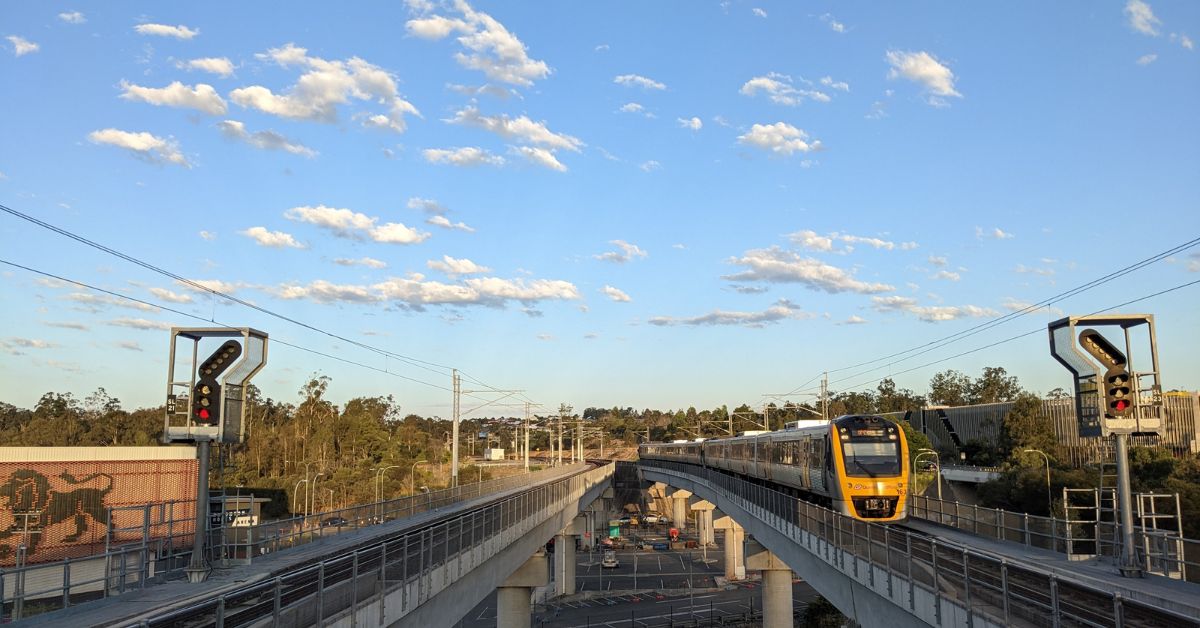
Queensland Rail has shifted the network to a modified Saturday-style timetable, axing 273 train services and cutting Springfield Line peak frequencies from every six minutes to every 15, with no confirmed end date in sight for commuters travelling between Springfield Central, Springfield, Richlands and Darra.


For Springfield Lakes, Springfield, Richlands and Darra commuters who depend on the Springfield Line to reach the city for work, the cut represents a significant daily disruption with no confirmed end date. Queensland Rail says the reduction is necessary because 42 three-car sets are currently offline awaiting maintenance, leaving 20 per cent of the train fleet unavailable.

“The simple fact of the matter is that we do not have enough trains to run our full timetable,” Queensland Rail head of corporate affairs Nev Conway said.

Behind the service cuts

The timetable cuts, which will take effect on Tuesday 5 May, stem from a maintenance backlog Queensland Rail attributes to rolling industrial action by the Electrical Trades Union (ETU), the Rail Tram and Bus Union (RTBU) and the Australian Manufacturing Workers Union (AMWU), involving 880 notices of industrial action lodged against the network. All three unions are in a wage dispute affecting maintenance workers across the Queensland Rail network.

Photo Credit: Google Maps

The unions dispute that characterisation. The ETU argues that Queensland Rail’s decision to withhold pay from employees for performing partial duties, communicated to workers on Friday morning, is the direct cause of the timetable collapse. The AMWU echoes that position, arguing the disruption stems from poor planning rather than strike action alone.

“The AMWU has made it clear for weeks that industrial action can be withdrawn if agreement is reached on just two key classification-based claims,” an AMWU spokesperson said. “Commuters are paying the price.”

Queensland Rail last week also cut train capacity from six-car to three-car sets before this week’s further reduction in services. The timetable will be cut again if the maintenance backlog continues to grow.

For Springfield Line commuters 

From Tuesday 5 May until further notice, Springfield Line services run every 15 minutes during morning and afternoon peak hours, and every 30 minutes off-peak. Trains will be more crowded due to the simultaneous reduction in service frequency and the use of three-car sets instead of six-car sets. Commuters should expect delays at platforms and allow additional travel time, particularly during peak windows.

Airtrain services remain unaffected by the timetable changes.

Queensland Rail has issued 471 return-to-work notices to its maintenance workforce, with 490 maintenance employees facing loss of pay if they continue to participate in strike action.

Planning your trip this week 

Commuters on the Springfield Line are strongly advised to check the TransLink journey planner before leaving home each day, as live updates to services will continue to be published there. Services may be reduced further if the backlog of maintenance work continues to grow.

The situation is being reviewed against a union response deadline of 7 May. Until an agreement is reached, the reduced timetable will remain in place.

For live service updates, click here or download the TransLink app. Replacement bus services are operating at some stations to manage overflow demand.


Published 4-May-2026

Springfield Is Getting Queensland’s First House of India, and It’s Been Decades in the Making

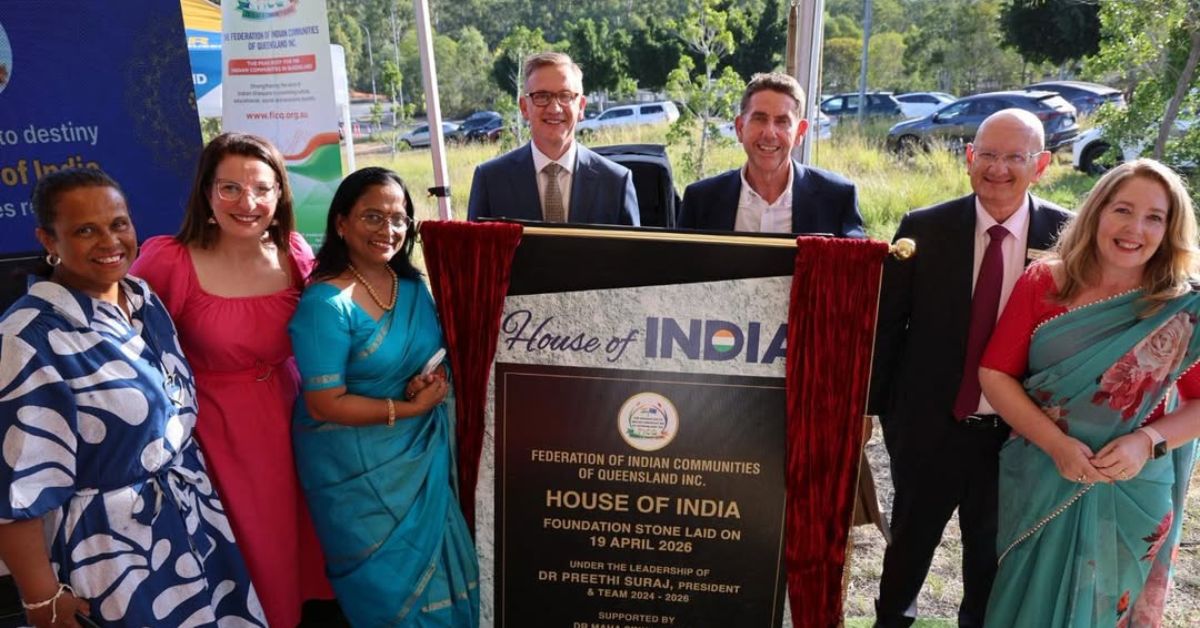
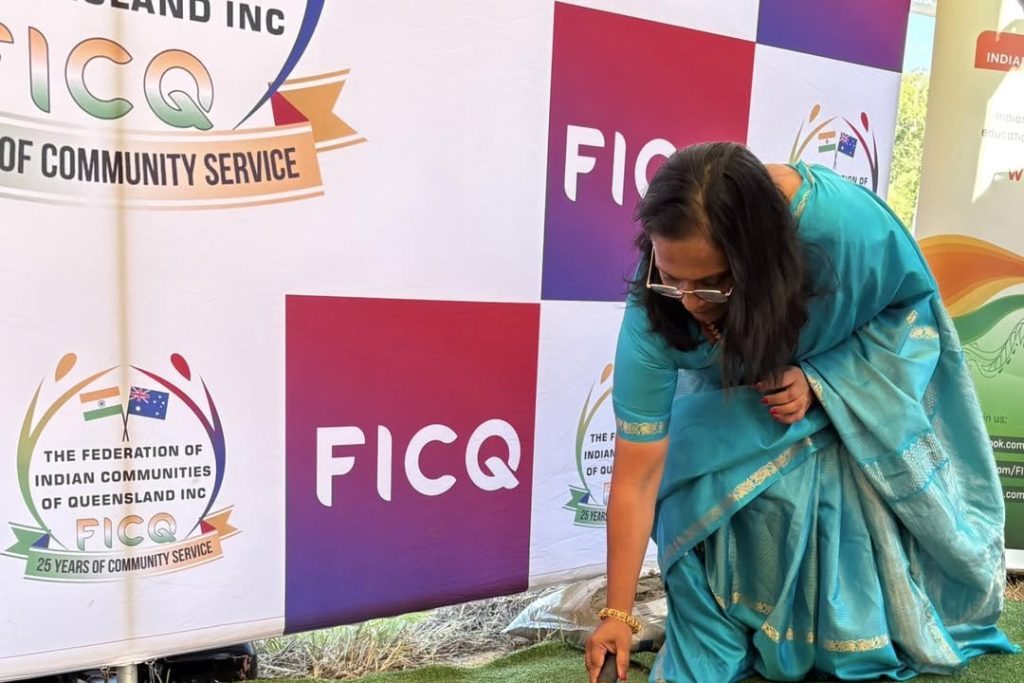
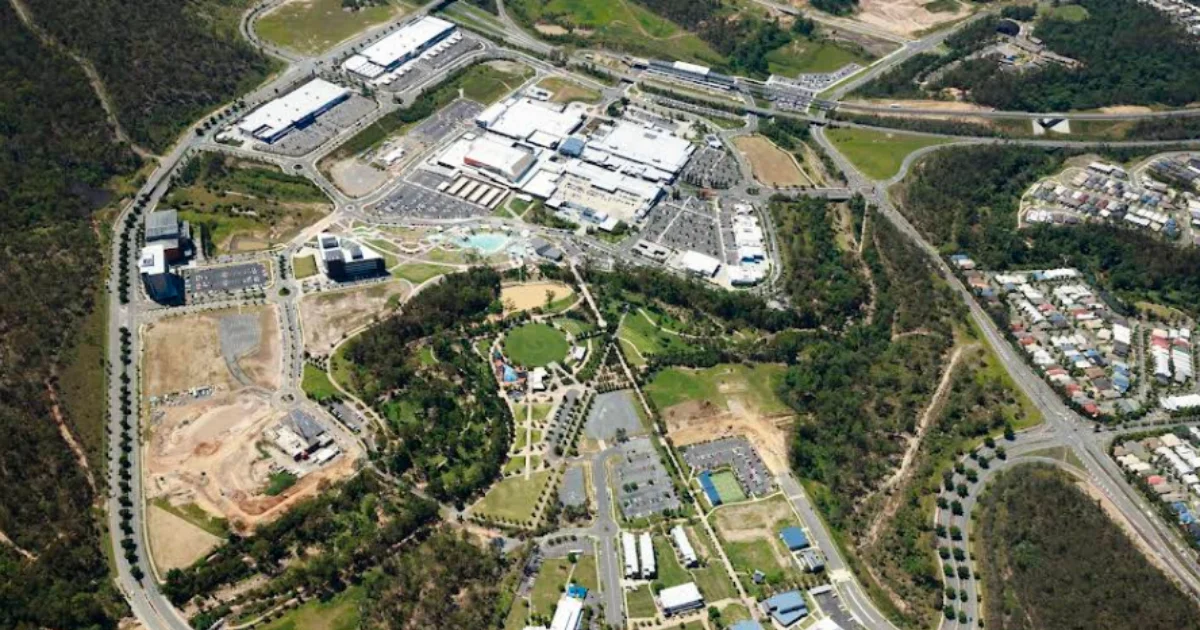
Queensland’s Indian community has reached a landmark moment, with the official foundation stone laying for the House of India taking place at the project site in Augustine Heights, marking the beginning of construction on what will be the first dedicated Indian cultural and community centre in Queensland.


The ceremony brought together community and faith leaders, who offered prayers and blessed the foundation stone before it was laid. A commemorative plaque was unveiled to mark the occasion.

Local representatives joined Julian Hill, the Assistant Minister for Multicultural Affairs, to mark the occasion. They stood alongside members of the Springfield City Group and the local Indian community to witness the blessing of the site.

The project is backed by $5.5 million in funding, and is being delivered in partnership with the Federation of Indian Communities of Queensland (FICQ), the peak umbrella body representing more than 33 Indian organisations across the state.

The FICQ has championed the House of India concept for decades, and the foundation stone ceremony represents the moment a community’s long-held vision has finally moved from aspiration to ground.

A Home in Springfield

The choice of Greater Springfield as the location for Queensland’s first House of India reflects both the demographics of the region and a deeper thread of connection that runs through its history.

Around 10,000 people of Indian heritage now live in Ipswich and Greater Springfield, one of Australia’s fastest-growing urban corridors. The region’s very existence owes much to the vision of a man of Indian descent. Dr Maha Sinnathamby AM, Chairman and Founder of Springfield City Group, was born in Malaysia of Sri Lankan Tamil heritage and came to Australia in the 1970s.

In 1992, alongside business partner Bob Sharpless, he purchased nearly 3,000 hectares of economically depressed scrubland southwest of Brisbane for $7.9 million. The plan to turn it into a master-planned city required an Act of Parliament, which Queensland’s Parliament passed unanimously in 1997.

What grew from that purchase is now home to more than 53,000 residents, 12 schools, a hospital, a university and a rail connection to the broader South East Queensland network.

Greater Springfield has been recognised as the world’s best master-planned community by the International Real Estate Federation, and Sinnathamby has donated more than $200 million in land and funds to social infrastructure across the precinct. The House of India will become part of that legacy.

“I want to thank Springfield City Group and Chairman Dr Maha Sinnathamby for their vision,” said Mr Shayne Neumann at the ceremony.

A Decades-Long Dream Taking Shape

The FICQ was founded in 1998 as a non-profit umbrella body to give Queensland’s Indian diaspora a unified voice at every level of public life. It represents organisations whose members trace their heritage to mainland India, Fiji, South Africa, Malaysia and other communities of Indian origin.

Photo Credit: FICQ

FICQ President Dr Preethi Suraj has been a driving force behind the House of India project as it has moved through planning, funding and community consultation over the years.

“This project represents a shared dream to create a space where culture brings people together and diversity is celebrated,” Dr Suraj said.

The centre is designed to be much more than a venue for Indian cultural events, though it will certainly serve that function well. The House of India will provide dedicated meeting spaces for Indian community associations, host celebrations and festivals, and welcome multicultural and faith groups from across the region.

At the same time, it is designed to serve the broader Ipswich and Greater Springfield community with practical support services including crisis accommodation, community education programmes, language schools, sporting facilities and a commercial kitchen to support food relief efforts.

That dual purpose, deeply rooted in Indian cultural identity while genuinely open to the whole community, reflects how Queensland’s Indian diaspora has always operated: engaged, contributing and inclusive.

Built on Years of Contribution

The Indian community in Ipswich and Greater Springfield is one of the most highly educated and employed in Queensland. Its members work across medicine, engineering, information technology, education, small business and beyond, and have been part of the social and economic fabric of the western corridor for generations.

It was noted that the community has already contributed significantly to the region, and that the House of India provides a place that reflects that contribution back to them.

“With around 10,000 people of Indian heritage now living in Ipswich and Greater Springfield, this community makes a huge contribution to the region, and it’s time they had a place to call their own,” Mr Neumann said.

The Next Chapter

Construction is now underway following the foundation stone ceremony. For more information about the House of India project or to follow its progress, contact the Federation of Indian Communities of Queensland at ficq.org.au.


Published 26-April-2026

Brisbane Lions and TAFE Queensland Launch Leadership Diploma at Springfield Lakes’ Brighton Homes Arena

The Brisbane Lions and TAFE Queensland have launched a new Diploma of Leadership and Management, giving working professionals across Queensland the opportunity to develop practical leadership skills within the environment of a back-to-back AFL premiership club, with three in-person intensives held at Brighton Homes Arena in Springfield Lakes.


The six-month programme commences on Monday 20 April 2026 and delivers the nationally recognised Diploma of Leadership and Management (BSB50420) primarily online, with classes held Monday and Wednesday evenings from 6pm to 9pm. The three Saturday intensives at Brighton Homes Arena, the Brisbane Lions’ home base on Centenary Highway, Springfield Lakes, give students direct access to the leadership culture and people behind one of the AFL’s most successful clubs of recent years.

What the Programme Covers

The diploma is designed for emerging leaders, professionals moving into management roles and individuals wanting to build practical leadership skills in a high-performance environment. Students apply their learning to real-world scenarios drawn from the Brisbane Lions organisation and hear directly from senior leaders within the club across both the online and in-person components of the programme.

Entry requires at least three years of professional working experience, making the qualification suited to working professionals, current and former athletes, and career changers who want to strengthen their leadership capability without stepping away from their careers. The online delivery model also opens the programme to students in regional Queensland and interstate who want to engage with the Brisbane Lions’ leadership environment without relocating to south-east Queensland.

Up to 30 places are eligible for Fee-Free TAFE funding, meaning eligible Australian residents may be able to complete the full six-month course at no cost.

The Partnership Behind the Programme

The Brisbane Lions and TAFE Queensland have maintained an education partnership over a number of years, with the new diploma building on that existing relationship and extending it through the Brisbane Lions Institute of Business and Sport. Brisbane Lions CEO Sam Graham said the programme’s online delivery significantly expanded access for Lions members, fans and students with an interest in AFL leadership from across Queensland and Australia.

TAFE Queensland x Brisbane Lions
Photo Credit: Brisbane Lions

Graham noted that the club’s journey to back-to-back AFL premierships had demonstrated how important strong leadership was at every level of an organisation, from the playing group through to administration and the broader club structure, and that programmes like this helped develop the leaders who would shape the future of clubs, businesses and communities.

TAFE Queensland Manager of Academy of Sport Partnerships Don Harley said the programme connected leadership education directly to the real-world experience of building a premiership culture, and that students hearing from the people who constructed that culture at the Brisbane Lions represented a genuinely unique learning opportunity. Harley also highlighted the Fee-Free TAFE funding eligibility as a significant feature, removing financial barriers for eligible participants.

Why This Benefits the Springfield Lakes Community

Brighton Homes Arena is the Brisbane Lions’ home base and sits at the heart of Springfield Lakes, one of south-east Queensland’s fastest-growing communities. The three Saturday intensives held at the arena give local residents and professionals in the Springfield Lakes, Springfield and Greater Springfield area direct access to a nationally accredited qualification at a world-class sporting facility in their own suburb.

For the Springfield Lakes community, the programme represents a concrete example of the broader value that the Brisbane Lions’ presence at Brighton Homes Arena brings beyond match days. Residents with professional experience can now pursue a nationally recognised leadership qualification on-site, connected to the leadership philosophy and culture of a club that has won back-to-back AFL premierships.

How to Enrol

The Diploma of Leadership and Management (BSB50420) is delivered by TAFE Queensland (RTO 0275) and commences 20 April 2026. Enrolments and further information, including Fee-Free TAFE eligibility criteria, are available at tafeqld.edu.au. The Brisbane Lions Institute of Business and Sport is accessible through here.


Published 11-March-2026.

Jabiru Spring Mountain OSHC at Spring Mountain State School to Close in September 2026 Amid Space Shortage

Out of School Hours Care services at Spring Mountain State School face closure in September 2026 after provider Jabiru Spring Mountain advised that a shortage of dedicated space on school grounds — a legal requirement for OSHC operations — has left the not-for-profit organisation unable to continue unless a workable solution is found before then.


The closure date, confirmed by affected families as September 2026 rather than end of year, has intensified concern across the Spring Mountain and Springfield Lakes community, where working families including single parents and dual-income households rely on before and after school care to bridge the gap between school hours and standard working hours. Spring Mountain State School gates open at 8:15am and school finishes at 2:30pm — a window of roughly six hours that is incompatible with full-time employment.

Why the Services Are at Risk

Jabiru Spring Mountain CEO Peter Loughnane and board member Sara Harrup confirmed the organisation wants to keep providing OSHC services at the school but is currently hamstrung by the limited space available. Under the National Quality Framework, providers must meet strict minimum space standards for every child in their care.

While schools are not legally required to provide a dedicated space for outside school hours care, any service that does operate must comply with these non-negotiable space requirements. This creates the current legal impasse: there is no mandate for a school to allocate additional rooms, yet a provider cannot legally open its doors if the available footprint falls short of the headcount.

The organisation has looked into local community facilities but found them either unavailable or financially out of reach for a not-for-profit. Using the school hall as a temporary fix is an option on the table, though families worry that regular external rentals and school events make it a shaky long-term solution. Ultimately, because there is no law forcing the host site to provide specific areas for care, the final call on space allocation sits with school leadership.

A Wider Problem Across the Springfield Corridor

The Spring Mountain closure is not an isolated case. Springfield Central State School has gone years without offering an OSHC service, leaving families to rely on nearby St Peter’s Lutheran College’s OSHC program. The demand has grown so high that St Peter’s can no longer accommodate Springfield Central students. Springfield State School also does not provide OSHC, an issue community members say they raised more than six years ago but remains unresolved.

The pattern across the Springfield corridor points to a systemic gap between the demand for OSHC services in one of south-east Queensland’s fastest-growing family suburbs and the supply of school-based care. Community members have noted that cleared land near some schools, including land unlikely to be developed following cancelled projects, may offer infrastructure opportunities that have not yet been fully explored. The Springfield Learning Coalition, which connects schools in the area, has been identified by community members as a potential vehicle for a coordinated solution across multiple schools.

What Jabiru Spring Mountain Currently Provides

Jabiru Spring Mountain delivers before school care, after school care and vacation care for students at Spring Mountain State School. The service provides a fully catered menu including breakfast, afternoon tea and a late snack on school days, and morning tea and lunch during vacation care. Families eligible for the Child Care Subsidy pay reduced fees based on combined household income. The programme has operated on the Spring Mountain State School campus since the school opened in 2019.

Families face fewer childcare options after Jabiru Spring Mountain OSHC confirms it will close in September 2026.
Photo Credit: Jabiru Spring Mountain

The service has already experienced one significant disruption, when it was forced to close temporarily due to staff departures following uncertainty over contract renewal. Families who lived through that closure say finding suitable alternatives in the area was extremely difficult, with limited options and high demand at existing services.

Why This Matters for Springfield Lakes and Spring Mountain Families

For single parents and dual-income households in Spring Mountain and Springfield Lakes, OSHC is not a discretionary service — it is the practical infrastructure that makes full-time work economically viable. With housing costs and basic living expenses requiring sustained full-time income, working only within the six-hour school day window is not a financially sustainable option for most families in the area.

The closure also falls hardest on those with the fewest alternatives: single parents without multigenerational household support, shift workers whose hours fall outside standard care windows, and families who cannot afford private nanny or babysitting arrangements. Community members have noted that in a cost-of-living environment where both parents are not just encouraged but financially required to work, the absence of mandatory OSHC provision at schools creates a structural disadvantage for families in growth corridors like Springfield and Spring Mountain where services lag behind population.

What Families Can Do

Affected families are encouraged to make their situations known directly, as individual representations carry weight in demonstrating the extent of community need and supporting efforts to find a workable solution before September 2026. Families can also contact Jabiru Spring Mountain directly at springmountain@jabiru.org.au or reach Jabiru’s central office on 07 3269 0044. Further information about Jabiru Community Services and its OSHC programmes is available at jabiru.org.au.


Published 11-March-2026.

Ipswich Population Boom: Springfield, Springfield Lakes Lead Growth Past 270,000 Milestone

Springfield, Springfield Central, Springfield Lakes, and Spring Mountain are among the key growth areas as Ipswich City officially recorded 270,624 residents as of 1 January 2026.


Read: Springfield Parkway Upgrade Stage 2 Moves Closer as Long-Term Road Expansion Continues


According to data released on 2 February, Ipswich City has experienced remarkable growth over recent years, adding close to 10,000 people in the past 12 months alone. Over a four-year period, the population has swelled by approximately 30,000 residents.

Springfield, Springfield Central, Springfield Lakes, and Spring Mountain have emerged as key drivers of this expansion. The broader Springfield area has welcomed over 5,000 new residents since January 2022, growing from 33,333 people to 38,415. The precinct now accommodates more than 12,000 dwellings across its master-planned estates.

Photo credit: Google Street View

Meanwhile, the Ripley and South Ripley corridor has experienced even more dramatic growth, with the population nearly doubling from just over 10,000 residents to more than 19,000 during the same timeframe.

The rate of population increase has been accelerating, with annual growth jumping from around 8,000-9,000 people to nearly 10,000 in the most recent year. People are relocating to Ipswich from across Queensland, Australia, and internationally, with 300 new migrants becoming citizens in the past year.

Spring Mountain, Springfield Lakes, Ripley, South Ripley, White Rock, Deebing Heights, and Redbank Plains continue to be the fastest-growing suburbs in the region. Total dwellings citywide have reached 98,313, edging close to six figures.

While the population growth has brought new residents to the area, it has also placed pressure on existing infrastructure. The need for improved roads, expanded public transport options, and additional community facilities has become increasingly apparent.

Photo credit: Google Maps

Looking ahead, projections indicate Ipswich will reach 530,000 residents within two decades, necessitating an additional 100,000 homes. This growth trajectory underscores the urgent need for improved transport links, particularly enhancements to the Cunningham and Centenary highways and a dedicated public transport corridor connecting Springfield Central with Ipswich Central.

Data from the October to December 2025 quarter shows the city approved 877 new dwellings and created 725 new lots during that period. A total of 433 development applications were processed, while more than six kilometres each of new pathways and local roads were added to accommodate the growing population.

For residents of Springfield Lakes and neighbouring communities, the statistics reflect what they see daily: construction cranes dotting the skyline, new schools opening their doors, and shopping centres expanding to meet demand.

The challenge now lies in ensuring that essential infrastructure keeps pace with the residential boom. Transport capacity, particularly road networks and public transport frequency, will need to expand significantly to accommodate the growing population.


Read: More Springfield Lakes Roofs are Storing Solar and Saving Power


As Springfield Lakes and its neighbouring suburbs continue their remarkable growth trajectory, they represent both the potential and the pressures of rapid urban development in modern Australia. The coming years will prove critical in determining whether infrastructure investment can match the pace of population growth, ensuring the region’s transformation remains sustainable for current and future residents alike.

Published 5-February-2026

Frontline Police Deployment Boosts Springfield and Nearby Suburbs

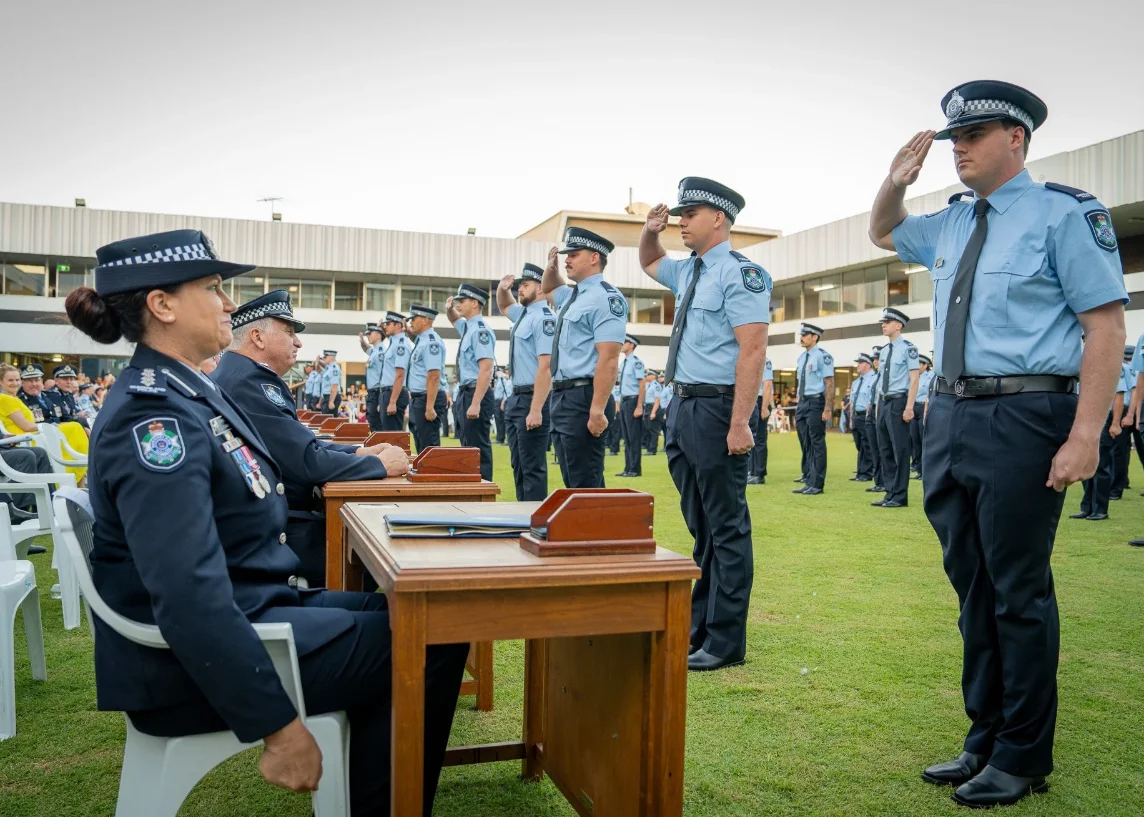
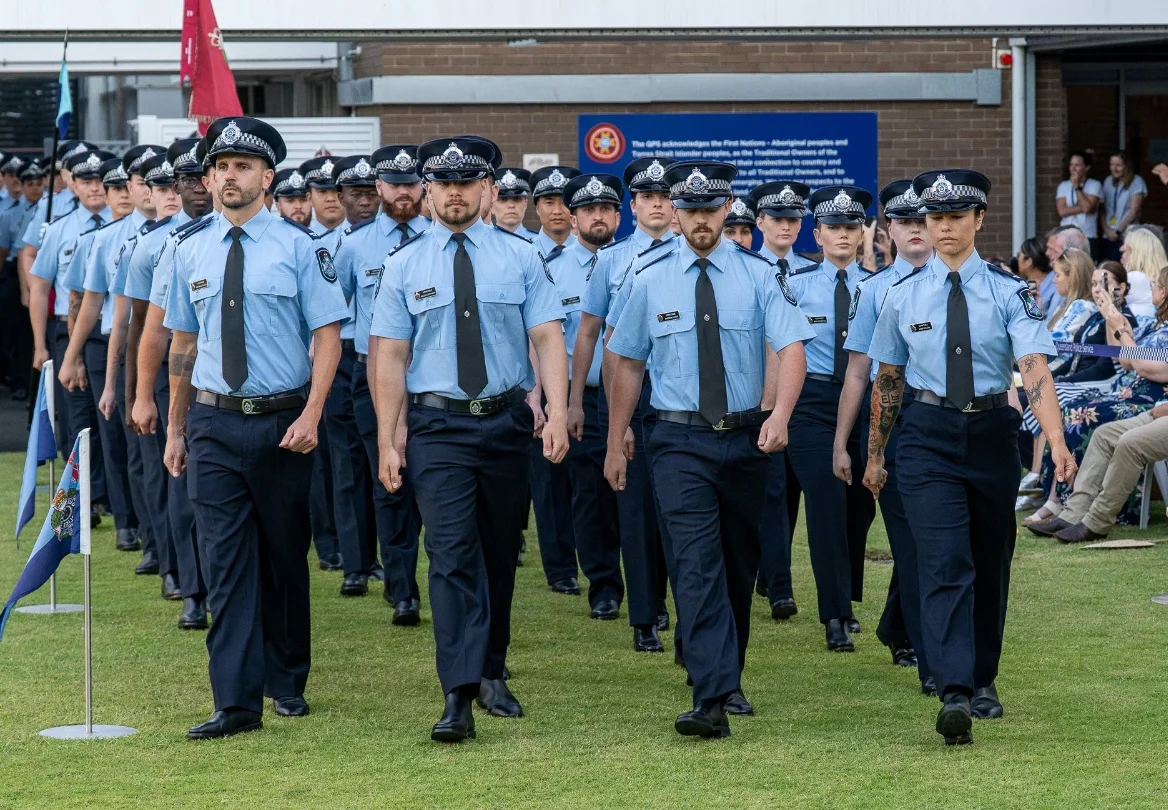
Springfield has received an additional frontline police officer following the graduation of 118 new constables, with further deployments also made across Ipswich and Goodna.


Graduation Marks Major Intake

A graduation ceremony held on 5 December, 2025 welcomed 118 new officers into the Queensland Police Service. The intake forms part of a high-volume recruitment year, bringing the total number of officers sworn in during 2025 to almost 1,200.

The graduates join more than 1,000 First Year Constables already inducted this year, with a final cohort scheduled to graduate later in December.

police deployment
Photo Credit: QPS

Deployments Across Ipswich and Springfield

As part of the Southern Region deployment, five officers have been assigned across the Ipswich district, with one officer allocated to Springfield, Ipswich, Goodna, Karana Downs and Yamanto. The placements contribute to increased frontline coverage across established and growing residential areas.

The wider Southern Region distribution also includes placements in Toowoomba, Gatton, Kingaroy, Dalby and St George, contributing to increased frontline coverage across both urban and regional areas.

Queensland Police
Photo Credit: QPS

Diverse Experience Among Recruits

The graduating officers range in age from 18 to 54 and bring experience from a wide range of professional backgrounds, including education, healthcare, defence, social services, hospitality and trades.

Recruitment activity during 2025 included record attendance at academy open days in Brisbane and Townsville, alongside the largest graduating cohort recorded in more than three decades earlier in the year.

Springfield police deployment
Photo Credit: QPS

Ongoing Recruitment and Training

Recruitment remains active, with more than 840 recruits currently undergoing training and over 1,160 applicants progressing through the recruitment process.


Future graduations are expected to continue increasing frontline capacity across Queensland, including Springfield, Ipswich and Goodna.

Published 5-Jan-2026

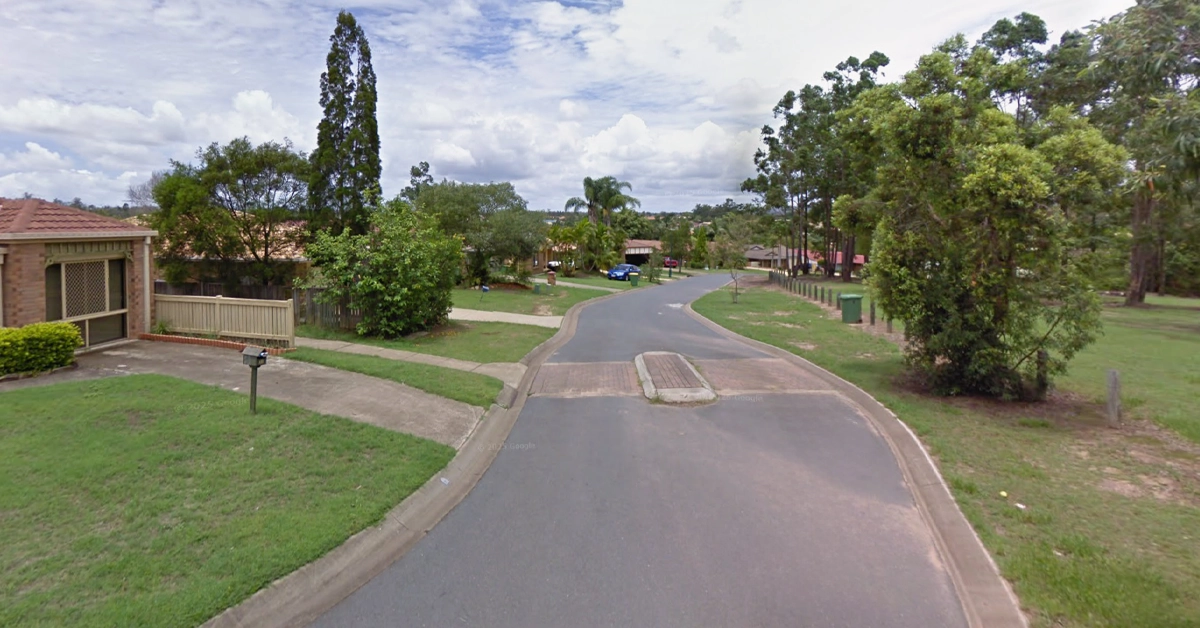
Eight Hospitalised After Boxing Day Fire Destroys Springfield Family Home

A Springfield family’s Christmas celebrations turned to catastrophe early on Boxing Day morning when a fire tore through their Peachface Crescent home, sending eight people to hospital.


Emergency services responded to the single-storey residence just after 5am on 26 December, where flames had already engulfed the property. The eight occupants, including extended family who had gathered for the holidays, managed to escape the inferno.

Five adults were transported to Ipswich Hospital, with two treated for smoke inhalation. Two others were taken to the Mater Hospital, whilst another person was admitted to Queensland Children’s Hospital. All patients were reported to be in stable condition.

Tanya Daylight, who has lived at the address for 10 years, described the terrifying moments as the fire took hold.

She recalled feeling the flames overhead and struggling to breathe as the fire consumed oxygen from the air around her. Ms Daylight said the family felt fortunate to have made it out alive, as she had feared they wouldn’t escape.

A family member indicated the fire may have been sparked by an e-scooter battery that was charging overnight. Two people reportedly arrived home in the early hours to discover the charger sparking and catching alight.

However, a Queensland Fire Department spokesman stated that the extent of damage to the property made it impossible to confirm the cause at this stage.

Ms Daylight issued a warning to others about the dangers of charging personal transport devices indoors.

The blaze claimed the lives of two family cats, Lexi and Amber, though three dogs—Marshmallow, Franklin and Rex—were found safe after initially being feared lost. Video footage captured the moment 18-year-old Chamerkah Turner was reunited with Franklin, a sausage dog who had crawled out of the wreckage.

Neighbours who were woken by screaming and explosive sounds rushed to assist the trapped family members.

Jack Houston, who lives next door, attempted to fight the flames with a hose before realising some family members remained in the backyard, unable to scale the fence. He and his partner Holly Hamlyn-Harris located a sledgehammer for the family to break through the fence panel.

Mr Houston explained that the mother couldn’t climb over the fence, prompting one of her daughters to use the sledgehammer to tear down a section so she could escape.

Ms Hamlyn-Harris described the experience as incredibly stressful and praised the daughters as heroes for their quick action in waking everyone and helping them escape. It’s understood one person suffered cuts after punching through a window to flee the burning home.

Another neighbour, Peter Spethman, said he was woken by screaming and popping sounds. He described seeing frantic people in the front yard before witnessing the entire roof collapse. Mr Spethman said the house went up extremely quickly, with nothing visible except smoke and flames.

The displaced family now faces the challenge of finding accommodation, with relatives noting they’ve lost phones, clothing and even shoes in the fire.

Understanding e-scooter battery risks

Lithium-ion batteries, which power e-scooters and similar devices, have become a growing fire concern across Australia. According to the Queensland Electrical Safety Office, these batteries should only be charged with approved chargers displaying the regulatory compliance mark, as using incorrect chargers can cause overheating and fires.

Fire and Rescue NSW data shows lithium-ion battery fires are amongst the fastest-growing fire risks, with authorities across multiple states reporting increased incidents involving e-mobility devices. Safety authorities recommend charging these devices during daylight hours when users are home and alert, rather than overnight or whilst unattended.


The Electrical Safety Office advises checking both the device and charger for any signs of damage before use, including cracked casings, discolouration or damaged cords.

Published 26-December-2025

Jade Ellenger Prepares For AFLW Prelim While Building A Nursing Career

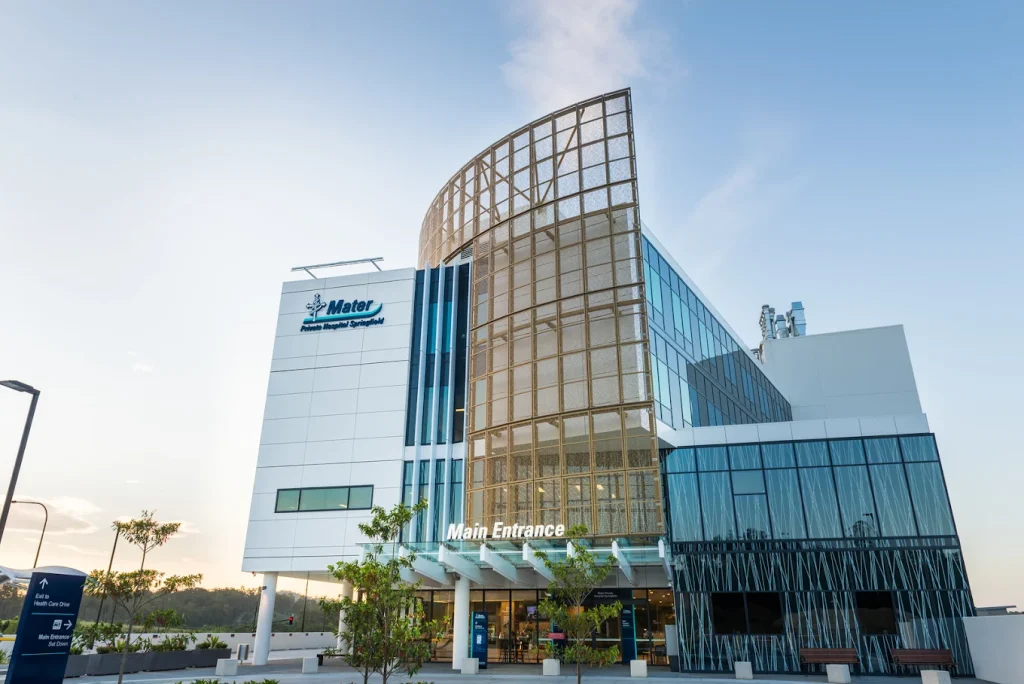
Brisbane Lions defender Jade Ellenger is handling two high pressure careers at once as she trains for a home AFLW preliminary final while working as a theatre nurse at Mater Private Hospital Springfield.


Building A Career In Healthcare

Ellenger is preparing for the finals after the Lions earned a week off following their win over Melbourne. Mater confirmed she joined the theatre team three months earlier, soon after completing a master’s degree in nursing at the University of Queensland at the end of 2024.

Photo Credit: jadeellenger/instagram

Mater Private Hospital Springfield reports that Ellenger works in the theatre recovery unit, supporting patients during difficult moments. Staff describe her as committed, and say her strong approach to football translates into the way she provides patient care. 

Photo Credit: Google Maps

The hospital sits close to the Lions training base at Brighton Homes Arena, which supports her ability to balance training and nursing shifts. She also lives nearby with four teammates, which helps her maintain a steady routine as the finals approach.

Ready For The Preliminary Final

Ellenger has played with the Brisbane Lions since 2018. She remains an important part of the back line, with reliable performances that include strong averages across the season. Her work helped the side reach the preliminary finals against Carlton. 

Photo Credit: jadeellenger/instagram

The team aims to secure another grand final spot after earlier premierships in 2021 and 2023. She was also named in the AFLW All Australian squad, reflecting the strength of her recent form.

Support From Both Sides

Mater leadership states they support her football duties and training needs. They describe her as committed, saying her approach on the field carries into her patient care. 

Photo Credit: jadeellenger/instagram

The close distance between her home, the hospital and the training venue supports her ability to handle both roles without long commutes. Her teammates also help her manage the combined workload during a busy period for the club.

Growth At Mater Springfield

Mater confirms its Springfield facility is undergoing a major expansion. A nine storey hospital is expected to begin operations in stages from April. The project will grow the workforce, with around 500 new staff to be recruited across services. 


The expansion is part of Mater’s plan to meet community needs in a growing region, with Ellenger joining at a time of significant development within the hospital.

Published 26-November-2025

Three School Projects Planned in Springfield and Ripley Valley

A campus addition to Springfield Central State High School and a new special school for the Springfield-Redbank area are part of education expansion plans for 2028 and beyond in high-growth areas.


School Projects in the Springfield Region

New Secondary Campus at Springfield Central State High School

A new secondary campus for Springfield Central State High School is planned to open between 2029 and 2030. The project, first planned for 2024, was postponed after enrolment growth stabilised. The site has been identified and planning work is under way, including design for additional classrooms and facilities. The opening year will be set in line with student demand.

Ripley Valley Primary School

A new state primary school in Ripley Valley is scheduled to open in 2028. It was originally planned for 2025 but delayed after enrolment growth and housing development progressed more slowly than expected. The project is in the planning phase, with the site identified and a design contract to be awarded. A budget allocation was made in the 2025–26 state budget to progress delivery.

Springfield–Redbank Special School

A new special school serving the Springfield–Redbank area is planned for 2028 and beyond. It is in the early stages of planning, with the final site and design yet to be confirmed. A budget allocation for this project was included in the 2025–26 state budget.

Springfield new schools
Photo Credit: Pexels

Planning Context

The Queensland Department of Education monitors enrolment growth across the state to determine when and where new schools are required. This includes assessing the capacity of existing schools, potential for expansion, population forecasts, and site availability.

The Springfield and Ripley Valley projects form part of a wider program of new schools planned for 2028 and beyond, aimed at meeting future demand in high-growth areas.

Queensland school projects
Photo Credit: Pexels

Next Steps


For Ripley Valley Primary School, design work will follow the awarding of a contract, with assessments to consider factors such as traffic, environmental impacts, and site conditions. The Springfield secondary campus and Springfield–Redbank Special School will continue through planning, with construction timelines to be set when enrolment demand meets required levels.

Published 12-Aug-2025