

Finding the Right Home: What Ipswich’s Disability Housing Figures Mean for Springfield

When Don moved from residential aged care into a specialist disability apartment in Springfield, he was able to return to something he loved: playing music.

Having studied at the Queensland Conservatorium, Don had long enjoyed the French horn and trumpet. His move into purpose-built accommodation gave him greater independence, opportunities to make friends and the chance to pursue personal ambitions, including writing a memoir about living with spina bifida and hydrocephalus.

His experience, documented by the National Disability Insurance Scheme (NDIS) in July 2020, illustrates how the right home can make a difference well beyond its physical features. For others seeking specialist disability accommodation, finding a place that meets their needs and personal preferences can be a complicated process.

A Home Beyond the Numbers

New figures published by Psych Connect, based on National Disability Insurance Agency (NDIA) data as at 30 June 2026, show that 224 participants across the Ipswich NDIS service district were using specialist disability accommodation (SDA). Another 159 were eligible but not using it.

The district, which includes Springfield and surrounding council areas, recorded 14,026 active NDIS participants. Compared with June 2025, SDA use increased from 205 participants, while the number eligible but not using it declined from 169. Utilisation among those two groups rose from approximately 54.8 per cent to 58.5 per cent.

Although the figures show improvement, they cannot explain the circumstances of individual participants or how many live in Springfield Lakes or Springfield Central. Nor do they establish that those not using SDA are homeless, waiting for accommodation or unable to find a suitable property. The difference between eligibility and actual use is a starting point for understanding housing choices, rather than proof of a shortage.


When Ordinary Tasks Take Too Much Effort

For Toowoomba resident Josh, the challenges of living in an inaccessible home were part of his daily routine. Before moving into specialist accommodation, he struggled to manoeuvre his wheelchair through his parents’ house. Reaching the bathroom meant turning through the laundry, while cooking and doing his own washing were difficult.

Those obstacles also affected how he managed his energy, particularly while dealing with fatigue. In an August 2025 account published by MS Queensland, Josh described how an accessible apartment and assistive technology had changed his daily life.

“Having everything within reach has increased my independence,” he said.

His new home allowed him to manage household tasks more easily, including controlling certain features through a phone application. By the time of the published update, Josh had graduated with a Bachelor of Human Services and Counselling and was preparing to establish his own counselling practice.

His experience shows how the design of a home can influence far more than physical access. It can affect the time and energy someone has for work, study and the activities they enjoy.

Springfield’s Own Housing Options

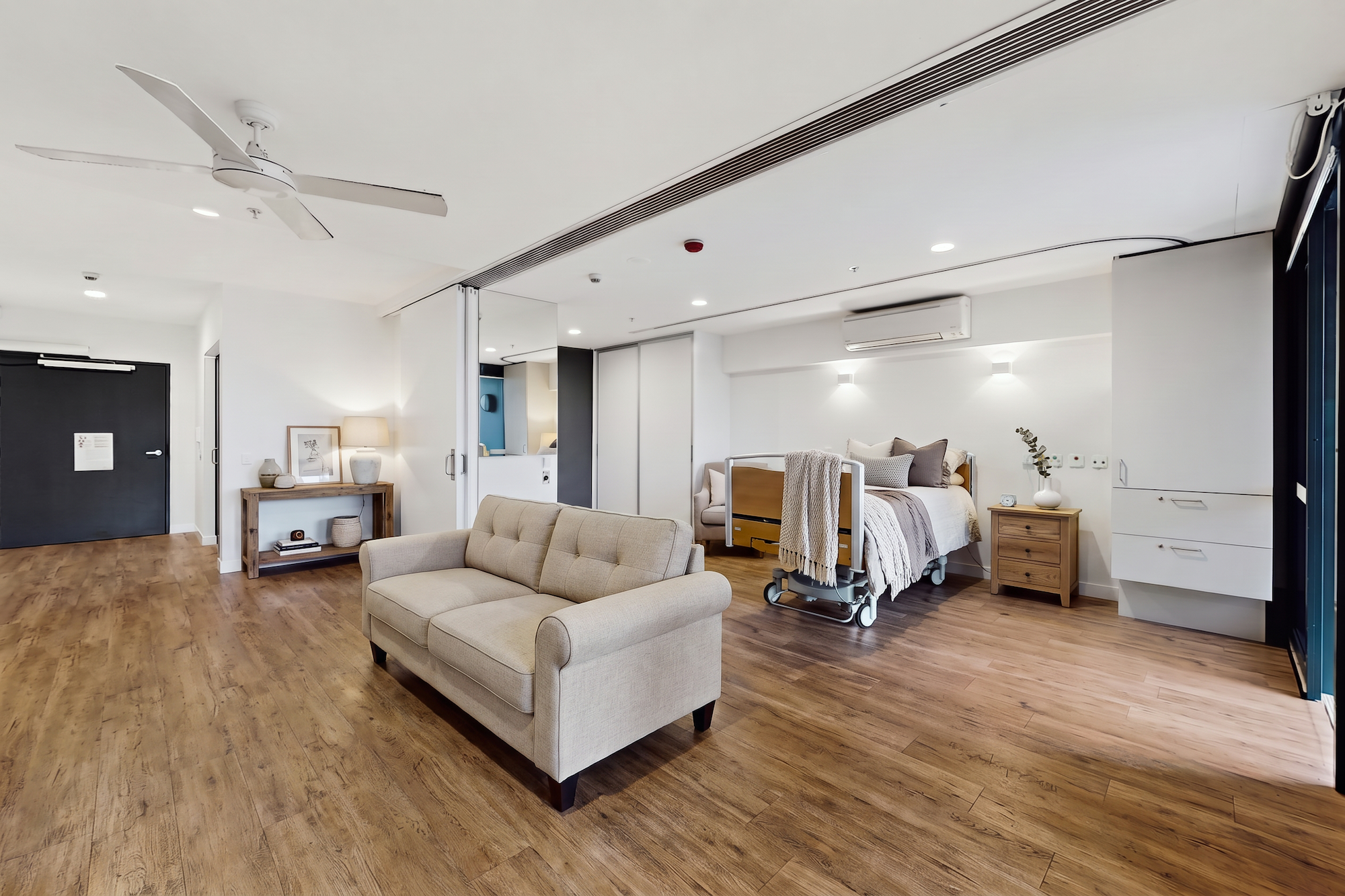
Springfield already has specialist accommodation developed for people with significant disability-related support needs. MS Queensland’s Springfield Apartments, where Don moved in 2020, form part of its Best Life Project, established to provide more independent living options for people who might otherwise remain in, or enter, residential aged care.

Published accommodation information describes accessible kitchens and bathrooms, provisions for specialist equipment and technology designed to help residents control aspects of their home environment. Vera Living is identified as the SDA provider, with MS Queensland providing disability support services. This description does not imply current vacancies.

Not every specialist property is designed for the same requirements. The NDIS recognises four SDA design categories: Improved Liveability, Fully Accessible, Robust and High Physical Support. SDA funding relates to the specialist dwelling, while Supported Independent Living (SIL), where approved, can fund assistance with everyday activities.

Photo Credit: MSQueensland

A Home Is Also About Where You Belong

For Springfield residents, staying close to family, friends, health services and familiar community activities may be as important as the accessibility of a property. Springfield Central’s rail connections, shopping facilities and health services offer local amenities, although their usefulness depends on each person’s mobility, transport options and support arrangements.

Living preferences differ. Some people want the privacy of their own apartment, while others prefer shared accommodation. Even a property that meets the necessary design standards may not be suitable if it is in the wrong location or cannot accommodate the support someone needs.

Don’s move involved coordination between his NDIS planner, support workers, therapists and support coordinator, rather than simply finding an accessible apartment. Reflecting on his experience in the NDIS account published in 2020, he said: “Now I can live my life to the best of my ability, the way I choose.”

Finding Somewhere That Fits

People exploring specialist disability accommodation in Springfield can use the official NDIS vacancy finder to search properties by location, building type and design category. An NDIS planner, support coordinator or local area coordinator can also help participants understand their funding and assess whether a property is suitable.

Not every available property appears in the finder, and advertised accommodation still needs to be considered against individual circumstances.


The latest Ipswich district figures show progress in SDA use, but the experiences of Don and Josh reveal what those numbers cannot capture. For them, suitable housing has meant being able to enjoy music again, manage ordinary household tasks more easily and make decisions about the lives they want to lead.

About the Data

The statistics cited in this article come from Psych Connect’s analysis of NDIA data as at 30 June 2026. The figures relate to the Ipswich NDIS service district, which includes Springfield and surrounding areas, and should not be interpreted as Springfield-specific totals. Eligibility for specialist disability accommodation does not necessarily indicate an unmet housing need.

Published 11-Nov-2026

$800-M Springfield Central Plan Adds Hotel, Apartments, and Sports Club

Springfield Central’s proposed $800 million City West precinct would combine a 160-room boutique hotel, about 200 apartments and a sports club with a retail development planned as the first stage of the project.


Read: Springfield City Site Sold For $50m As Village Plans Progress


Gold Coast developer Tim Gordon, who heads Gordon Corp, and businessman Bruce Mathieson are behind the proposal for a 12.7-hectare holding along Sinnathamby Boulevard. The plans extend beyond Springfield Village, the retail and lifestyle precinct outlined when the property changed hands earlier this year.

The $800 million figure represents the proposed value of the overall mixed-use development, rather than a confirmed construction budget. Details reported in October 2026 place the hotel, apartments and sports club among the later components of the project.

Hotel and Apartments Proposed for Later Stages

Photo credit: DA- 6641/2025/ADP

The residential component would comprise three apartment buildings containing approximately 200 homes. The proposed boutique hotel would have 160 rooms, while the sports club is intended to include bars, restaurants and event spaces.

The developer has identified these facilities as the final components of the masterplan sequence, following the retail stages. Construction dates for the hotel, apartments and sports club have not been confirmed, and their individual development approval status remains to be established.

Springfield Village to Lead Retail Construction

Photo credit: DA- 6641/2025/ADP

Springfield Village is planned as a 10,581-square-metre retail and lifestyle precinct anchored by a Coles supermarket. The wider development would also include large-format shops, convenience retail and hospitality businesses.

Gordon has reported commitments covering 90 per cent of the proposed large-format and convenience retail precinct. The figure relates to those retail components and does not establish that the entire City West development has secured tenants.

Civil works at Springfield Village were reported to be under way in October, although construction of the retail buildings had not yet started. The developer is targeting the first half of 2027 for Springfield Village construction, with the large-format and convenience retail precinct expected to follow around the middle of that year.

Earlier reporting identified mid-2029 as an anticipated opening period for Springfield Village. An updated opening date has not been confirmed.

Ipswich City Council Approves City West Masterplan

Photo credit: DA- 6641/2025/ADP

Ipswich City Council has approved the Master Area Development Plan for Development Area 9, Springfield City West Precinct, under application 6641/2025/ADP. The council’s Development.i register confirms that the application has been decided and approved, with the decision notice stage completed.

The approval establishes the planning status of the wider masterplan. However, it does not by itself confirm that the proposed hotel, apartment buildings and sports club have each received separate development or building approvals.

Council records also identify application 2965/2026/ADP, concerning a major shopping centre and medical centre, with associated operational works and advertising structures.

The City West holding was reportedly acquired by Gordon Corp and Mathieson’s interests from Springfield City Group for $50 million in July 2026. The purchase preceded the latest announcement outlining the wider mix of residential, hospitality and entertainment facilities.


Read: Billionaire Maha Sinnathamby Puts Large Springfield Property on the Market


The next stated milestone is the proposed start of Springfield Village building construction in 2027. Individual approval details and delivery dates for the hotel, apartments, and sports club remain unconfirmed.

Published 30-October-2026

Goodna Transport Advocate Robert Dow Remembered for His Rail Legacy

A long-time Goodna resident who turned university students’ transport frustrations into a statewide campaign for better public transport is being remembered for his influence on Queensland’s rail network and his commitment to everyday commuters.


Robert Dow, founder of Rail Back on Track, died on Tuesday, 6 October 2026, aged 75. His death prompted tributes from former transport ministers and fellow advocates who recognised his nearly two decades of campaigning for improved services across Queensland.

A Goodna voice for growing communities

Dow remained involved in transport issues affecting Ipswich and its surrounding suburbs. In 2024, he supported plans for a mass-transit corridor linking Ipswich and Springfield Central through growing communities including Ripley, Redbank Plains and Yamanto.

The proposed corridor included nine stations, although the transport mode had not been finalised. Dow favoured extending the existing railway from Ipswich towards Ripley, with further connections provided by rail or bus services. He argued that population growth demanded more frequent and dependable public transport.

Dow had also campaigned for the Springfield railway extension, which opened in December 2013. Former transport minister John Mickel recalled travelling with him to the line’s opening, acknowledging his persistence in advocating for the project.

His interest extended to existing railway infrastructure. In November 2024, Dow supported restoring passenger services through the Tennyson line, arguing that it could improve connections between Brisbane’s western and southern suburbs without forcing passengers to travel through the CBD.

Late students sparked a transport campaign

Dow’s advocacy began during his years as a lecturer and course coordinator at Queensland University of Technology. Around 2003 and 2004, he noticed students repeatedly arriving late because buses failed to appear or trains were delayed.

He raised the problem through a university forum, where discussions about unreliable services attracted support from colleagues. A colleague suggested the name Rail Back on Track, which Dow formally launched in 2006 after beginning his public campaigning earlier.

His interest in railways dated to childhood visits to Melbourne railway yards with his grandfather. Before entering university teaching, Dow served in the Australian Army, including in Vietnam, trained as a medical scientist and worked at the Mater Hospital.

Cheaper fares and reliable trains

Dow challenged decisions affecting both the cost and reliability of public transport. In 2013, he criticised a 7.5 per cent fare increase, arguing that repeated price rises discouraged passengers from using the network.

He later supported Queensland’s 50-cent fare trial in 2024, highlighting the wider benefits of reducing road congestion and transport costs. He also encouraged passengers to choose trains where available because of their greater capacity.

Following widespread Christmas Day train cancellations in 2016, Dow called for the Queensland Rail board to be replaced and discounted fares during the summer school holidays. However, he also acknowledged the technical difficulties of operating a railway, explaining during overhead electrical failures in 2023 that such incidents could occur even on properly maintained networks.

An advocate respected across political divides

Dow earned respect from transport ministers across successive Queensland governments, including those who disagreed with his recommendations.

Former transport minister Paul Lucas remembered his understanding of how the entire public transport network operated, while Scott Emerson acknowledged his commitment despite their occasional disagreements. Jackie Trad valued his contribution to a review of TransLink fares, and Rachel Nolan recalled his informed and constructive approach to policy discussions.

Dow maintained that Rail Back on Track was politically independent, supporting transport proposals on their merits rather than according to which party introduced them.

A community that carries on his work

Rail Back on Track was eventually succeeded by Better Transport Queensland, continuing its focus on public transport planning and passenger concerns. Its president, Rowan Gray, remembered Dow for creating a welcoming community where transport enthusiasts could exchange ideas and become involved in advocacy.

Dow’s friend Jeffrey Addison recalled his persistence and dedication to improving services for commuters, including those unaware of his efforts.


His campaigns stretched from fare affordability to railway expansion, including better connections between Ipswich and its growing suburbs. The concerns that first prompted a Goodna resident to speak up for delayed university students became the work of nearly two decades, leaving an enduring contribution to Queensland’s public transport debate.

Published 12-Oct-2026

Radar Technology Helps Reduce Breast Cancer Surgery Waits in Springfield Central

Breast cancer operations are being brought forward by several days at Mater Hospital Springfield, where radar technology is helping surgeons locate tumours more precisely without relying on metal guide wires inserted on the day of surgery.


The hospital, located in Springfield Central, is using a system called Savi Scout to guide surgeons towards cancerous tissue with accuracy of within one millimetre. The technology may also allow more healthy breast tissue to be preserved during an operation.

Mater Hospital Springfield
Photo Credit: Google Maps

Removing The Wait Before Surgery

Under the previous approach, patients needed a radiologist to insert a thin metal wire into the breast before their operation. The wire guided surgeons towards the cancerous tissue, but its position could change before surgery began.

Mater Hospital Springfield breast surgeon Dr Susan Bell explained that wires sometimes became dislodged between their insertion and the patient’s arrival in theatre, making them less reliable as surgical guides. The process also meant operating theatre schedules had to accommodate radiologists who were available to insert the wires on the same day.

Breast Cancer Awareness Month
Photo Credit: Mater

Savi Scout removes that scheduling requirement by allowing a small electronic marker to be placed in the breast at any time before surgery. Surgeons can then locate the marker during the operation without needing a radiologist to complete the procedure immediately beforehand. According to Dr Bell, the change has given surgical teams more flexibility when arranging theatre lists, allowing breast cancer patients to undergo operations several days earlier than they otherwise would.

A Small Marker With A Precise Target

The electronic marker used in Savi Scout is approximately one centimetre long and remains in position once placed inside the breast. During surgery, specialised equipment detects its signal and identifies the target location to within one millimetre, giving surgeons a more precise guide to the cancerous tissue. Dr Bell said the improved accuracy could reduce the amount of healthy breast tissue removed along with the cancer, potentially providing better cosmetic outcomes for patients.

Mater Hospital Springfield General Manager Suzanne Hawksley welcomed the additional treatment option, acknowledging the difficulties associated with a breast cancer diagnosis. She said improvements that could reduce waiting times or recovery periods were particularly welcome for patients. The technology has been highlighted during Breast Cancer Awareness Month in October, when attention turns to a disease expected to affect one in seven Australian women during their lifetime.


According to Mater, one in four Queensland women diagnosed with breast cancer receives treatment at one of its hospitals across the state. The Savi Scout system was funded through community donations raised by Mater Foundation, supporting access to more precise breast cancer surgery at Mater Hospital Springfield.

Published 6-October-2026

Springfield Central Construction Ramps Up as City Point Drive Roadworks Get Underway

Roadworks have begun around City Point Drive in Springfield Central, where construction advice attributed to BMD outlines plans for a new signalised intersection forming part of a future road connection towards Spring Mountain.


The notice says work will take place near City Point Drive, the Centenary Highway Exit 33 ramps and Sinnathamby Boulevard, with construction scheduled from 7 September 2026 to October 2027. Working hours are listed as 6:00 a.m. to 6:00 p.m., Monday to Saturday, with occasional night works potentially required.

The listed scope extends beyond the intersection itself to earthworks, drainage, utilities, retaining walls, street lighting and landscaping. Site establishment and investigations are expected to precede broader construction.

City Point Drive link has years of planning behind it

Ipswich City Council development records show the road connection has been planned for several years. 

Application 16505/2021/ADP covers an Area Development Plan permitting an upgrade of City Point Drive and construction of a new road identified as the Village 16 Link Road. Council records for land at 7010 Sinnathamby Boulevard in Spring Mountain also list the same application, linking the City Point Drive proposal with land further into Spring Mountain.

The new City Point Drive intersection is part of a future road connection towards West Hill Avenue in Spring Mountain. No confirmed opening date for the complete connection was identified in the publicly available material reviewed.

Springfield road network continues to expand

City Point Drive forms part of a broader Springfield transport network that has undergone major upgrades as the area has grown. Ipswich City Council has duplicated sections of Springfield Parkway and Springfield Greenbank Arterial from two lanes to four, with Stage 3 extending from Eden Station Drive to Sinnathamby Boulevard.

The Department of Transport and Main Roads describes Springfield Central as a major transport hub serving community, business, health, education and sporting precincts, with more than 30,000 people moving through the activity centre each day.


Separate work on Springfield Parkway Stage 2 is also progressing. Council has proposed construction from 1 September 2026 to December 2027, including further duplication of Springfield Parkway.

Published 7-Sept-2026

Six Years to Brisbane 2032: Inside Ipswich’s $200m Infrastructure Vision

Ipswich has officially entered the final six-year stretch to the Brisbane 2032 Olympic and Paralympic Games, using the milestone to frame a pitch that extends far beyond medals and packed stands. Facing rapid population growth, civic and business leaders are positioning the global event as a fixed deadline around which infrastructure, investment and long-term development can be pursued.


Mayor Teresa Harding reinforced those ambitions at a “Six Years to Go” gathering at Brighton Homes Arena. Council’s broader 2032 strategy uses the Games horizon to pursue transport, sporting, business and community projects intended to deliver benefits well beyond the event itself.

Stadium upgrades test legacy ambitions

At the heart of the city’s infrastructure push is the proposed $200 million North Ipswich Sport and Entertainment Precinct, which Council has described as a long-term vision for a major sporting and entertainment destination.

The project’s first substantial component is the $40 million Western Grandstand redevelopment, backed by a joint funding package comprising $20 million from the Australian Government and $10 million each from the Queensland Government and Ipswich City Council.

Construction is expected to begin in September 2026, weather and conditions permitting, with completion targeted for late 2027. The redevelopment is planned to deliver about 2,000 seats, team dressing rooms and upgraded player facilities, media and coaches’ boxes, improved public amenities and function space for up to 250 guests.

Beyond servicing local sport, council wants the broader precinct to strengthen Ipswich’s ability to attract major sporting events, concerts and festivals. Council is also separately promoting Ipswich’s sporting facilities to international teams seeking pre-Games training bases, with the aim of generating additional spending across accommodation, hospitality and local suppliers before competition begins.

Photo Credit: IpswichCC

Closing the accommodation deficit

Private-sector alignment with the city’s 2032 preparations is most evident in the CBD, where a major hotel development is being advanced to address a shortage of visitor accommodation.

Ipswich City Council has signed a development agreement for Ipswich Hotel Group to deliver a $53 million, seven-storey Hilton Garden Inn on council-owned land in Ellenborough Street, after the developer reached an agreement with Hilton.

An accommodation audit cited by council identified 515 short-term rooms across Ipswich, around 310 fewer than the city estimates will be required to meet Games-related and longer-term demand. The proposed 160-room hotel would more than halve that identified shortfall if completed as planned.

Council says the project is expected to employ about 150 construction workers and create approximately 50 permanent jobs after opening. Construction is planned to begin in late 2026, with completion targeted for late 2028.

The 2032 pipeline reaches into heavy industry

The construction pipeline associated with Brisbane 2032 is also influencing industrial investment.

At Swanbank, Future Forgeworks has broken ground on a modern steel mill designed to process recycled scrap using electric-arc technology and produce about 350,000 tonnes of reinforcing steel annually.

The company has said it wants to position the mill to supply Queensland’s pre-2032 construction boom, including Olympic-related building activity. Future Forgeworks expects the project to support more than 400 jobs during construction and more than 200 ongoing jobs once operational.

The significance for Ipswich extends beyond the Games themselves. If delivered as planned, the project would add major manufacturing capacity to the city while linking local industry to a broader infrastructure pipeline expected to continue well beyond 2032.

Springfield investment extends beyond elite sport

At Springfield Central, where Brighton Homes Arena is already confirmed as a Brisbane 2032 venue, the Brisbane Lions are proposing a complementary $45 million community sports hub.

The club says the project would include a new AFL-sized community oval, a two-lane running track, sports lighting, inclusive change facilities, a community pavilion and multi-purpose courts suitable for sports including wheelchair AFL, basketball and padel.

The Lions say funding support has been confirmed from the club and Ipswich City Council, while discussions continue with the Australian and Queensland governments. The development application remains before council, meaning the project still has planning and funding steps to clear before construction can proceed.

The proposal reflects the broader legacy argument being made across Ipswich: that investment momentum surrounding the Games should also produce facilities capable of serving local clubs, families and a growing suburban population long after the Olympic and Paralympic flame has been extinguished.

Six years to turn plans into lasting gains

The six-year countdown now gives Ipswich a clear measure against which its legacy ambitions will be judged.


Brighton Homes Arena’s Games role is established, funding for the Western Grandstand is in place, and major private projects including the Hilton Garden Inn and Swanbank steel mill are moving through development and construction. Other proposals, including the Brisbane Lions Community Hub and later stages of the North Ipswich precinct, still depend on further approvals, funding or government support.

Published 19-Aug-2026

Nightingale Specialist Suites to Rise Across Springfield’s New Public Hospital

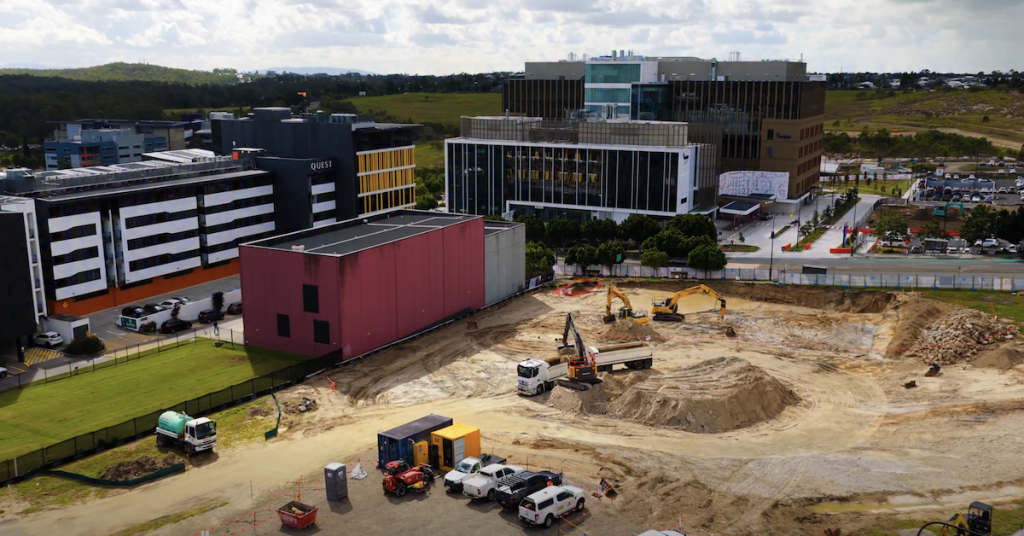
A new specialist medical complex is under construction opposite Mater Hospital Springfield, adding another major project to the Health City precinct. Springfield City Group says the Nightingale Specialist Suites are due for completion in mid-2027.


The purpose-built development will provide space for doctors, medical specialists, imaging providers and other health practitioners. It follows the opening of Mater’s new 186-bed public hospital beside Mater Private Hospital Springfield, further expanding the concentration of healthcare services in Springfield Central.

Four levels of specialist consulting rooms planned

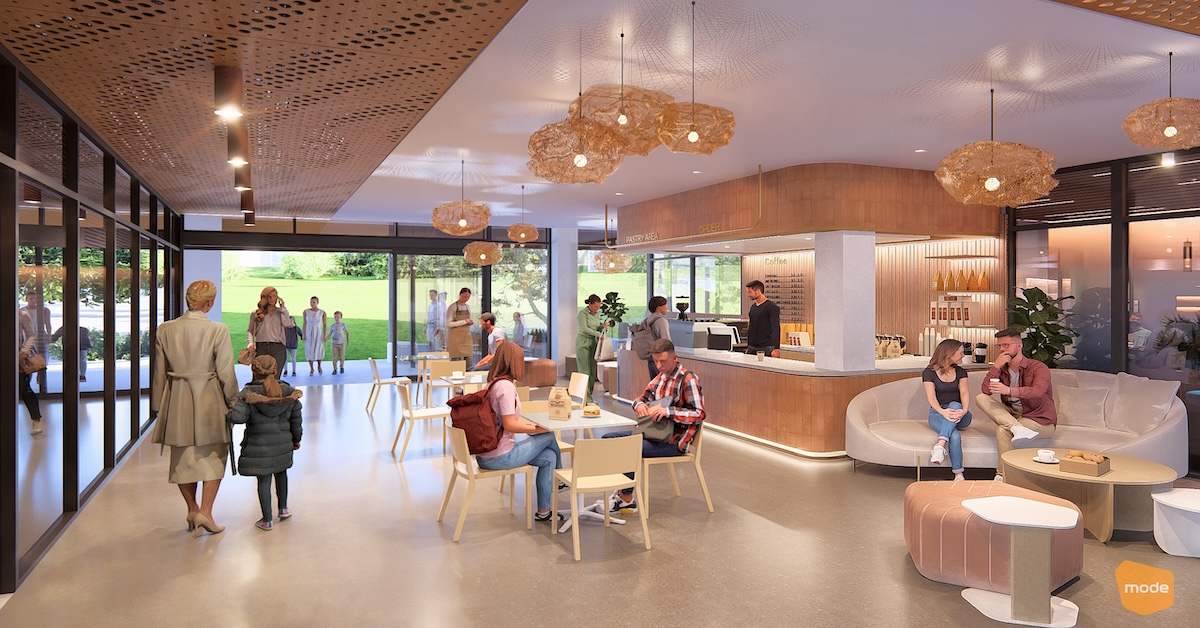
Architectural firm MODE designed Nightingale Specialist Suites as a dedicated medical-suites development. Its plans include GP and medical imaging facilities on the upper-ground level, with 40 specialist suites spread across the four floors above.

Each consulting level is expected to contain 10 tenancies. The design also includes one level of basement parking, direct vehicle access to the upper-ground lobby and a prominent main entrance marked by a corner feature and awning. MODE describes Nightingale as the first of three developments planned around a landscaped pedestrian spine. 

Woollam Constructions is delivering Nightingale for Springfield City Group. The privately owned Queensland company traces its history to 1884 and has delivered health, education and commercial projects.

Construction is underway, with Springfield City Group targeting completion in mid-2027. 

Mater expansion reshapes Springfield’s health precinct

Mater began opening its new Springfield public hospital in stages on 13 April 2026. The emergency department and paediatric unit started operating on 25 May, completing the staged opening of the 186-bed facility.

Mater expects the hospital to care for about 185,000 patients each year. Its services include emergency care, intensive care, maternity, paediatrics and six operating theatres.

The public hospital operates beside Mater Private Hospital Springfield, which has 80 private beds. The private facility also provides day surgery, four digitally integrated operating theatres and cancer care services.

Together, the public and private hospitals give Springfield a broader range of acute, surgical and planned healthcare services. Nightingale is intended to add specialist consulting rooms close to both facilities, although the final mix of services will depend on which practitioners commit to the building.

Population growth drives demand for healthcare

Nightingale Specialist Suites forms part of continued health-related investment in Greater Springfield. Ipswich City Council promotes health, education and innovation as important sectors within the area’s economic base.


Council data shows that Ipswich reached 270,624 residents on 1 January 2026. Over four years, the larger Springfield region grew from 33,333 to 38,415 residents.

The projected growth is expected to increase demand for hospitals, general practices, diagnostic services and specialist care. It is also adding to wider transport and infrastructure demands across the region.

Get Up Close with the Brisbane Lions at Free Springfield Training Session

Springfield Lakes families have a rare chance to watch the Brisbane Lions train live at their home ground during the school holidays, with the club opening Brighton Homes Arena to fans for a free morning session.


Gates open at 8.30am on Tuesday 7 July at 16 Eden Station Drive in Springfield Central, just over 100 metres from Springfield Central Station — which the club describes as the closest train station of any similar venue in Australia. For local families, it’s an easy, unticketed morning out with free entry at the gate.

The Lions are one of the competition’s premier clubs, and watching them prepare at their own training ground is a different experience from game day. The session puts fans on the grass level with the players, watching them work through drills and conditioning before the crowd gets access for photos and autographs.

Getting close to the players after the session

The real drawcard for young supporters is what happens after training wraps up. Players come off the track and are available for selfies and autograph signing, giving kids the kind of up-close access that is not available on a match day when the action never stops.

Pull on the maroon, blue and gold and come ready with a phone charged and, if the kids have one, a piece of Lions merchandise to get signed.

The Lions encourage fans heading to Brighton Homes Arena to build in a bit of time before 8.30am, particularly if travelling by car. Limited street parking runs along Australia Avenue, and the P3 carpark sits on the northern side of Eden Station Drive.

The Springfield Park ‘n’ Ride on Springfield Greenbank Arterial is a larger multi-storey option for those who prefer covered parking.

Coming by train or bus

For families who want to skip the parking entirely, Springfield Central Station puts you literally steps from the venue. Train services run regularly from the CBD, and the journey from Roma Street takes around 45 minutes. Bus routes 526, 527 and 528 also service the Springfield Central and Orion Shopping Centre precinct for those coming from nearby suburbs.

For a tailored trip plan, use the Translink Journey Planner and enter Brighton Homes Arena as the destination.

Roar Espresso is open for the visit

The arena’s on-site café, Roar Espresso, will be open throughout the morning. They run an all-day menu with everything from takeaway snacks to sit-down meals, so you can grab a coffee while the kids watch the team on the track

Accessible parking is available at Springfield Central Station and in the Park ‘n’ Ride, with covered accessible spaces on a first-come basis. For full transport and venue information, visit lions.com.au or brightonhomesarena.com.au.


Published 1-July-2026

Orion Springfield Central Rewinds the Clock for a ’90s School Holiday Adventure

Remember spending Friday nights choosing a movie from the local video store or carrying a Walkman loaded with favourite songs? Orion Springfield Central is bringing those memories back through The Rewind Room, a new immersive attraction celebrating the culture and everyday experiences of the 1990s.


There was a time when Friday afternoons meant a trip to the local video store. Families wandered the aisles searching for the perfect movie, friends swapped CDs and cassette tapes, and arcade games drew crowds eager to beat the high score. The 1990s were filled with moments like these. While technology has transformed daily life in the decades since, memories of the era continue to hold a special place for those who grew up during it.

The Rewind Room, running from 19 June to 12 July, transforms part of the Springfield Central shopping destination into a series of interactive spaces inspired by everyday life during the decade.

The experience is part of their NowStalgia winter campaign, which aims to bring together many of the decade’s most memorable aspects, including music, movies, fashion, games and popular culture. It hopes to create something that feels familiar to those who remember the era while remaining entertaining for first-time visitors.

From VHS Tapes to Walkmans: Inside The Rewind Room

The Rewind Room takes visitors on a journey through a collection of themed spaces that reflect different aspects of life in the 1990s.

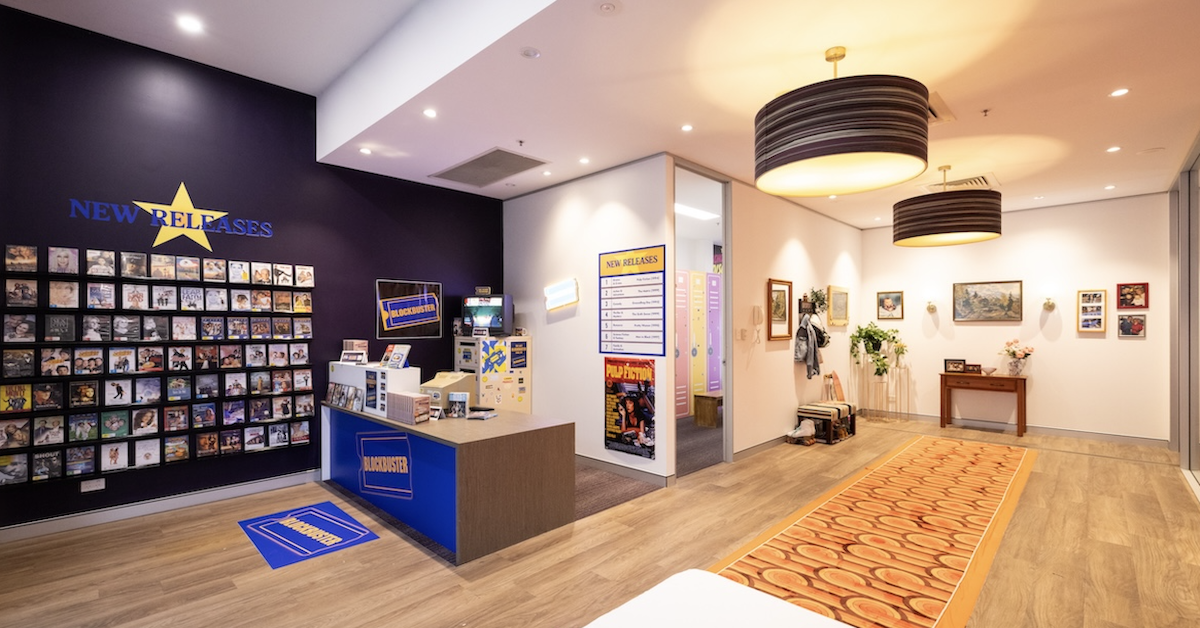
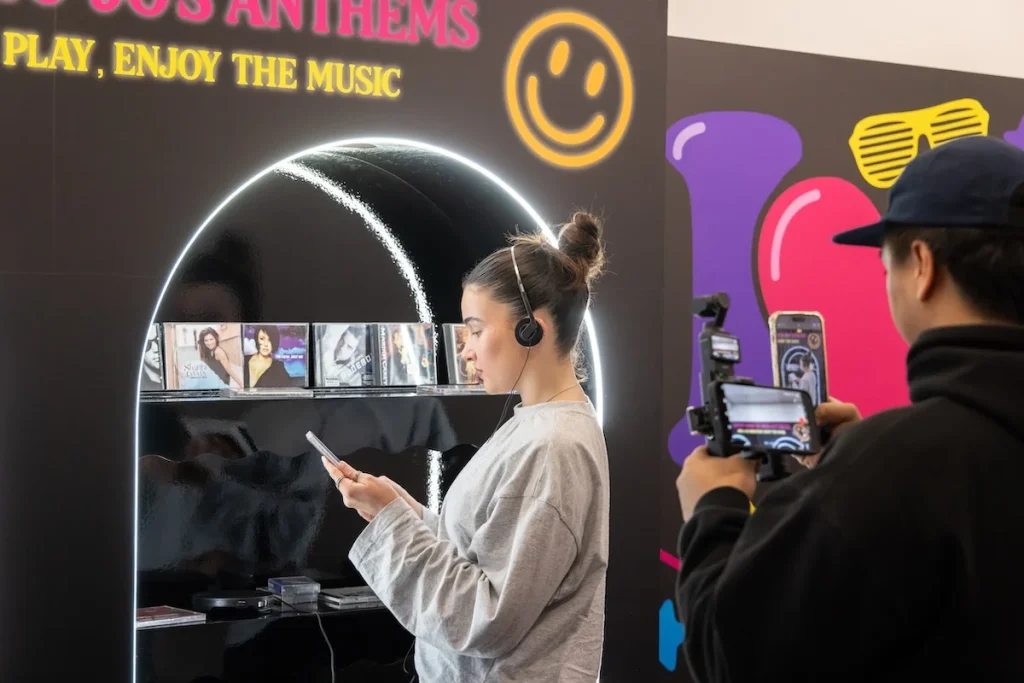
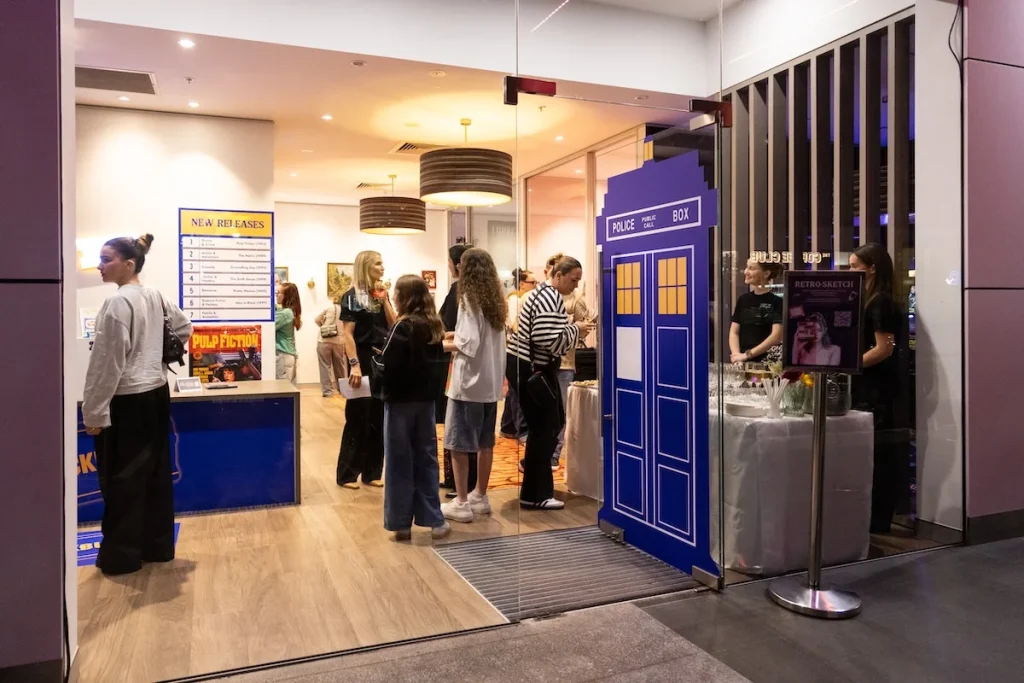
One of the centrepieces is a video store inspired by Blockbuster, the once-dominant movie rental chain that became a symbol of home entertainment before streaming services changed the industry. In the past, browsing shelves packed with film covers was a regular weekend activity, making the recreation an instant reminder of a different era.

Photo Credit: Supplied

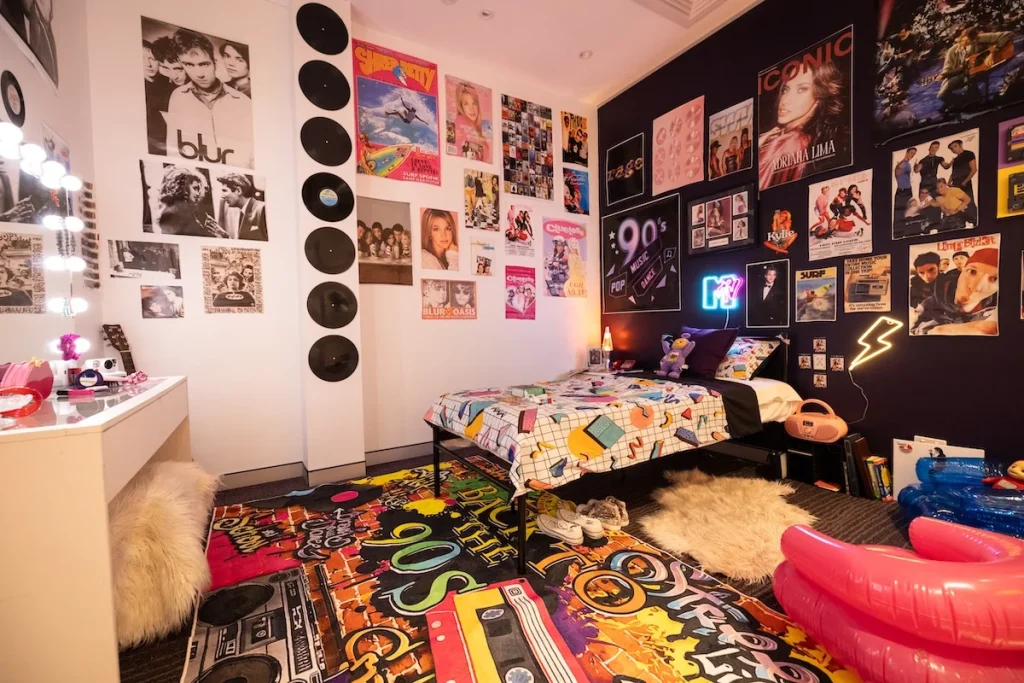
The experience also includes a 90s hallway and teen bedroom, spaces designed to capture the look and feel of homes during the decade. Visitors can continue through a school locker zone before stopping at retro arcade and board games that were popular long before smartphones and online gaming became part of everyday life.

Photo Credit: Supplied

Music fans can explore a karaoke space and revisit portable listening devices through a Walkman-themed area. The journey finishes in a nostalgic 90s kitchen, bringing together another familiar setting that many visitors may remember from childhood.

Photo Credit: Supplied

Rather than focusing on a single trend, the attraction draws together several aspects of 1990s culture, allowing visitors to move through spaces that reflect entertainment, music, fashion and everyday family life.

Why the 1990s Continue to Capture Attention

Nostalgia has become a growing force in popular culture. Fashion trends from the 1990s continue to return to shop shelves, classic video games remain popular, and television programs and films from the decade regularly find new audiences through modern streaming platforms.

Part of that appeal comes from the memories attached to everyday experiences. While major world events help define an era, people often remember smaller details: the music they listened to, the games they played with friends and the places they spent time after school.

The Rewind Room taps into that connection by focusing on recognisable moments rather than simply displaying objects from the decade. It has been designed as an interactive experience.

For parents, the experience offers an opportunity to share a piece of their own childhood with their children. Younger visitors, meanwhile, can discover technologies and trends that were once common but have largely disappeared from daily life.

Photo Credit: Supplied

Orion Springfield Central Centre Manager Mel Kite said The Rewind Room is about creating an experience that feels both familiar and surprising.

“The 90s was such a memorable decade for music, movies, fashion, games and pop culture, and The Rewind Room brings all of that energy together in a way that is playful, interactive and highly shareable,” said Kite.

“Whether you grew up in the 90s or are discovering it for the first time, this is a fun school holiday experience for families, friends and anyone who loves a good throwback moment.”

Entertainment with a Community Focus

The Rewind Room is also linked to a charitable cause.

Entry costs $5 per person, with proceeds going to The Hope Hub, a Queensland-based organisation that provides support and assistance to people experiencing hardship.

Photo Credit: Supplied

Visitors can continue the retro theme elsewhere within the centre through Retro Sketch, located in the Target Mall, where guests can receive a complimentary magnetic-style sketch delivered directly to their phone.

The centre is also running a winter promotion that offers shoppers the opportunity to enter for a chance to win a $15,000 holiday after spending $10 and completing an online entry.


The Rewind Room will run until 12 July on Main Street at Orion Springfield Central.


Published 19-June-2026

First Baby Born at Mater Hospital Springfield as Families Gain Local Maternity Care

For years, many expectant parents in Greater Springfield packed hospital bags knowing one thing for certain — when labour began, they would likely face a long drive out of their own community. That changed as Mater Hospital Springfield began delivering maternity services locally, giving western corridor families access to birthing and neonatal care close to home for the first time.


A Baby Named “Wishing Star” Marks Historic First Birth

On 11 May 2026, Mater Mothers’ Springfield officially began operating from level five of the new public hospital at Springfield Central.

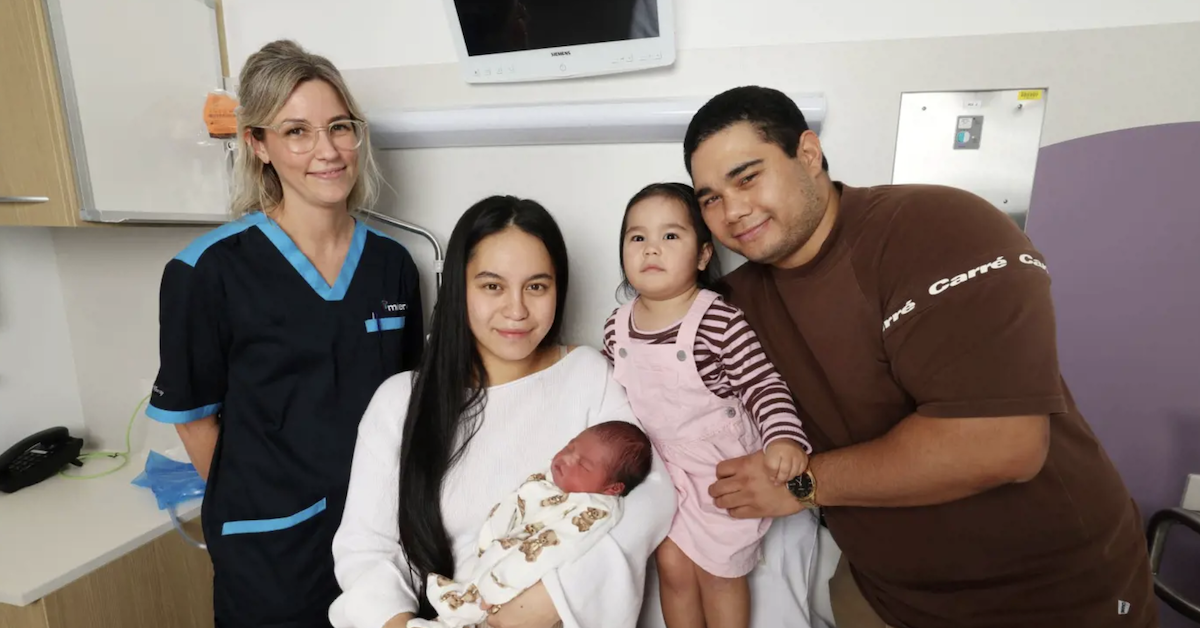
Hiwa-i-te-Rangi Broughton, whose name means “wishing star”, became the first baby born at Mater Hospital Springfield. Her parents, Miriama and Remedi Broughton, reached the maternity unit just hours earlier after labour began unexpectedly at their Spring Mountain home.

Miriama realised the baby was coming earlier than expected when contractions woke her while she was 38 weeks pregnant. Living only minutes from the hospital meant the family could quickly reach the new maternity unit at Health Care Drive in Springfield Central.

The Broughtons were admitted to one of the hospital’s six birthing suites, where staff gathered to witness the first delivery. Miriama said the atmosphere inside the ward felt special, with midwives eager to be part of the milestone moment as the hospital welcomed its first newborn.

After around 90 minutes of pushing, Hiwa-i-te-Rangi was born weighing 3.77 kilograms, delighting her parents and older sister, two-year-old Te Waimaringi.

Hospital staff celebrated the birth with flowers, gifts and a complimentary Brisbane Lions membership for the newborn, marking the occasion as a major moment not only for the family but also for the wider Springfield community.

Mater Hospital Springfield General Manager Suzanne Hawksley described the newborn as an instant favourite among staff and said the birth represented the beginning of a new chapter for local healthcare in the western corridor.

A Long-Awaited Change for Springfield Families

For many residents, the opening feels less like the arrival of a new building and more like the closing of a long-standing gap in daily life. Now, families can move through pregnancy, birth and postnatal care within their own community.

The new maternity unit forms part of the wider Mater Mothers’ Springfield service, which includes specialist midwifery support, nursing care and neonatal services for babies born prematurely or requiring urgent treatment.

Two of the birthing suites include birthing baths, mood lighting and Bluetooth connectivity, while the Neonatal Critical Care Unit has capacity for 16 newborns needing advanced medical care.

A short drive away, Mater Health Hub Springfield is also expanding services for new mothers through breastfeeding clinics, physiotherapy appointments and the Fourth Trimester Essentials program, which focuses on early parenting support, recovery and maternal wellbeing after birth.

Hospital Gradually Comes to Life

The maternity launch is part of a staged opening process that began in April across the nine-storey public hospital. Rather than bringing every department online at once, Mater introduced lower-complexity services first while staff tested systems, workflows and patient care processes before moving into more intensive clinical operations.

Operating theatres, pathology, pharmacy services, outpatient clinics, medical wards and antenatal services are already running onsite. More than 100 staff completed training and simulation exercises before each department opened.

The Emergency Department and paediatric ward are still to come, with both scheduled to begin operating on 25 May 2026.

When fully operational, Mater Hospital Springfield is expected to include 186 public beds, a 54-bay Emergency Department and enough capacity to manage around 185,000 patient presentations annually.

Built for a Region Growing Faster Every Year

The scale of the hospital reflects the pace of growth across the western corridor.

Developed through a partnership between Mater and the Queensland Government, the project represents a $1 billion investment in healthcare infrastructure for Greater Springfield and surrounding communities. Construction was completed by John Holland, with more than 1,000 staff expected to work across the facility, including over 500 nurses and midwives and more than 130 doctors.

Mater has been part of Springfield since 2015, when Mater Private Hospital Springfield became the city’s first hospital. The adjacent public hospital now expands that footprint into a much larger health precinct designed to serve the growing population across the western corridor.

Hospital leaders said the new facility was built to meet increasing demand as more families settle in the region each year.


The maternity service alone is expected to support around 1,700 births annually once fully established. While maternity services are now operating, the hospital’s full rollout is still continuing.

Published 11-May-2026