


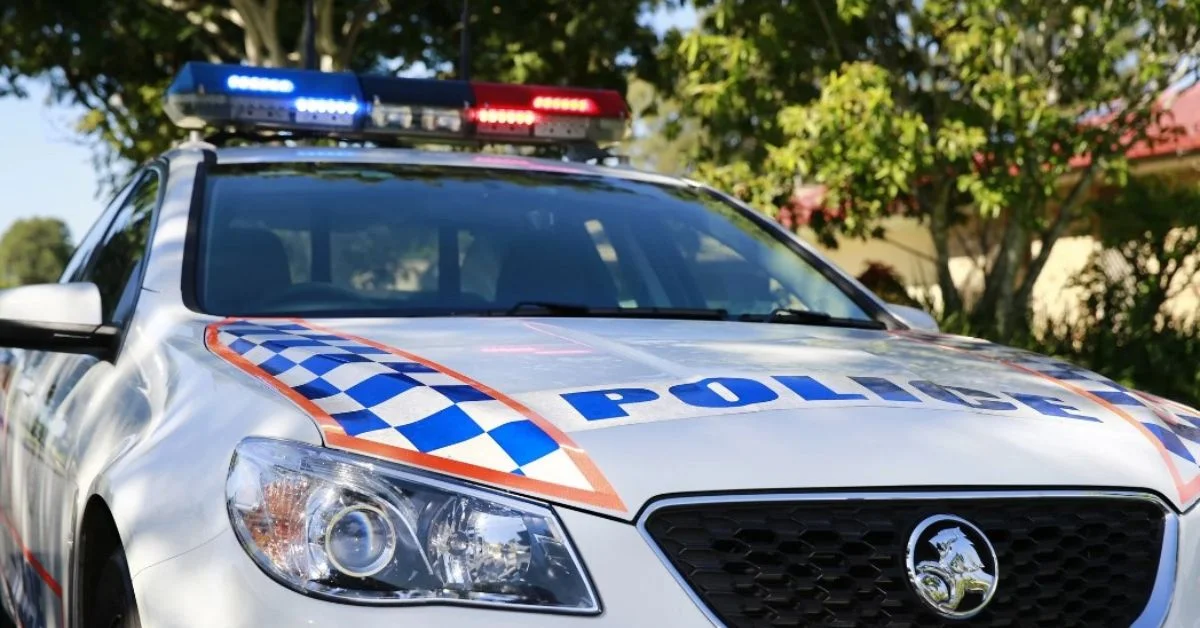
Authorities are ramping up enforcement against organised e-bike “rideouts” occurring weekly across South East Queensland. Officers are specifically targeting areas in Springfield and neighbouring Ripley, where they allege youth groups use social media to coordinate group rides on non-compliant, high-powered devices.
Chief Superintendent Mark Wheeler, from the Queensland Police Road Policing and Regional Support Command, confirmed that the service is allocating extra resources to Springfield, Ripley, North Lakes, Mango Hill, and the Gold Coast. Specialised teams now use digital intelligence to enact targeted responses to these gatherings.
Police allege that footage uploaded online shows groups using devices reaching speeds of 90 kilometres per hour, performing one-wheel stunts, and riding in large convoys through suburban streets.
Digital Monitoring and Police Strategy
QPS monitors these activities through its Digital Intelligence Coordination and Engagement (DICE) team. This unit tracks rideout announcements and helps coordinate the operational response. Online posts frequently discuss police patrol locations and offer tips on how to avoid interception.

Authorities describe these behaviours as posing a significant risk to the community. Officials emphasize that youth groups on e-devices are considered vulnerable road users who endanger themselves and the public when they disregard standard road rules.
Safety Trends and Operation X-Ray Surety
Following 14 e-mobility fatalities across Queensland in 2025, authorities launched Operation X-Ray Surety. This statewide enforcement campaign ran from 3 November 2025 to 26 January 2026 to curb rising road trauma.
Between 3 November and 23 December, police issued 2,124 fines related to e-mobility devices. The most common offences included:
- Failure to wear a helmet: 1,652 fines
- Use of prohibited roads: 207 fines
- Carrying passengers: 72 fines
Chief Supt Wheeler suggested that Christmas gift-giving likely increased the number of these devices on the road. He urged parents to ensure any e-bike they purchase complies with Queensland law, which requires motors to cut off at 25 kilometres per hour and limits power output to 250 watts.


North Lakes and Mango Hill Context
Springfield and Ripley Context
Springfield and Ripley sit within Ipswich’s rapidly developing Greater Springfield region, approximately 23 kilometres southwest of Brisbane CBD. The area’s master-planned communities include extensive cycling paths and recreational infrastructure that attract e-bike users, though illegal high-powered devices exceed specifications for safe use in shared spaces.
Springfield’s population has grown from approximately 5,000 in 2003 to over 70,000 across Greater Springfield suburbs including Springfield, Springfield Lakes, Springfield Central, Brookwater, and Augustine Heights. The rapid development created suburban street networks where youths organise group rides.
Ripley, located west of Springfield, underwent similar master-planned development through the early 2000s. The Centenary Highway extension to Ripley completed in 2008 improved connectivity whilst creating additional road infrastructure where non-compliant e-bike activity occurs.
Both suburbs contain substantial youth populations. The demographic profile contributes to e-bike adoption amongst teens seeking transport independence before obtaining driver licences.
Legal Requirements and Potential Penalties
Queensland law classifies any e-bike exceeding 250 watts or a 25 km/h assisted speed as a motor vehicle. Consequently, these devices require registration, insurance, and a valid motorcycle licence.
Riders of non-compliant devices face a ‘compliance package’ of fines that can exceed $1,600, covering registration, insurance, and licensing offences simultaneously.
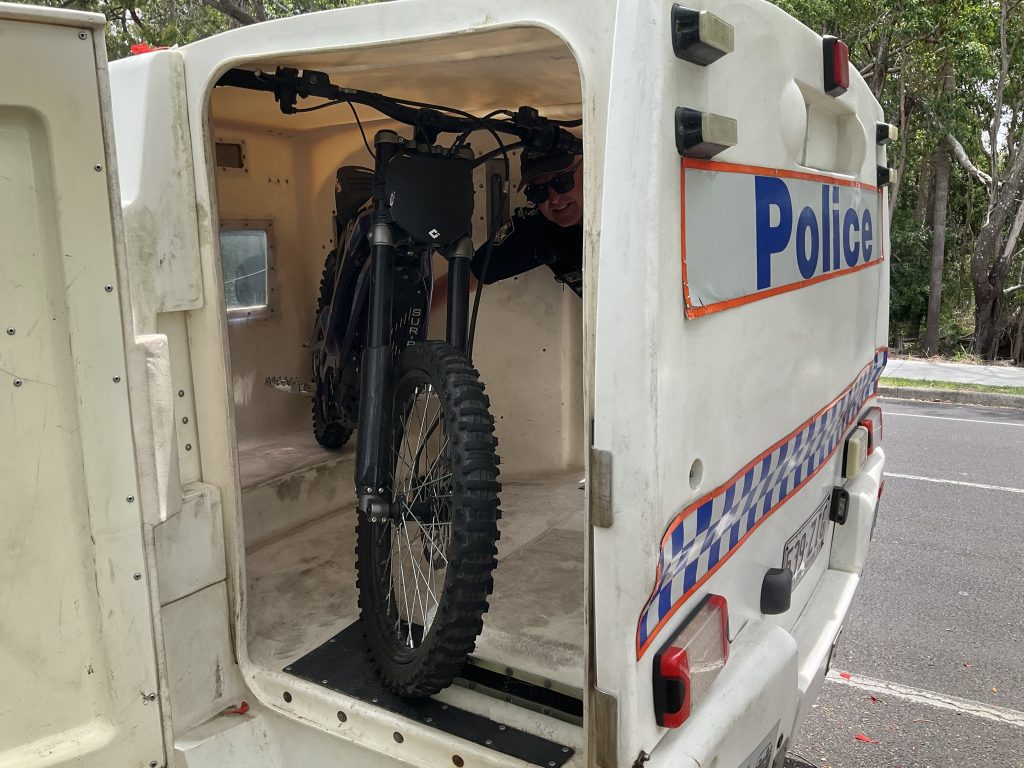
Police hold the authority to impound devices suspected of being involved in an offence. While owners can often go to court to seek the return of their property, a magistrate may order the permanent forfeiture or destruction of devices that are heavily modified or deemed a persistent public risk.
Community Views and Infrastructure
Community sentiment remains divided. While many residents express frustration with dangerous riding, others advocate for better infrastructure. Some community members suggest that the Brisbane 2032 Olympics provide an opportunity to build dedicated high-speed cycling networks that could safely accommodate evolving e-mobility technology.
Critics of the current crackdown argue that the speed capabilities of some modern devices—reaching up to 100 km/h—require them to be regulated as motorcycles rather than bicycles. Meanwhile, police continue to encourage residents to report dangerous behaviour or organised rideouts via Crime Stoppers.
Published 08-February-2026.