





For Springfield mother Nicole Lloyd, the thought of pregnancy once came with more anxiety than excitement. Living with Type 1 diabetes meant she knew her pregnancies would require close monitoring and carried greater risks for both her and her babies. But after taking part in an Australian-first care program at Mater Mothers’ Hospital, she said the experience was far more personal and empowering than the standard model she had previously received.
Read: First Baby Born at Mater Hospital Springfield as Families Gain Local Maternity Care
Ms Lloyd participated in Mater’s Obstetric Medicine Midwifery Group Practice during two of her three pregnancies. Unlike traditional hospital care, where women may see different clinicians throughout their pregnancy, the program pairs expectant mothers with a dedicated midwife while also providing specialist obstetric medicine support for complex pregnancies.
The approach was developed specifically for women with pre-existing Type 1 and Type 2 diabetes, who have historically been unable to access Midwifery Group Practice because their pregnancies are considered high risk. For Ms Lloyd, having one familiar midwife throughout her pregnancy made a meaningful difference. Rather than repeating her medical history at each appointment, she said her care felt consistent and centred on her individual needs. She also felt she had greater involvement in decisions about her pregnancy and birth, something she found lacking during her earlier experience under standard care.
A New Way to Support High-Risk Pregnancies
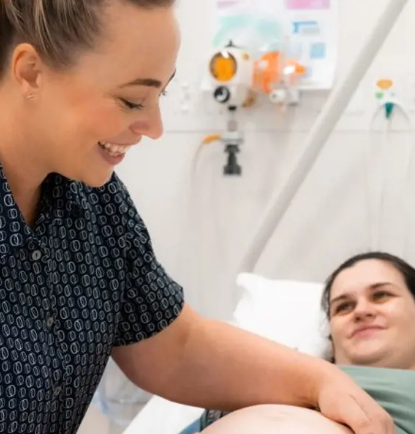
The model is based at Mater Mothers’ Hospital and combines the continuity of Midwifery Group Practice with specialist obstetric medicine, allowing women with diabetes to receive coordinated care from pregnancy through to the postnatal period.

Mater researchers developed the initiative to provide more coordinated care for women with diabetes, who often receive treatment across multiple services and clinicians during pregnancy. Under the new model, a dedicated midwife remains part of the woman’s care team, attending appointments with specialists and helping coordinate treatment across disciplines.
Associate Professor Shelley Wilkinson, who co-led the research alongside Associate Professor Jo Laurie, said women with diabetes face a greater chance of complications during pregnancy, including premature birth, babies with higher birthweights, neonatal intensive care admissions and surgical deliveries.
She said the program was designed to ensure women remained at the centre of their care while maintaining access to the specialist support required for higher-risk pregnancies.
Before introducing the program, researchers gathered baseline data from women receiving conventional care. That information helped shape the pilot and provided a benchmark for evaluating whether the new approach improved outcomes.



Research Shows Promising Results
The first formal evaluation of the program has now been published in the Australian and New Zealand Journal of Obstetrics and Gynaecology.
Researchers compared outcomes for 38 women enrolled in the Obstetric Medicine Midwifery Group Practice with 56 women who received standard care.
The study found babies in the new program were born at an average gestational age of 37.4 weeks, compared with 36 weeks under standard care. None of the babies in the program were born small for their gestational age, and more than 70 per cent of mothers were breastfeeding when discharged from hospital, an increase from 58.9 per cent among women receiving conventional care.
Read: Mater Hospital Springfield Takes Shape as Doctors Begin Onboarding
The researchers concluded that combining specialist obstetric medicine with continuity of midwifery care improved both clinical outcomes and women’s experiences during pregnancy. All women enrolled in the program also receive postnatal care at home as part of the model. Mater’s research team is now exploring opportunities to expand the model to support women with other complex and chronic health conditions.
The findings suggest coordinated maternity care may benefit women with pre-existing diabetes, including families from communities such as Springfield who access specialist maternity services at Mater.
Published 12-July-2026