




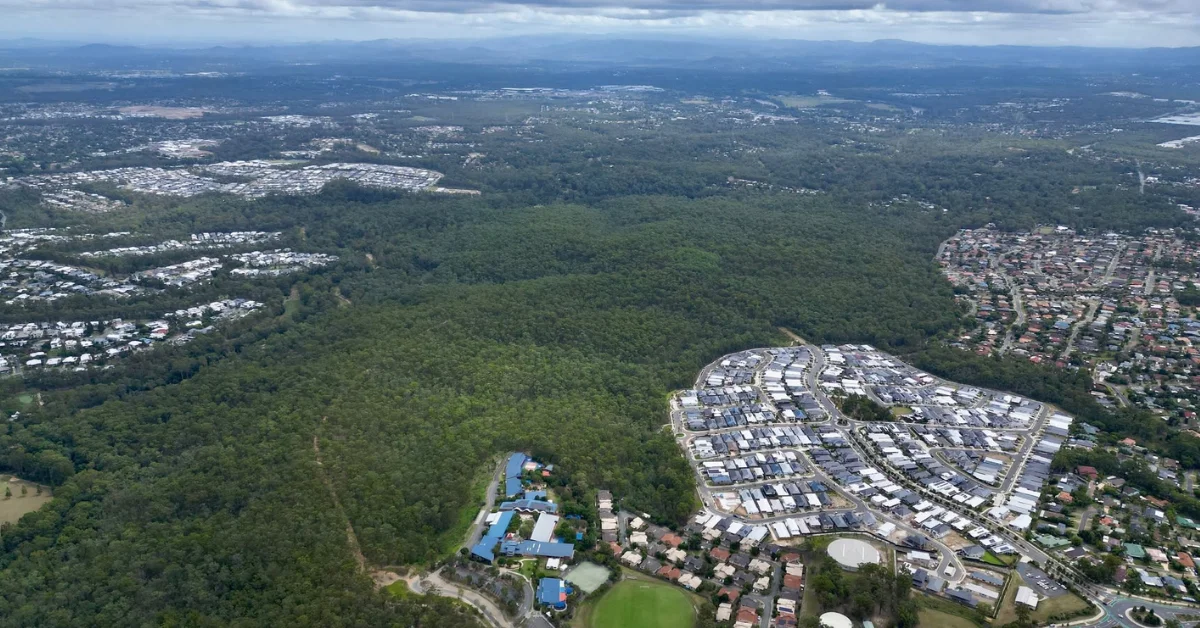
A growing campaign is urging stronger protection for Woogaroo Forest in Ipswich, with conservation groups, scientists and residents warning that the loss of the bushland could have serious consequences for koalas and other threatened wildlife.
Read: Save Woogaroo Forest Group Continues Fight to Protect Critical Habitat from Development
Supporters say the more than 450-hectare forest provides habitat for more than 1,000 species, including koalas, greater gliders, powerful owls, platypuses, echidnas and frilled-neck lizards.
The campaign focuses on four proposed developments within the forest, including a major residential proposal for more than 1,800 homes. Campaigners argued that while additional housing is needed, environmentally significant bushland should not be sacrificed.
Calls For Federal Assessment
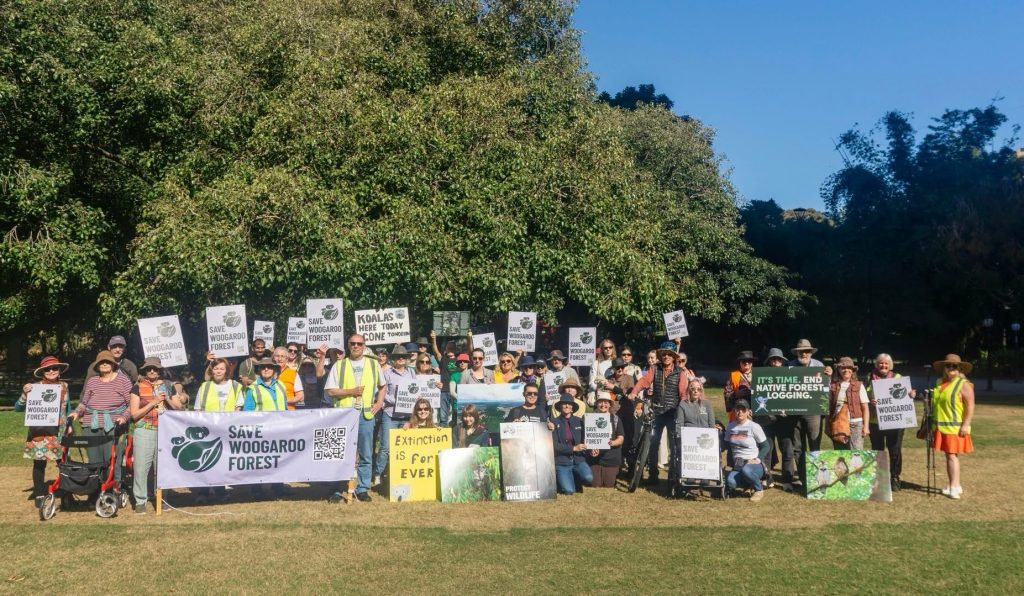
The Save Woogaroo Forest campaign is calling on Federal Environment Minister Murray Watt to reject the proposed developments following assessment under the Environment Protection and Biodiversity Conservation (EPBC) Act 1999.

According to campaign organisers, the proposals are being assessed under Development Control Plans created around 30 years ago, before the EPBC Act came into effect and before koalas were recognised as a nationally threatened species. Campaigners argued the planning instruments pre-date current federal environmental laws and the listing of koalas as a threatened species.
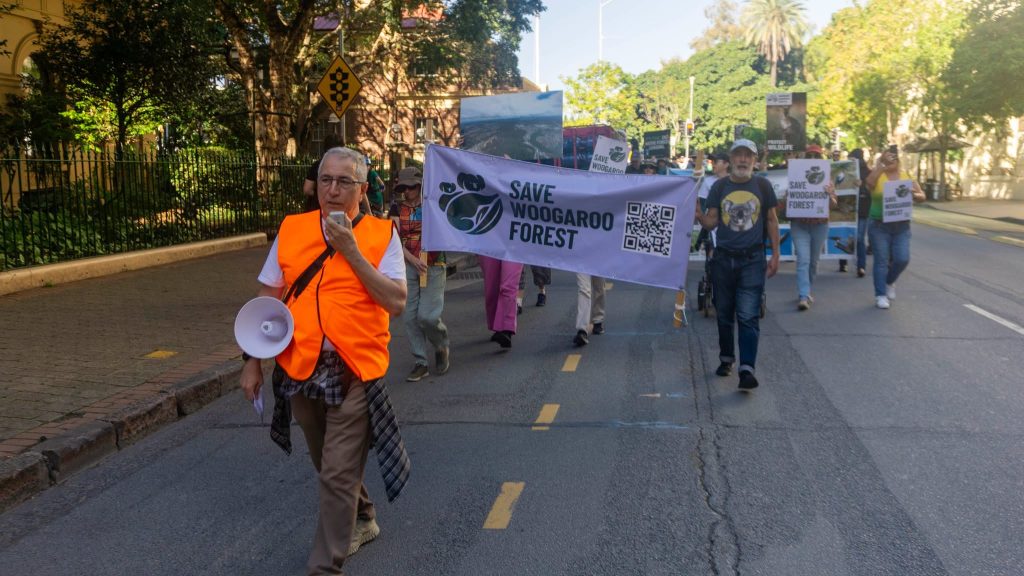
An open letter signed by more than 300 scientists, conservation experts and academics from 11 countries has been presented to the minister, urging him to protect the forest in its entirety. The campaign has also attracted a public petition with more than 20,000 signatures. Community members recently gathered at a rally before marching to Senator Watt’s office to deliver both the expert letter and the petition.
Forest Provides Critical Wildlife Corridor
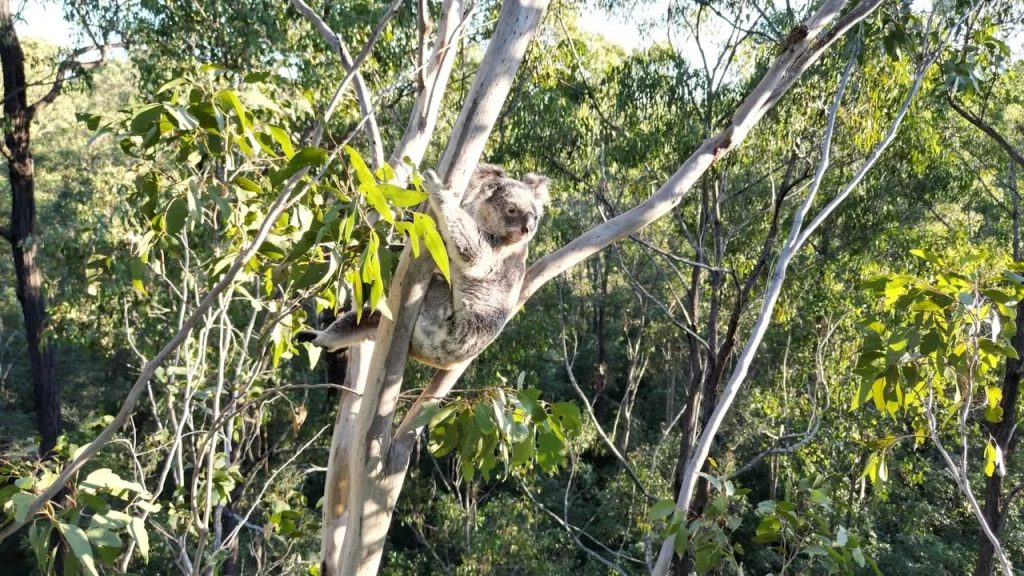
Environmental groups described Woogaroo Forest as an important ecological corridor linking remnant bushland across the region. They warned that clearing sections of the forest would further fragment koala habitat, isolate local populations and increase pressure on wildlife in the region.
The campaign noted that koalas were listed as vulnerable under national environmental laws in 2012 before being uplisted to endangered in Queensland, New South Wales and the ACT in 2022.



Supporters also pointed to broader land-clearing trends across Queensland, saying more than 300,000 hectares of woody vegetation are affected by clearing each year, placing increasing pressure on native wildlife.
Save the Koalas and Wallabies of White’s Hill recently joined supporters of the Ipswich campaign, drawing comparisons with Brisbane’s own well-known bushland reserves. In a social media post, the group encouraged residents to imagine the impact of bulldozing Toohey Forest or Whites Hill Reserve to highlight the significance of Woogaroo Forest.
The group also highlighted the importance of maintaining habitat connectivity for koalas, noting that fragmentation continues to threaten populations across South East Queensland.
Campaigners Say Habitat Cannot Easily Be Replaced
Campaign organisers acknowledged the need for more housing but argue future growth should prioritise higher-density development in suitable locations rather than clearing significant native forest. Campaign organisers also argued restoring habitat is difficult and cannot quickly replace established ecosystems.
Campaign material notes that the Queensland Koala Habitat Restoration Partnership Program restored about 180 hectares of habitat and assisted the regeneration of a further 250 hectares over five years, while Woogaroo Forest itself covers more than 450 hectares of established bushland.
Read: Will Woogaroo Forest Survive Brisbane’s Building Boom?
Supporters cited these figures to argue that mature habitat cannot easily be replaced. The campaign is encouraging residents to support its petition and expert open letter while the Commonwealth considers the development proposals.
Campaigners say the decision will be significant for the future protection of endangered species and important habitat in South East Queensland.
Published 7-July-2026