





A Springfield Lakes family is among those whose lives have been shaped by advances in the treatment of spinal muscular atrophy (SMA), a rare genetic condition that, until a decade ago when the first effective treatment was approved in the United States, carried a life expectancy of less than two years for its most severe form.
Read: Springfield Lakes Community Rallies Around Football Icon Jonathan Brown After Successful Surgery
Reena McIntosh and her three-year-old sister Willow both have SMA type 1. A framed vial of Spinraza, the drug credited with saving Reena’s life, hangs on the wall of the family’s Springfield Lakes home. Middle sister Tully, also three, does not have the condition.
What is spinal muscular atrophy?
SMA is a genetic condition caused by a mutation in the SMN1 gene, which is responsible for producing survival motor neuron (SMN) protein. This protein is critical for the motor neurons that control muscle movement. Without sufficient SMN protein, motor neurons deteriorate and muscles progressively weaken.

SMA type 1 is the most severe form of the condition. Before effective treatments became available, most children diagnosed with it did not survive beyond their second birthday.
What is Spinraza?
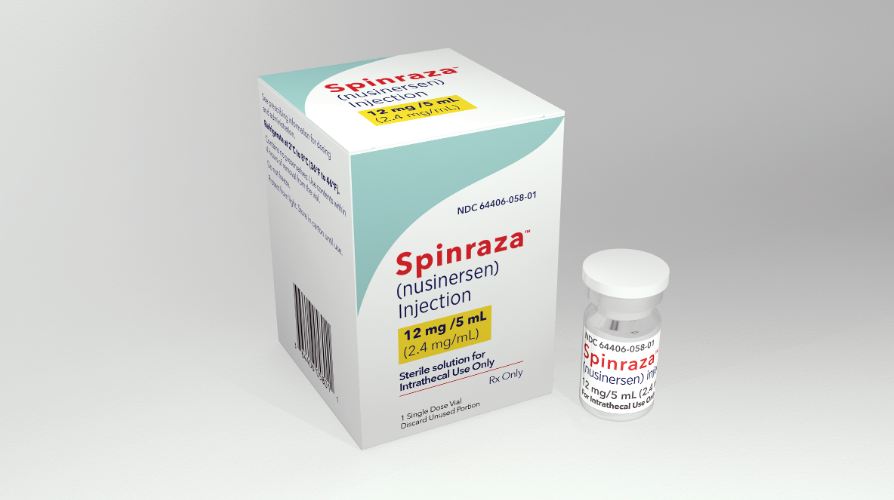
Spinraza, the brand name for nusinersen, is an antisense oligonucleotide therapy developed by Biogen. It works by increasing the production of SMN protein, which is critical for motor neuron function. It is delivered by injection into the fluid surrounding the spinal cord and carries broad label approval for patients of all ages across all SMA types.
Spinraza was the first effective treatment approved for SMA, receiving approval from the US Food and Drug Administration approximately a decade ago.



On 30 March 2026, the FDA approved a high-dose regimen of Spinraza. Biogen said the higher dose is designed to further increase SMN protein levels. Advocacy group Cure SMA welcomed the decision, describing it as an excellent result for the SMA community and noting that the new regimen has the potential to offer improved outcomes and quality of life for patients across all SMA types.
Read: St Augustine’s College in Augustine Heights Leads Regional Shift Toward Global Learning
The role of newborn screening
Spinal Muscular Atrophy Australia highlighted the McIntosh family’s experience as an example of the importance of newborn screening and early intervention, describing early intervention as having a life-changing impact on children with the condition. The organisation also noted the hope that advanced therapies bring to families facing rare diseases.
Published 9-April-2026