




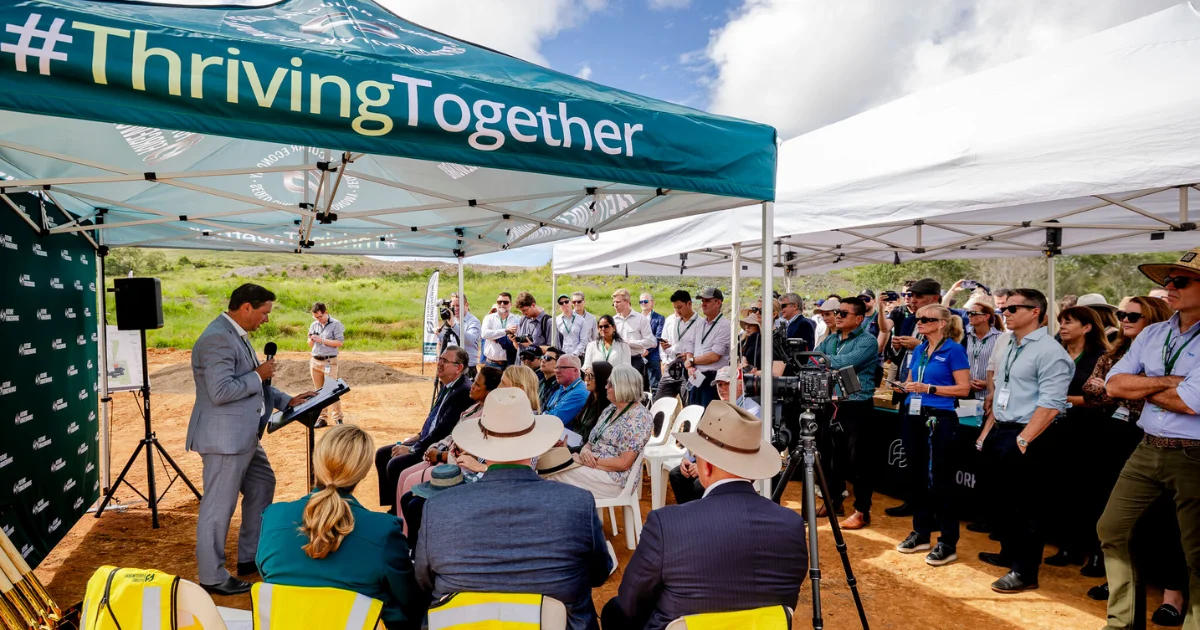
Construction has officially begun on one of Australia’s first new steel mills in more than 30 years, with the Swanbank Green Steel Mill in Ipswich representing a significant development for Queensland’s construction and manufacturing sectors.
Read: Swanbank Energy Precinct Activates One of Queensland’s Largest Batteries
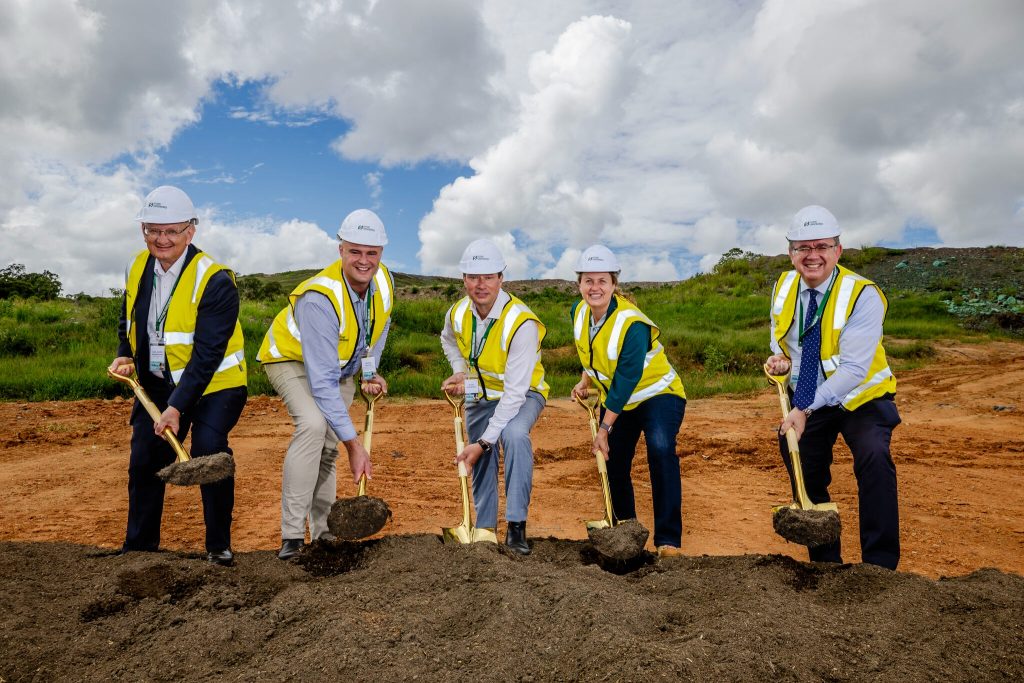
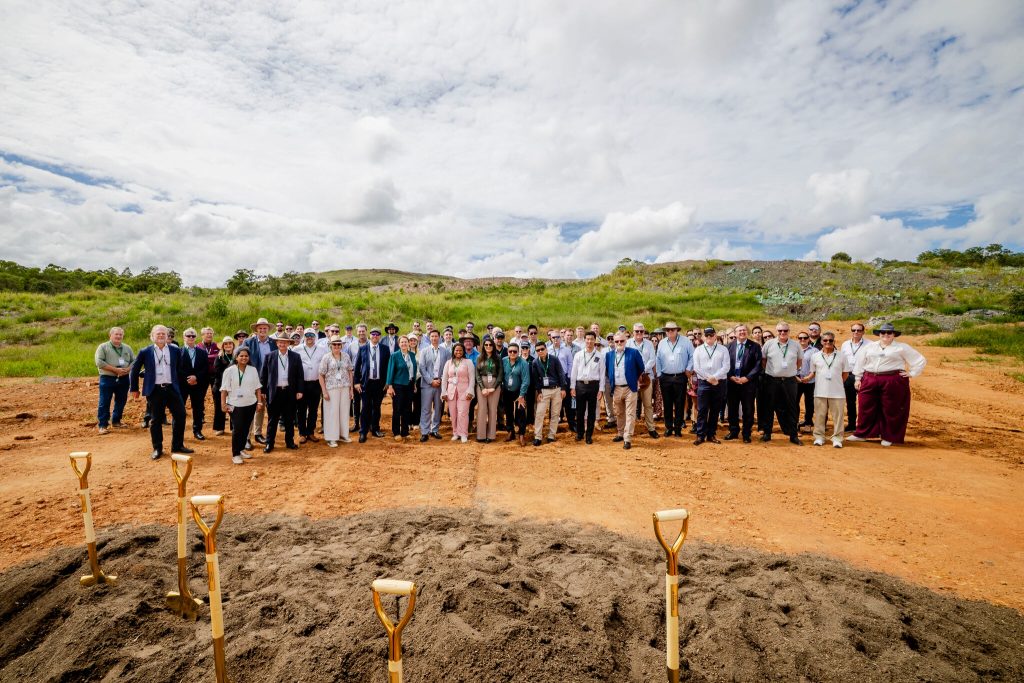
Developer Future Forgeworks held a soil-turning ceremony to mark the start of works on the Swanbank site, a fitting location with more than a century of industrial history behind it, and the milestone has been welcomed by local leaders.
The mill is designed to produce up to 350,000 tonnes of steel reinforcing bar, or rebar, per year, made from recycled scrap metal. Rebar is used to reinforce concrete in skyscrapers, bridges and major infrastructure projects.
Chief executive Rohan Richardson said the company’s ambition was to fully supply the Olympic build. With Brisbane set to host the 2032 Games, Mr Richardson said the company was hoping to capitalise on the imminent construction boom ahead of the Olympics.

Mr Richardson wants the mill operational within just over two years, ahead of the 2032 Brisbane Olympics. Beyond the Games, he said the mill could meet up to 90 per cent of Queensland’s rebar demand, dramatically reducing the state’s reliance on imported steel. He added that the goal was to provide the lowest operating cost in Australia, which he hoped would ease pressure on housing prices and industrial construction more broadly.
Cleaner steel, local jobs
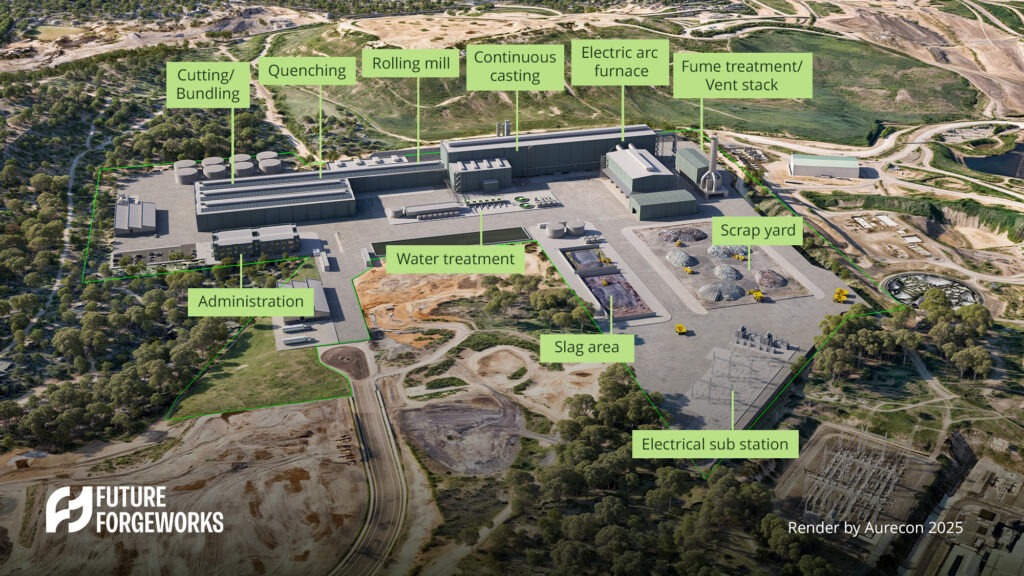
What sets Swanbank apart from traditional steelmaking isn’t just its location — it’s the technology. The mill will use an electric arc furnace, a system designed by German metals engineering firm SMS Group, which melts down scrap metal rather than processing raw ore with fossil-fuel-powered blast furnaces.
Future Forgeworks claims the production process could reduce carbon emissions by more than 70 per cent compared to conventional steelmaking. A separate estimate, citing a 30 per cent emissions reduction figure, put the environmental benefit at roughly the equivalent of removing around 160,000 vehicles from Queensland roads.
Mr Richardson noted that advances in technology over the past decade had significantly changed the production process, with much of the gas previously used in steelmaking now replaced by electricity. The mill is not expected to reach net-zero until 2040, though the ABC has reported that Swanbank is currently ahead of a suite of similar low-emissions steel mill projects awaiting approvals elsewhere in the country.



For Ipswich, the economic story is just as compelling. Future Forgeworks expects to need more than 400 workers during construction, with recruitment set to begin later this year. Once the mill is up and running, it is expected to support more than 200 permanent jobs.
Ipswich Mayor Teresa Harding said it was tremendously exciting that the mill would be built locally and create local jobs, describing it as a major win for the city. She pointed to the Swanbank precinct, already home to waste facilities and the CleanCo power station, as a natural fit for the development, noting the area had been heavily industrial for over a century. She also confirmed the development attracted no negative submissions during the council approvals process.
From old washing machines to new homes
There is something almost poetic about the supply chain Future Forgeworks is building. Old cars. Washing machines. Industrial scrap. All of it fed into an electric furnace, refined, and rolled out as the steel that will frame Queensland’s next generation of homes and Olympic venues.
Even the byproduct,a material called slag, won’t go to waste. Mr Richardson said a portion would be recycled into road base for construction projects, with the remainder handled by industrial partners on the Swanbank site.
Read: Swanbank Toasts Success as Giant Drinks Factory Commences Production
For a region that has been waiting a long time for this kind of investment, the turning of that first sod in Swanbank felt like more than a photo opportunity. It felt like the start of something.
Published 20-March-2026