




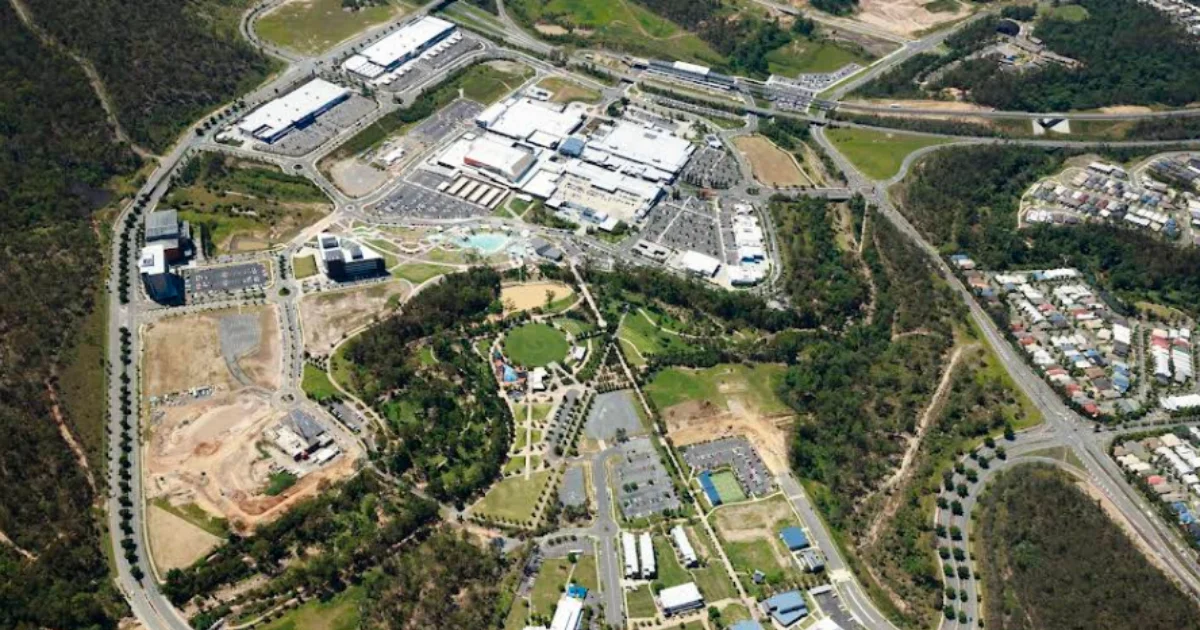
Springfield, Springfield Central, Springfield Lakes, and Spring Mountain are among the key growth areas as Ipswich City officially recorded 270,624 residents as of 1 January 2026.
Read: Springfield Parkway Upgrade Stage 2 Moves Closer as Long-Term Road Expansion Continues
According to data released on 2 February, Ipswich City has experienced remarkable growth over recent years, adding close to 10,000 people in the past 12 months alone. Over a four-year period, the population has swelled by approximately 30,000 residents.
Springfield, Springfield Central, Springfield Lakes, and Spring Mountain have emerged as key drivers of this expansion. The broader Springfield area has welcomed over 5,000 new residents since January 2022, growing from 33,333 people to 38,415. The precinct now accommodates more than 12,000 dwellings across its master-planned estates.

Meanwhile, the Ripley and South Ripley corridor has experienced even more dramatic growth, with the population nearly doubling from just over 10,000 residents to more than 19,000 during the same timeframe.

The rate of population increase has been accelerating, with annual growth jumping from around 8,000-9,000 people to nearly 10,000 in the most recent year. People are relocating to Ipswich from across Queensland, Australia, and internationally, with 300 new migrants becoming citizens in the past year.
Spring Mountain, Springfield Lakes, Ripley, South Ripley, White Rock, Deebing Heights, and Redbank Plains continue to be the fastest-growing suburbs in the region. Total dwellings citywide have reached 98,313, edging close to six figures.
While the population growth has brought new residents to the area, it has also placed pressure on existing infrastructure. The need for improved roads, expanded public transport options, and additional community facilities has become increasingly apparent.
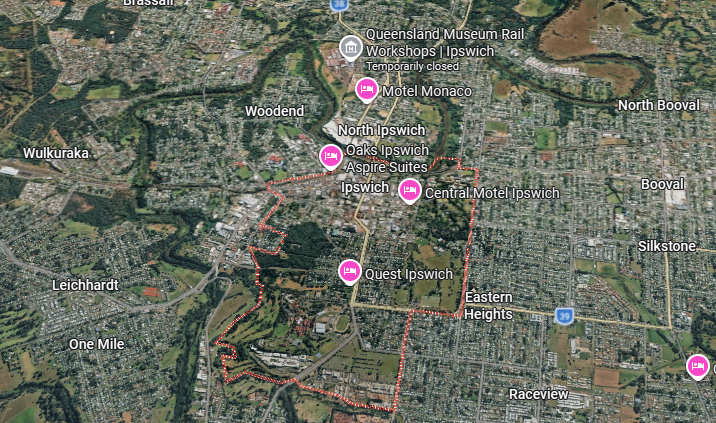
Looking ahead, projections indicate Ipswich will reach 530,000 residents within two decades, necessitating an additional 100,000 homes. This growth trajectory underscores the urgent need for improved transport links, particularly enhancements to the Cunningham and Centenary highways and a dedicated public transport corridor connecting Springfield Central with Ipswich Central.



Data from the October to December 2025 quarter shows the city approved 877 new dwellings and created 725 new lots during that period. A total of 433 development applications were processed, while more than six kilometres each of new pathways and local roads were added to accommodate the growing population.
For residents of Springfield Lakes and neighbouring communities, the statistics reflect what they see daily: construction cranes dotting the skyline, new schools opening their doors, and shopping centres expanding to meet demand.
The challenge now lies in ensuring that essential infrastructure keeps pace with the residential boom. Transport capacity, particularly road networks and public transport frequency, will need to expand significantly to accommodate the growing population.
Read: More Springfield Lakes Roofs are Storing Solar and Saving Power
As Springfield Lakes and its neighbouring suburbs continue their remarkable growth trajectory, they represent both the potential and the pressures of rapid urban development in modern Australia. The coming years will prove critical in determining whether infrastructure investment can match the pace of population growth, ensuring the region’s transformation remains sustainable for current and future residents alike.
Published 5-February-2026