




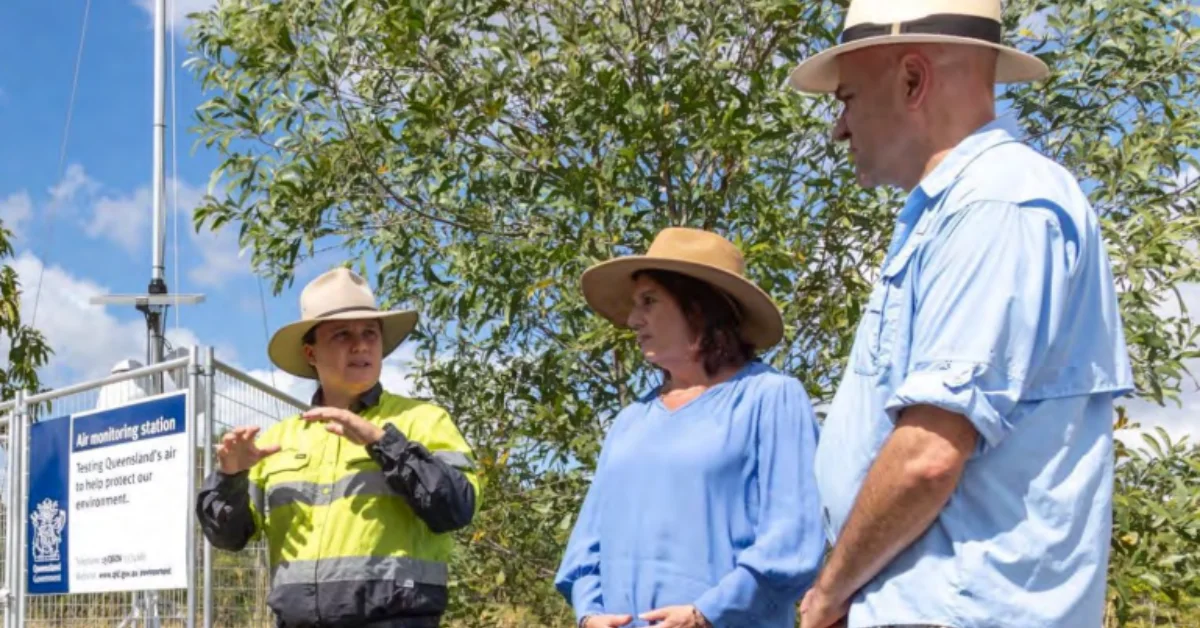
A public health inquiry has found that odours from industrial facilities in Swanbank are highly offensive and continue to affect the health and wellbeing of nearby residents.
Long-Standing Concerns Surrounding Swanbank
Residents living near Swanbank and New Chum have reported strong odours for more than a decade. Complaints increased after the 2022 floods, when the smell intensified and became more frequent.
The concerns led to a six-month Public Health Inquiry launched in January 2025, following sustained calls from locals for an investigation into ongoing health issues.
Over the years, households have reported symptoms linked to the odours, including headaches, skin irritations, rashes, nausea, respiratory discomfort and sleep disruption.

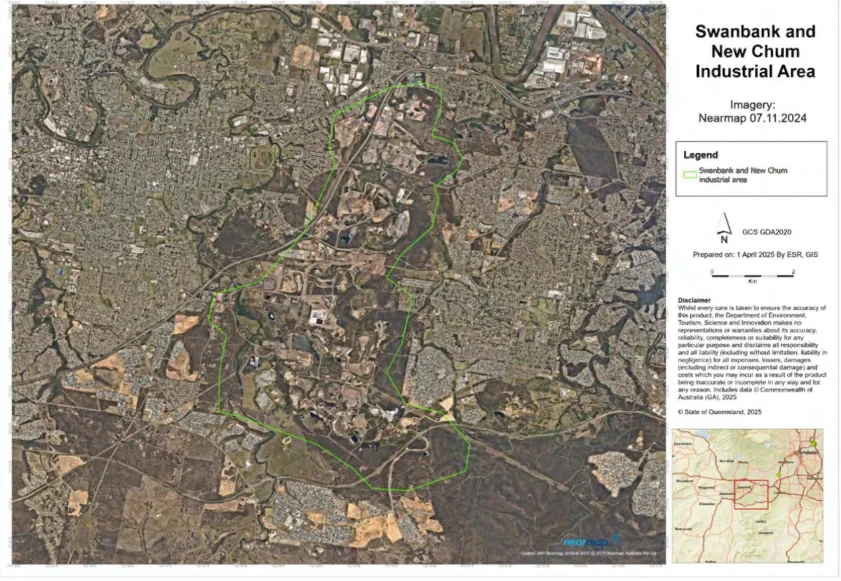
The inquiry examined operations across the Swanbank and New Chum industrial estates, which include landfill activities, composting operations, fertiliser production sites, asphalt plants and resource recovery facilities. Earlier regulatory action included a $600,000 fine issued in November 2024 for odour nuisance offences connected to extreme rainfall in 2022.
Findings Point to Significant Health Impacts
The inquiry, led by former Queensland Chief Health Officer Dr John Gerrard, assessed community reports and reviewed health data linked to odour exposure. Its findings confirmed that the odours are highly offensive and are contributing to a range of symptoms affecting residents’ daily lives.
The report found no evidence of increased cancer risk among exposed populations, but noted that odours can affect health even when chemical levels are not toxic. The most frequently reported symptoms involved respiratory, neurological, skin, gastrointestinal and mental health effects, aligning with what is known in medical literature about strong odour exposure.
Composting activities were identified as a major source of odours. The inquiry recommended long-term solutions aimed at reducing emissions, such as relocating composting operations or enclosing facilities permanently. It also advised restricting future residential development from expanding into buffer zones near industrial areas.



Options Considered for Odour Reduction
The inquiry assessed alternatives for reducing odour impacts, concluding that relocation or fully enclosed composting infrastructure would provide the most sustainable relief. Other possible measures included adjustments to environmental authority conditions for operators in areas close to residential communities.
Residents Respond to Inquiry Outcomes
Ipswich residents, including those in Swanbank and surrounding suburbs, have described the findings as validation of what they have experienced for years.
Many reported that the odours affected their ability to spend time outdoors, open windows or invite visitors into their homes. Some residents described developing new health problems after moving into the affected areas, noting ongoing challenges in managing their symptoms.
Long-term advocates for reform said the release of the findings marked an important step in acknowledging the scale of the issue and ensuring the concerns of residents were recognised.

Next Steps for Swanbank and New Chum
The inquiry’s report, released in November 2025, included eight recommendations, all of which have been accepted. A dedicated Swanbank health hotline is being established to offer guidance to affected residents. Upcoming meetings between residents and officials will outline how recommendations will be implemented.
The next phase will focus on reducing odour impacts and guiding future planning decisions around industrial areas in Swanbank and New Chum.
Published 20-Nov-2025