




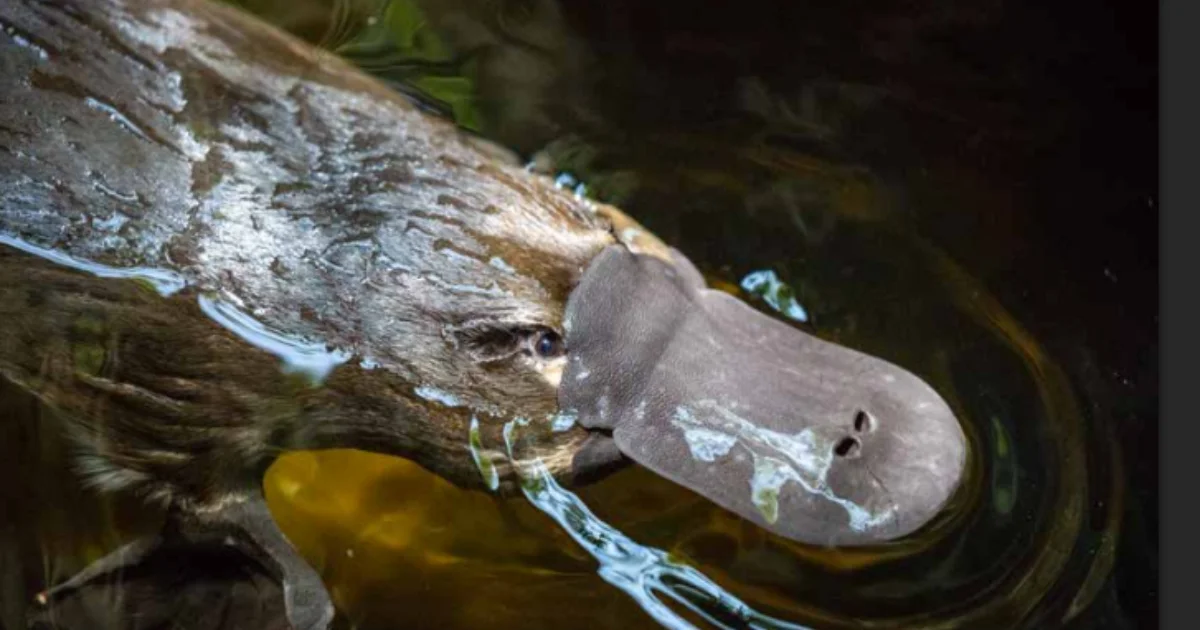
Did you know that the platypus, one of Australia’s most elusive native animals, may not have disappeared from Ipswich’s creeks after all? Recent findings suggest the species is surviving in parts of the city despite serious challenges following the 2022 floods.
Read: Ipswich Waterways Targeted for Platypus Monitoring and Creek Restoration
Environmental DNA (eDNA) sampling, a method that detects traces of an animal’s genetic material in water, is being used to monitor platypus activity.
Ipswich City Council has employed this technique for years, and now the program has grown into a larger regional project covering more than 200 sites across South East Queensland. The Resilient Rivers SEQ initiative, backed by federal, state and local agencies, is rolling out coordinated monitoring in Ipswich, Brisbane, Logan and Moreton Bay.
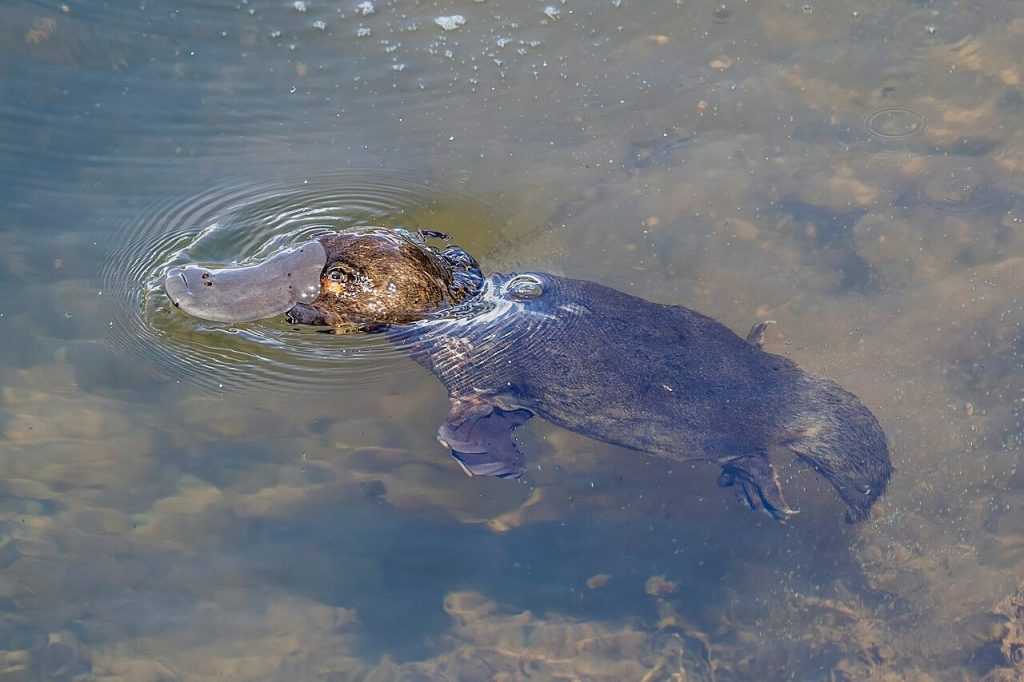

In 2022, just months after severe flooding, council undertook eDNA surveys at 22 known platypus sites across Ipswich. That first round recorded only a single tentative positive detection in Wacol. A follow-up survey in December yielded similarly low results, highlighting the species’ fragile status in local waterways.
More recent sampling, however, has raised hopes. This year’s eDNA checks detected platypus traces in several spots on Bundamba, Six Mile and Sandy creeks. In total, 13 sites returned positive readings — a marked improvement compared with 2022.
Still, some traditional strongholds remain problematic. Woogaroo Creek and Opossum Creek recorded only one positive eDNA result across 13 sampling locations. Scientists say it remains uncertain how much of the decline is directly due to the floods, or whether platypuses are slowly returning. While the animals are known to cope with natural events such as floods and drought, researchers warn that repeated habitat damage, degraded water quality and pressures from land use may be limiting recovery.
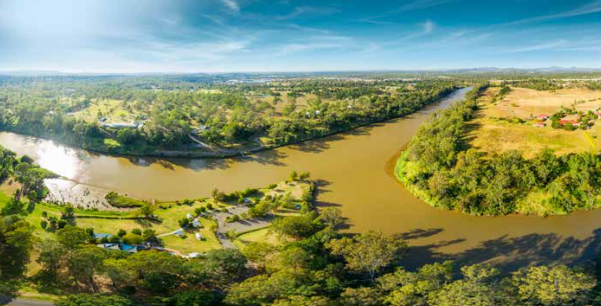



Ipswich City Council continues to play a leading role as the regional research program expands. The city’s platypus recovery plan identifies key waterways for monitoring — including Sandy Creek, Woogaroo Creek, Opossum Creek, Six Mile Creek and Bundamba Creek. Regular eDNA sampling remains central to tracking the species’ presence and guiding habitat restoration.
The broader regional study is expected to inform long-term conservation work, helping councils to protect and rehabilitate key waterways that support platypus populations and other native aquatic species.
Read: Efforts to Save Platypus Habitat Ramp-Up in Greater Springfield
For residents of Springfield Lakes, these findings are a reminder that local creeks are more than just scenic — they are part of a living ecosystem. Healthy riparian vegetation, stable creek banks and clean water are vital not just for the platypus, but for the future of all our waterways. Somewhere beneath the surface, these remarkable animals may still be hanging on.
Published 18-November-2025